
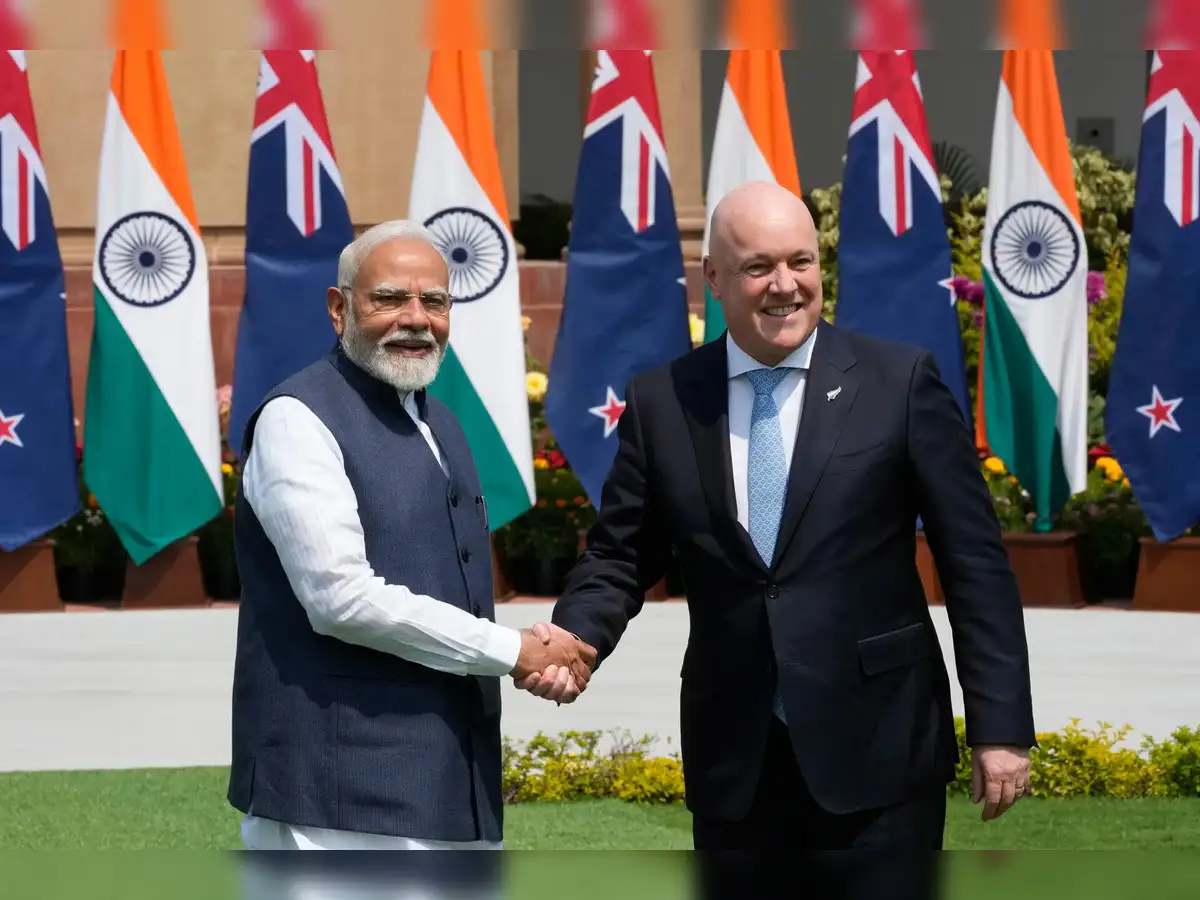
India Signs Free Trade Agreement with New Zealand: Third Major FTA in 2025
India has successfully concluded its third Free Trade Agreement (FTA) in 2025, this time with New Zealand, marking another significant milestone in the country’s global trade expansion strategy. The agreement strengthens bilateral economic ties and opens new opportunities for exporters, investors, professionals, and businesses in both nations.
This FTA comes after India’s recent trade pacts with the United Kingdom and Oman, highlighting India’s aggressive push toward deeper global economic integration.
What Is the India–New Zealand Free Trade Agreement?
The India–New Zealand Free Trade Agreement aims to reduce or eliminate tariffs, improve market access, boost investments, and enhance cooperation across goods, services, and skilled mobility.
Under this agreement:
New Zealand will offer duty-free access to 100% of Indian exports
India will reduce tariffs on nearly 70% of tariff lines, covering around 95% of New Zealand’s trade value
Both countries aim to double bilateral trade within the next five years
New Zealand has proposed long-term investments worth nearly $20 billion in India
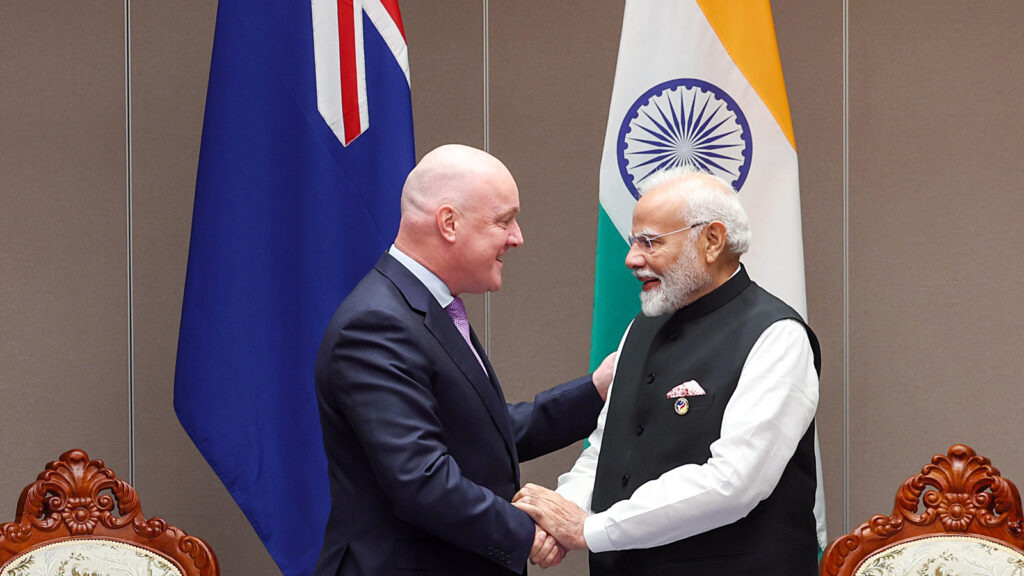
Key Benefits for India
- Boost to Indian Exports
Indian exporters are expected to gain significant advantages across multiple key sectors following the implementation of the India–New Zealand Free Trade Agreement. Textiles and apparel manufacturers will benefit from reduced or zero import duties, making Indian garments more competitive in the New Zealand market and opening doors for higher export volumes. The leather and footwear industry, which is a major employment generator in India, will also see improved market access, encouraging greater demand for Indian-made shoes, bags, and accessories.
The agreement is particularly beneficial for the gems and jewellery sector, as tariff reductions will help Indian exporters strengthen their presence in premium and high-value markets. Engineering goods, including machinery, auto components, and industrial equipment, are expected to witness increased demand due to easier entry and lower trade barriers. Exporters of marine products, such as frozen fish and seafood, will gain from faster customs clearance and improved price competitiveness.
Additionally, the pharmaceuticals and chemicals sector stands to benefit significantly, as India’s reputation for high-quality and affordable medicines aligns well with New Zealand’s healthcare needs. Overall, these sectoral advantages will enhance India’s export growth, boost foreign exchange earnings, and strengthen the country’s position in global trade. - Growth in Services and Professional Mobility
The Free Trade Agreement also places strong emphasis on the services sector, creating new growth opportunities for skilled professionals and service providers from India. IT and software services companies are expected to benefit from improved market access, enabling Indian tech firms, startups, and digital service providers to expand their operations and client base in New Zealand. Similarly, engineering and technical services, including consultancy, infrastructure planning, and industrial design, will gain from smoother regulatory processes and enhanced cross-border cooperation.
The agreement is especially significant for healthcare professionals, as it opens pathways for Indian doctors, nurses, and allied health workers to meet New Zealand’s growing demand for skilled medical talent. Education and training providers will also benefit, with increased collaboration between Indian institutions and New Zealand universities, vocational centers, and skill-development programs.
Importantly, the FTA includes special provisions for temporary work visas and professional mobility, making it easier for skilled Indian professionals and students to work, train, or gain international exposure in New Zealand. These measures will strengthen people-to-people ties, support knowledge exchange, and position India as a key global talent hub, while helping New Zealand address skill shortages in critical sectors. - Protection for Sensitive Sectors
India has taken a cautious and strategic approach by safeguarding its sensitive agricultural and dairy sectors under the Free Trade Agreement. Key dairy products such as milk, butter, cheese, and other related items have been kept outside the scope of tariff concessions. This decision ensures that Indian farmers, small dairy producers, and domestic cooperatives are protected from sudden import competition that could impact prices and livelihoods.
By excluding these sensitive products, India has maintained stability in its rural economy while still pursuing broader trade liberalization. This balanced approach allows the country to promote exports, attract investment, and strengthen global trade partnerships without compromising the interests of millions of people dependent on agriculture and dairy farming. As a result, the agreement supports sustainable economic growth while preserving food security and protecting local industries.
Why This FTA Is Strategically Important for India
The India–New Zealand FTA aligns with India’s long-term vision of becoming a global manufacturing and export hub. It supports key national initiatives such as:
Make in India
Atmanirbhar Bharat
Viksit Bharat 2047
By signing three FTAs in a single year, India has sent a strong message that it is open for business, investment, and global partnerships.
Impact on Bilateral Trade Relations
Currently, trade between India and New Zealand remains underutilized despite strong diplomatic relations. This agreement is expected to:
Increase two-way trade volume
Strengthen supply chains
Encourage joint ventures and startups
Enhance cooperation in renewable energy, education, and innovation
Conclusion
The India–New Zealand Free Trade Agreement is more than just a trade deal — it is a strategic partnership that will deliver long-term economic benefits. It opens doors for Indian exporters, attracts foreign investment, supports skilled professionals, and reinforces India’s growing role in the global economy.
As India continues to expand its FTA network, agreements like this will play a crucial role in shaping the country’s trade-driven growth story.