
Lula wins fourth term in dramatic Brazil election comeback give me 300 words and focuskeywords
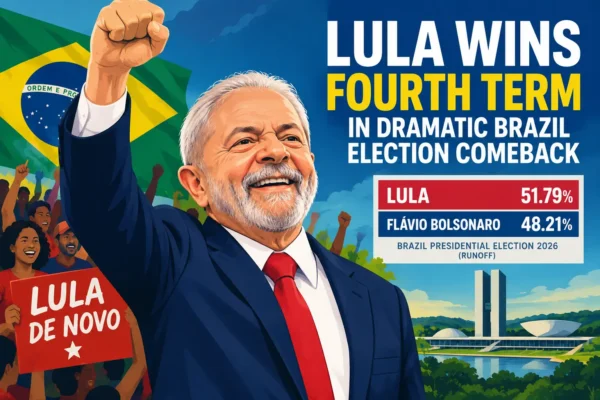
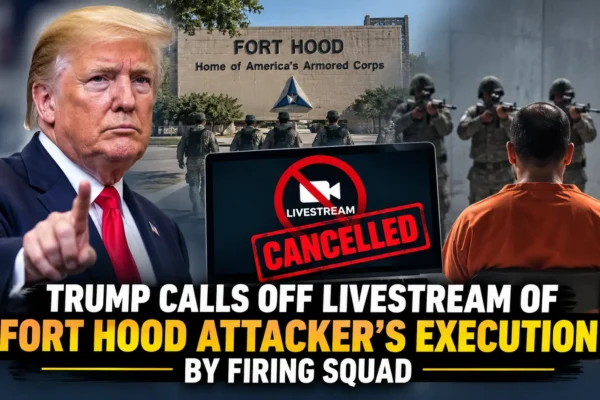
Brazilian President Luiz Inácio Lula da Silva has secured a historic fourth presidential term, marking a significant moment in the country’s political landscape. His election comeback highlights the deep political divisions in Brazil and the continuing influence of one of Latin America’s most prominent political figures. Lula, a veteran left-wing politician, has built his political career around reducing poverty, expanding social welfare programmes and improving opportunities for working-class Brazilians. His return to the presidency reflects the support he has maintained among many lower-income voters and those who favour stronger government action on inequality. During his political career, Lula has promoted policies aimed at improving access to education, healthcare and employment. His supporters view these initiatives as essential to addressing Brazil’s long-standing economic and social challenges. However, critics have raised concerns about government spending, economic management and corruption controversies associated with Brazil’s political establishment. The election campaign also underscored the ideological divide between left-wing and right-wing voters. Issues such as inflation, public security, economic growth, environmental protection and social welfare remained central to political debate. Lula’s new term will bring significant challenges. Brazil must balance economic development with fiscal responsibility while addressing poverty, crime and unequal access to public services. Protecting the Amazon rainforest and strengthening Brazil’s international relationships are also likely to remain important issues for the government. Internationally, Brazil plays a key role in discussions on climate change, global trade and cooperation among developing economies. Lula’s leadership could influence the country’s approach to these issues, depending on the policies his administration pursues. His election comeback represents another major chapter in Brazil’s modern political history. The coming years will test the government’s ability to translate campaign promises into practical results while responding to the expectations of voters across the political spectrum. The result was confirmed on 25 October 2026, with Lula receiving 51.79% of valid votes against 48.21% for Flávio Bolsonaro, according to Brazil’s electoral authorities. Lula’s victory followed a first round in which Bolsonaro had finished ahead, making the result an unprecedented comeback in Brazil’s presidential runoff history.
Brazilians choosing between Lula and Bolsonaro’s son in presidential election run-off
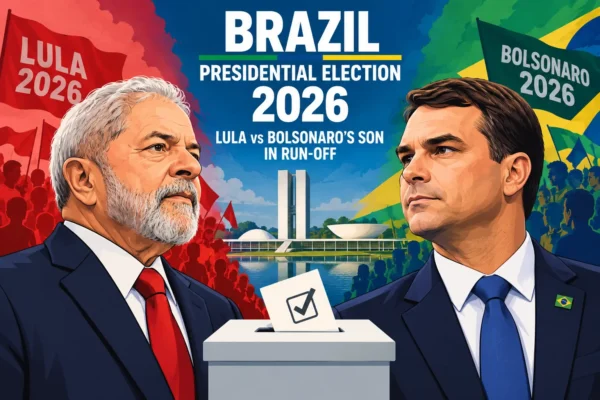
Brazil’s political landscape is facing another major test as voters weigh a potential presidential run-off between left-wing President Luiz Inácio Lula da Silva and a candidate from the family of former far-right president Jair Bolsonaro. The contest reflects deep political divisions in Latin America’s largest country, where economic concerns, social policies and the future direction of democracy remain central issues. Lula, a veteran politician who previously served as president from 2003 to 2010, has built his political identity around reducing poverty, expanding social welfare programmes and protecting workers’ rights. His supporters credit his government with prioritising vulnerable communities and strengthening Brazil’s international role. However, critics question his economic policies, government spending and ability to address persistent concerns about crime and public services. On the other side, the prospect of Bolsonaro’s son entering the presidential race represents an effort to maintain the political influence of Brazil’s conservative movement. The Bolsonaro family has a substantial following among many right-wing voters, particularly those who support traditional values, tougher security policies and a more conservative approach to government. A run-off between Lula and Bolsonaro’s son would likely turn the election into a direct confrontation between competing visions for Brazil’s future. The campaign could focus on inflation, employment, taxation, public safety, environmental protection and the country’s position in international affairs. Brazil’s large electorate makes the outcome significant beyond its borders. As a major agricultural producer and one of the world’s largest economies, Brazil plays an important role in global food markets, climate negotiations and relations with major powers. The election could also influence the future of the Amazon rainforest, with environmental protection and economic development likely to remain important subjects during the campaign. For voters, the decision would involve more than choosing between two political figures. It would represent a choice between contrasting economic priorities, social policies and political ideologies. As the campaign develops, candidates will face pressure to convince undecided voters that their plans can improve living standards, strengthen public institutions and address the country’s long-standing challenges. The final result could shape Brazil’s domestic policies and international relationships for years to come.
Lula wins fourth term in dramatic Brazil election comeback give me 300 words and focuskeywords
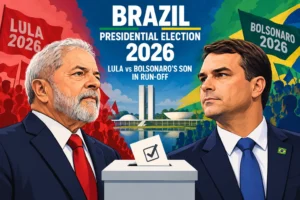
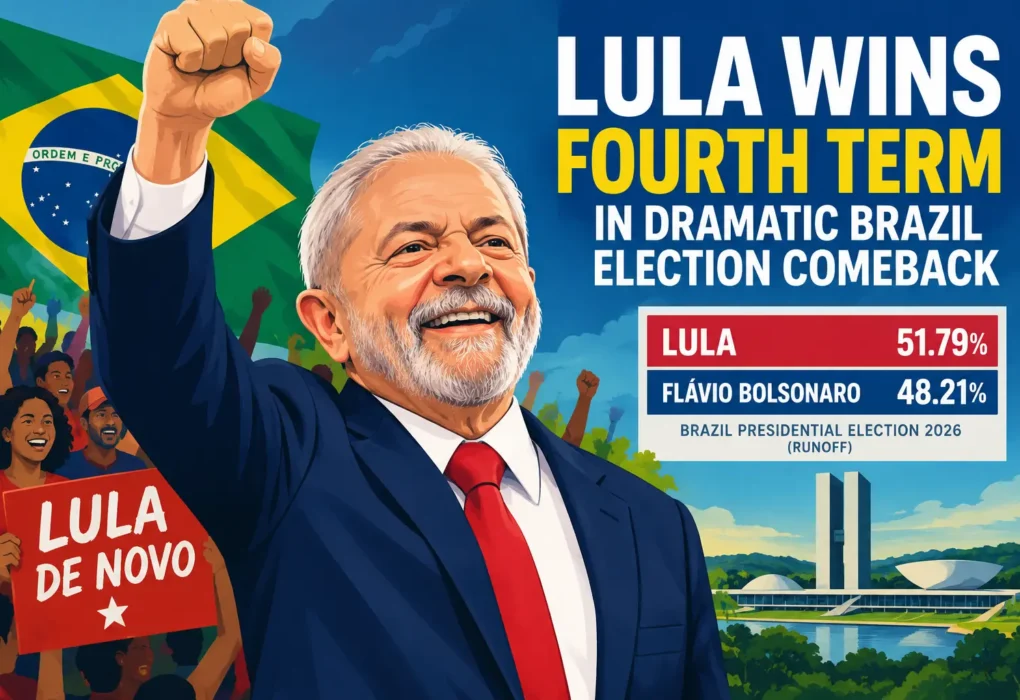
Brazilian President Luiz Inácio Lula da Silva has secured a historic fourth presidential term, marking a significant moment in the country’s political landscape. His election comeback highlights the deep political divisions in Brazil and the continuing influence of one of Latin America’s most prominent political figures. Lula, a veteran left-wing politician, has built his political career around reducing poverty, expanding social welfare programmes and improving opportunities for working-class Brazilians. His return to the presidency reflects the support he has maintained among many lower-income voters and those who favour stronger government action on inequality. During his political career, Lula has promoted policies aimed at improving access to education, healthcare and employment. His supporters view these initiatives as essential to addressing Brazil’s long-standing economic and social challenges. However, critics have raised concerns about government spending, economic management and corruption controversies associated with Brazil’s political establishment. The election campaign also underscored the ideological divide between left-wing and right-wing voters. Issues such as inflation, public security, economic growth, environmental protection and social welfare remained central to political debate. Lula’s new term will bring significant challenges. Brazil must balance economic development with fiscal responsibility while addressing poverty, crime and unequal access to public services. Protecting the Amazon rainforest and strengthening Brazil’s international relationships are also likely to remain important issues for the government. Internationally, Brazil plays a key role in discussions on climate change, global trade and cooperation among developing economies. Lula’s leadership could influence the country’s approach to these issues, depending on the policies his administration pursues. His election comeback represents another major chapter in Brazil’s modern political history. The coming years will test the government’s ability to translate campaign promises into practical results while responding to the expectations of voters across the political spectrum. The result was confirmed on 25 October 2026, with Lula receiving 51.79% of valid votes against 48.21% for Flávio Bolsonaro, according to Brazil’s electoral authorities. Lula’s victory followed a first round in which Bolsonaro had finished ahead, making the result an unprecedented comeback in Brazil’s presidential runoff history.
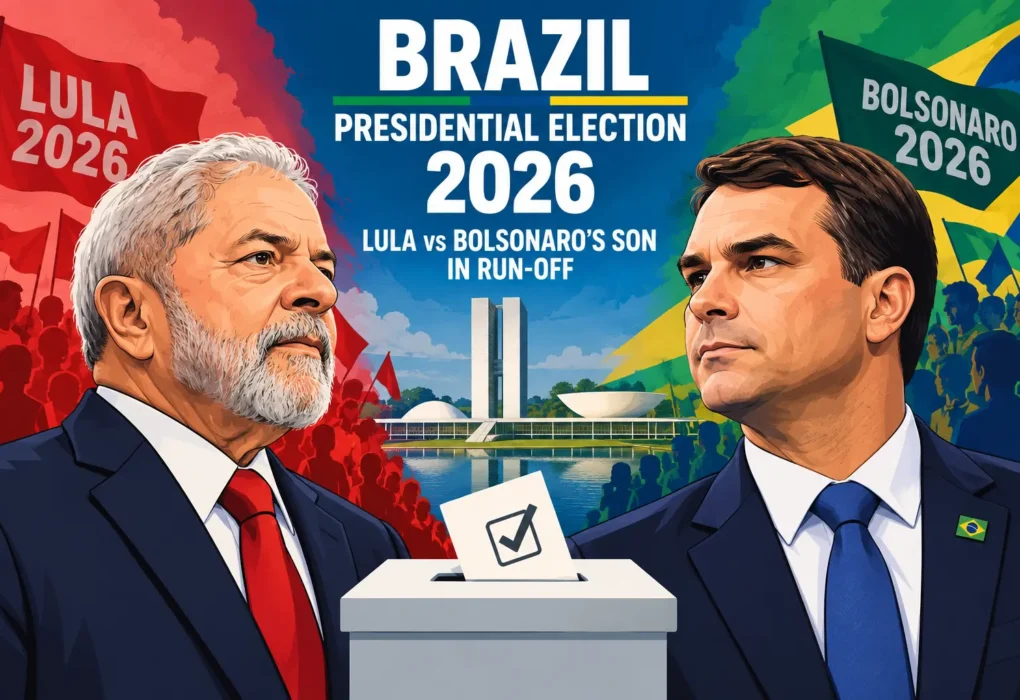
Brazilians choosing between Lula and Bolsonaro’s son in presidential election run-off
Brazil’s political landscape is facing another major test as voters weigh a potential presidential run-off between left-wing President Luiz Inácio Lula da Silva and a candidate from the family of former far-right president Jair Bolsonaro. The contest reflects deep political divisions in Latin America’s largest country, where economic concerns, social policies and the future direction of democracy remain central issues. Lula, a veteran politician who previously served as president from 2003 to 2010, has built his political identity around reducing poverty, expanding social welfare programmes and protecting workers’ rights. His supporters credit his government with prioritising vulnerable communities and strengthening Brazil’s international role. However, critics question his economic policies, government spending and ability to address persistent concerns about crime and public services. On the other side, the prospect of Bolsonaro’s son entering the presidential race represents an effort to maintain the political influence of Brazil’s conservative movement. The Bolsonaro family has a substantial following among many right-wing voters, particularly those who support traditional values, tougher security policies and a more conservative approach to government. A run-off between Lula and Bolsonaro’s son would likely turn the election into a direct confrontation between competing visions for Brazil’s future. The campaign could focus on inflation, employment, taxation, public safety, environmental protection and the country’s position in international affairs. Brazil’s large electorate makes the outcome significant beyond its borders. As a major agricultural producer and one of the world’s largest economies, Brazil plays an important role in global food markets, climate negotiations and relations with major powers. The election could also influence the future of the Amazon rainforest, with environmental protection and economic development likely to remain important subjects during the campaign. For voters, the decision would involve more than choosing between two political figures. It would represent a choice between contrasting economic priorities, social policies and political ideologies. As the campaign develops, candidates will face pressure to convince undecided voters that their plans can improve living standards, strengthen public institutions and address the country’s long-standing challenges. The final result could shape Brazil’s domestic policies and international relationships for years to come.
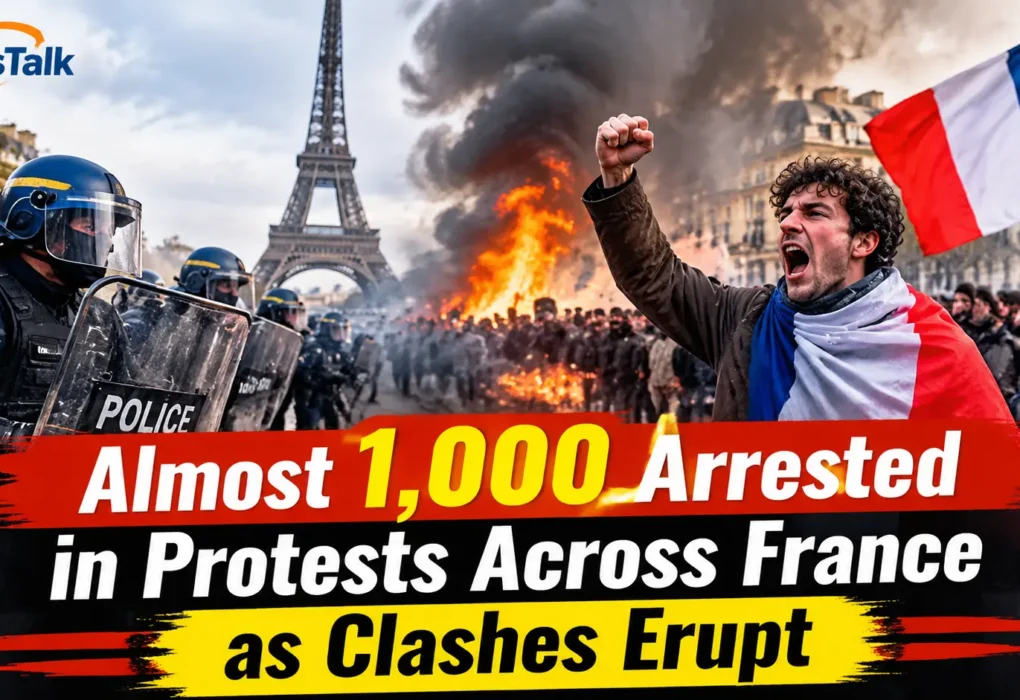
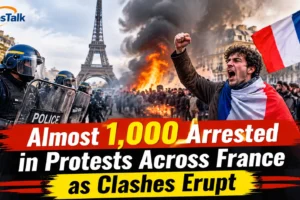
Almost 1,000 arrested in protests across France, minister says, as clashes erupt
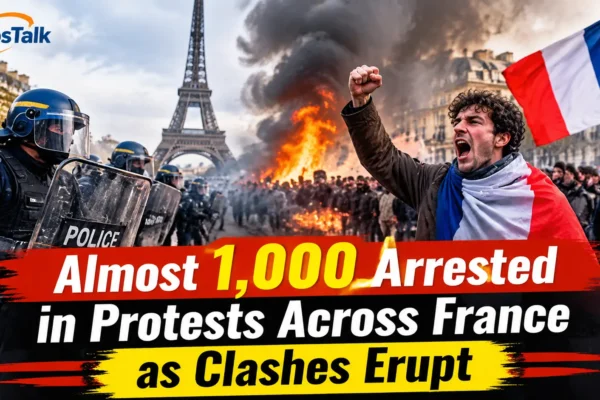
France has witnessed widespread protests and clashes, with nearly 1,000 people arrested, according to the country’s interior minister. The unrest has raised concerns about public safety, police operations and the growing tensions surrounding demonstrations across the country. The protests have brought demonstrators and security forces into confrontation in several locations. As clashes erupted, police worked to control crowds, restore order and prevent further violence. Arrests were made as authorities responded to incidents linked to the demonstrations. Large-scale protests in France have frequently reflected public dissatisfaction with government decisions, economic pressures and wider political concerns. However, the specific reasons behind the latest demonstrations must be considered in the context of the events and demands reported by authorities and demonstrators. The demonstrations have also highlighted concerns about the rising cost of living, inequality and the condition of public services, including schools. Students, teachers, trade unions and other groups have joined protests over these issues, turning the movement into a broader expression of public frustration In Paris, police deployed tear gas and water cannons in efforts to disperse crowds and contain confrontations. Security measures were strengthened in several areas as authorities sought to prevent further damage to shops, public buildings and other property. The Independent The unrest presents a challenge for President Emmanuel Macron’s government, which faces pressure to address public concerns while maintaining law and order. Authorities have stressed that peaceful demonstrations are permitted, but violence, arson and looting will not be tolerated. As protests continue, attention is focused on whether the government can reduce tensions through dialogue and practical measures addressing demonstrators’ concerns. The coming days will be important in determining whether the situation stabilises or further confrontations occur.
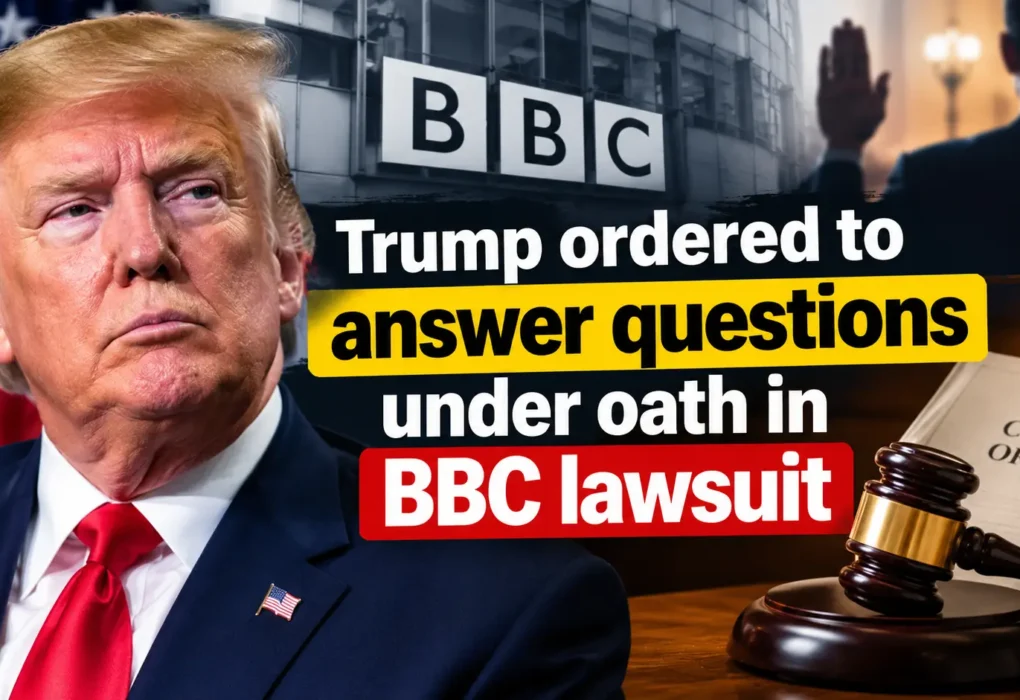
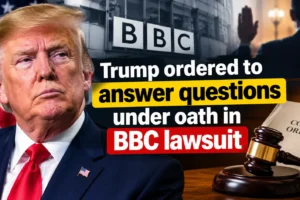
Trump ordered to answer questions under oath in BBC lawsuit
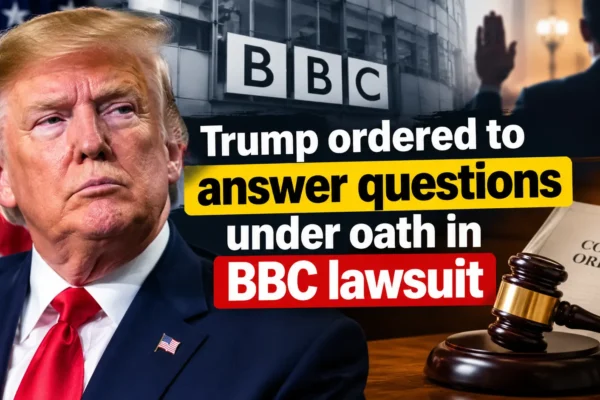
U.S. President Donald Trump has reportedly been ordered to answer questions under oath in a legal dispute involving the BBC, bringing renewed attention to the ongoing tensions between the president and the international broadcaster. The case raises important questions about media responsibility, political reporting, and the legal consequences of statements made about public figures. The central issue in the lawsuit concerns allegations surrounding the BBC’s reporting and whether the broadcaster’s coverage caused harm to Trump’s reputation. Legal disputes involving public figures and major media organizations often focus on whether published material was accurate, whether it created a misleading impression, and whether the necessary legal standards for defamation have been met. A requirement to answer questions under oath means that a person must provide testimony under a formal legal process. Such testimony can help lawyers establish relevant facts, clarify disputed statements, and examine the circumstances surrounding the publication of the material at the centre of a case. According to reports published on October 22, 2026, a federal judge in Florida ordered Trump to attend a deposition by December 11. The judge also warned that failure to comply could lead to sanctions, potentially including dismissal of his lawsuit The lawsuit seeks at least $10 billion in damages. Trump argues that the BBC’s editing of his January 6, 2021, speech falsely suggested that he directly encouraged supporters to engage in violence before the attack on the U.S. Capitol. The edited footage appeared in a Panorama documentary ahead of the 2024 presidential election. The BBC has apologised for the misleading edit but denies that it is legally responsible for defamation. The controversy also triggered a major internal crisis at the broadcaster, including the resignations of senior figures. Trump’s testimony could become an important part of the legal proceedings, allowing BBC lawyers to question him about his allegations and the damages he claims to have suffered. The case remains unresolved, and the court’s order does not determine whether either side will ultimately win. The dispute highlights the complex relationship between political leaders, media organizations, and defamation law. Its outcome could have implications for how broadcasters edit and present political speeches, particularly during election campaigns.
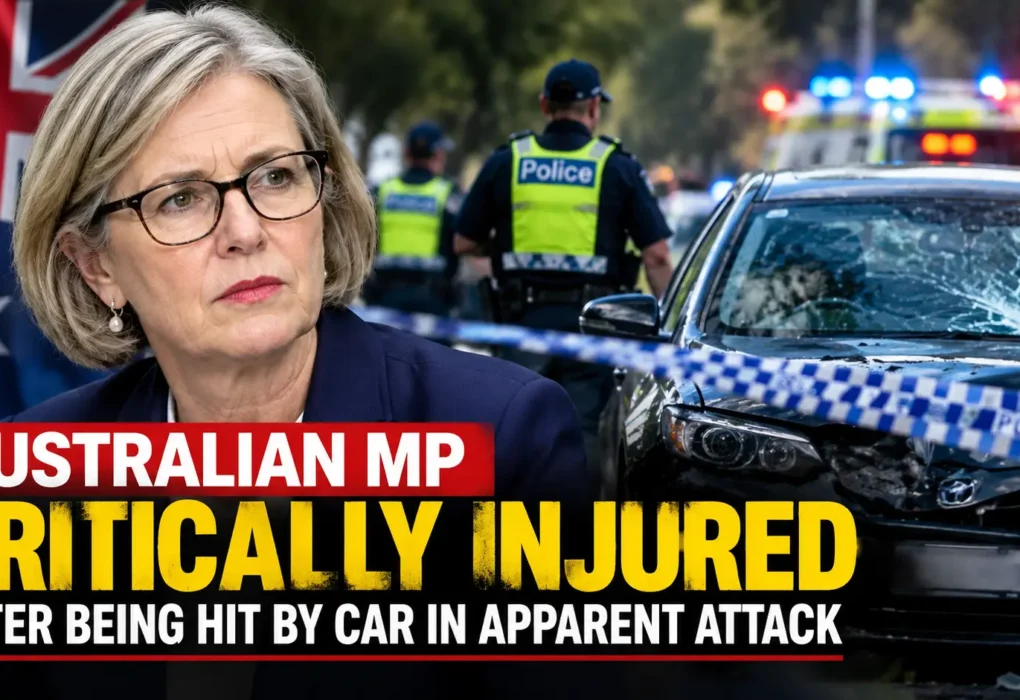
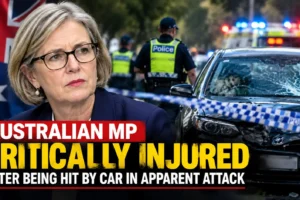
Australian MP critically injured after being hit by car in apparent attack
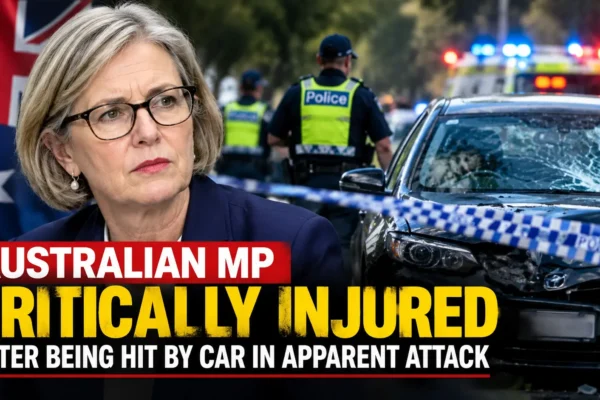
An Australian member of parliament has reportedly been critically injured after being struck by a car in what authorities are describing as an apparent attack. The incident has raised concerns about the safety of elected representatives and prompted attention from the public and political community. The circumstances surrounding the incident remain a key focus of the investigation. Authorities are expected to examine how the collision occurred, whether the driver deliberately targeted the politician, and what events led up to the incident. While the description of an apparent attack suggests the possibility of deliberate action, investigators must establish the facts before drawing firm conclusions about the motive. The MP’s critical condition has heightened concern among colleagues, supporters and members of the wider community. Incidents involving violence against elected officials can have serious consequences, not only for the individuals affected but also for public confidence in democratic institutions. Australian politicians carry out their responsibilities in a political environment where public engagement, campaigning and community contact are essential parts of their work. An incident of this nature may renew discussions about security arrangements for public officials, particularly when they attend public events or travel through busy areas. Police arrested a 43-year-old man following the incident. A knife was reportedly found inside the vehicle, and investigators are examining the circumstances surrounding the collision. Authorities have not yet established a clear motive, and the investigation remains ongoing. ABC News +1 Australian Prime Minister Anthony Albanese condemned the incident and expressed concern for Haines, her family, her staff and the community she represents. Political leaders across the country have also expressed support, highlighting the seriousness of the incident and the importance of protecting public officials from violence. AP News +1 Helen Haines has represented the rural electorate of Indi as an independent member of parliament since 2019. Before entering politics, she worked as a nurse and midwife and became known for advocating government transparency and stronger accountability measures. As the investigation continues, attention will remain focused on Haines’s recovery and the evidence being gathered by police. Authorities will need to determine whether the incident was politically motivated or driven by another factor. The case has renewed debate about the safety of elected representatives and the growing importance of addressing threats against public officials. Further information about the suspect and the motive may emerge as investigators continue their work.
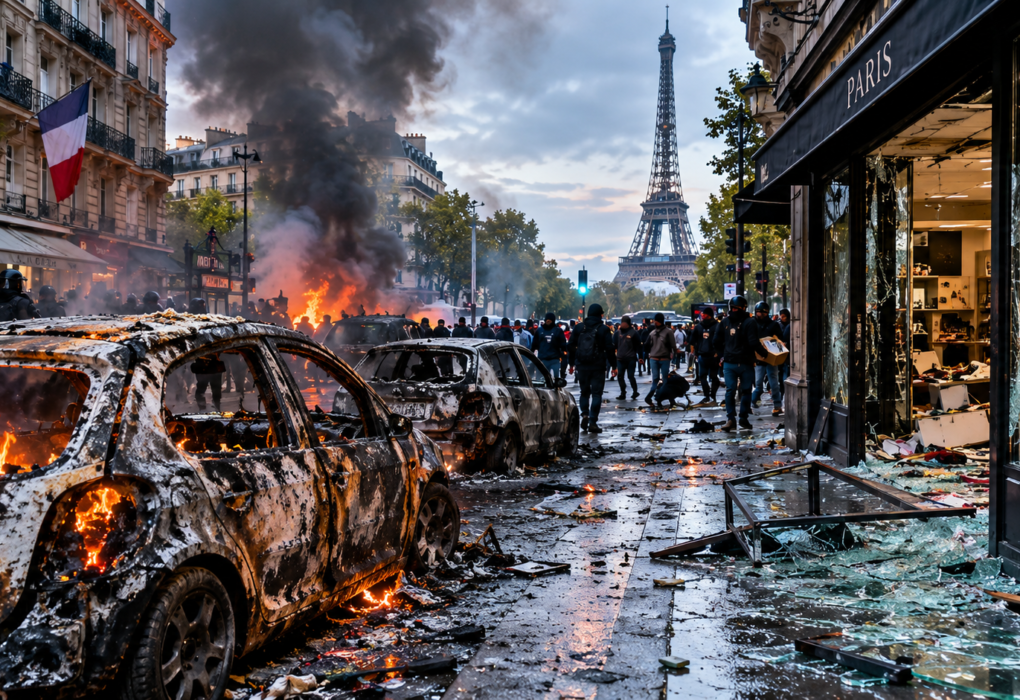
Burnt out cars and shattered glass on Paris streets after protests turn to riots and looting
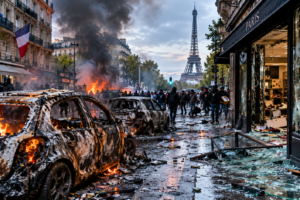
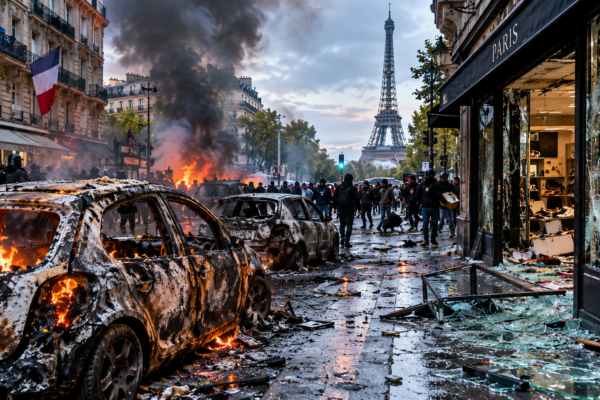
Paris has witnessed scenes of destruction and disorder after protests escalated into riots and looting, leaving streets littered with shattered glass, damaged property and burnt-out cars. The unrest has raised fresh concerns about public safety, the protection of businesses and the challenges facing authorities as they attempt to restore calm. Images of damaged vehicles and debris scattered across city streets have highlighted the scale of the disruption. Shops and commercial areas affected by looting have faced losses, while residents and business owners have been left dealing with the aftermath of the violence. Protests are a familiar part of French political and social life, with demonstrations frequently organised over government policies, economic pressures and public grievances. However, when demonstrations turn violent, the consequences can extend well beyond the original cause, affecting ordinary citizens, local businesses and essential urban services. Police face the difficult task of controlling crowds, preventing further damage and protecting people caught up in the unrest. Authorities must also balance public order with the right to peaceful assembly, a fundamental principle of democratic society. The destruction has also renewed debate over how authorities should respond when peaceful demonstrations descend into violence. While protesters have the right to express their opinions and demand change, acts of arson, vandalism and theft can undermine public support for a movement and place innocent people at risk. Local communities now face the challenge of recovering from the damage. Cleaning shattered glass, removing wrecked vehicles and repairing affected properties may take considerable time and resources. Business owners could also experience financial difficulties if damaged premises force them to suspend operations. The coming days will be important in determining whether tensions ease or further confrontations occur. Authorities are expected to focus on maintaining security, investigating incidents and preventing additional damage. The scenes from Paris serve as a reminder of how quickly public demonstrations can escalate when tensions rise. Restoring calm will require effective policing, accountability for criminal acts and efforts to address the underlying grievances driving public anger.