Venezuela Earthquake Death Toll

Venezuela earthquakes kill 920 people as international rescue teams arrive

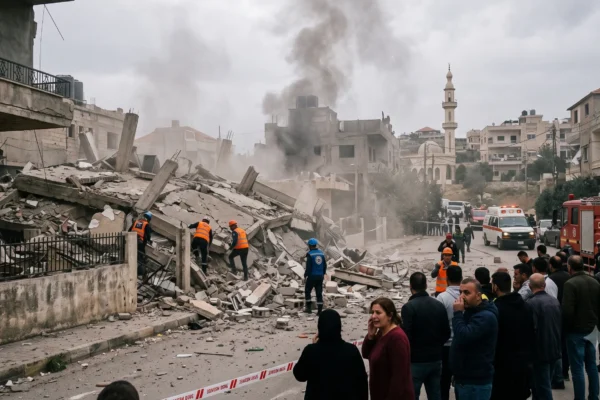
The death toll from the devastating earthquakes that struck Venezuela has risen to at least 920, as international rescue teams race against time to find survivors trapped beneath collapsed buildings. The twin earthquakes, measuring 7.2 and 7.5 in magnitude, hit northern Venezuela on June 24, causing widespread destruction across Caracas, La Guaira, and surrounding regions. Authorities report that more than 3,300 people have been injured, while tens of thousands remain missing. Rescue efforts have entered a critical phase, with emergency workers focusing on the first 72 hours after the disaster, a period considered crucial for locating survivors under rubble. International assistance has begun arriving from several countries, including the United States, European nations, and neighboring Latin American states. Specialized search-and-rescue teams, canine units, medical personnel, and heavy equipment have been deployed to support overwhelmed local responders. More than 500 emergency responders from across Europe have also joined the operation. Many residents have expressed frustration over the slow initial response, with volunteers and family members often digging through debris by hand while waiting for professional rescue crews. Significant damage to roads, communications networks, and public infrastructure has complicated rescue efforts and delayed access to some of the hardest-hit areas. Acting President Delcy Rodríguez has pledged to save as many lives as possible and welcomed international aid arriving in the country. Humanitarian organizations, including United Nations agencies, are coordinating relief efforts, providing emergency shelter, medical supplies, food, and clean water to affected communities. As aftershocks continue to shake the region, fears remain that the Venezuela earthquake death toll could rise further. Rescue teams continue their urgent search for survivors, while thousands of displaced families face an uncertain future amid one of the country’s worst natural disasters in more than a century.

Read More
Venezuelan earthquake death toll jumps to 920

‘I want them back’: Venezuelan woman searches for daughters as earthquakes death toll jumps to 920

A Venezuelan mother’s desperate search for her two missing daughters has become a symbol of the heartbreak unfolding across the country after devastating back-to-back earthquakes left hundreds dead and thousands missing. The powerful quakes, measuring 7.2 and 7.5 in magnitude, struck within seconds of each other, causing widespread destruction across northern Venezuela and triggering one of the country’s worst natural disasters in more than a century. Standing among the ruins of collapsed buildings in the hard-hit coastal region of La Guaira, the woman told rescuers, “I want them back,” as search teams continued digging through mountains of concrete and debris. Her daughters were inside an apartment building that collapsed during the earthquakes, and she has refused to leave the site despite growing fears that the chances of finding survivors are fading. Authorities say the death toll has surged to at least 920, with thousands more injured and tens of thousands still unaccounted for. Rescue workers from Venezuela and several international aid teams are racing against time to locate survivors trapped beneath collapsed structures. Emergency crews have been supported by sniffer dogs, heavy machinery, and specialized search units arriving from multiple countries. The twin earthquakes caused severe damage to homes, hospitals, roads, and public infrastructure. Many residents have been forced to sleep outdoors due to fears of aftershocks, while shortages of food, clean water, and medical supplies are complicating relief efforts. Officials have declared a state of emergency and appealed for international assistance as the humanitarian crisis deepens. For families like the grieving mother searching for her daughters, statistics mean little compared with the personal loss they face. As rescue operations continue, thousands of Venezuelans remain hopeful that their loved ones will still be found alive beneath the rubble.

Read More
US-Iran Peace Talks in Switzerland

US and Iran begin talks on initial peace deal in Switzerland

The United States and Iran have begun a new round of negotiations in Switzerland aimed at transforming a fragile ceasefire into a broader peace agreement, marking a significant diplomatic effort after months of heightened tensions in the Middle East. The talks, taking place at the Bürgenstock resort near Lake Lucerne, are focused on key issues including Iran’s nuclear program, regional security, sanctions relief, and the future stability of Lebanon. , who arrived in Switzerland on Sunday to begin discussions with senior Iranian officials. The negotiations follow the signing of an initial memorandum of understanding designed to end recent hostilities and create a framework for a more comprehensive agreement within the next 60 days. According to officials, the talks aim to address concerns over Iran’s nuclear activities while also exploring opportunities to improve economic and diplomatic relations between Washington and Tehran. The United States has expressed interest in a long-term arrangement that would reduce regional instability and prevent further military confrontations. However, major challenges remain. Iran continues to insist on its right to peaceful uranium enrichment, while ongoing tensions involving Hezbollah and the security of the Strait of Hormuz threaten to complicate negotiations. Recent developments in Lebanon and disagreements over regional security issues have underscored how fragile the current diplomatic opening remains. Despite these obstacles, both sides have described the Swiss talks as an important first step toward a lasting settlement. Mediators from Pakistan and Qatar are also participating, helping bridge differences between the two longtime rivals. Diplomats hope that continued dialogue over the coming weeks can build trust and produce concrete agreements on security, nuclear oversight, and economic cooperation. The outcome of the Switzerland negotiations could have major implications for Middle East stability and future US-Iran relations.

Read More
Israel Hezbollah ceasefire

Israel and Hezbollah agree ceasefire, US says, as more Lebanon strikes reported

A renewed ceasefire between Israel and Hezbollah has been announced after intense fighting in southern Lebanon threatened wider diplomatic efforts across the Middle East. According to U.S. officials, the agreement was brokered with support from Qatar and Iran and was scheduled to take effect at 4 p.m. local time on June 19. The truce comes after one of the deadliest days of violence in recent weeks. Israeli airstrikes targeted multiple locations in Lebanon following attacks that killed four Israeli soldiers. Lebanese authorities reported dozens of casualties from the strikes, while Hezbollah claimed it was responding to Israeli military actions. Despite the ceasefire announcement, reports of continued strikes and exchanges of fire emerged shortly after the agreement was due to begin. Lebanese sources accused Israel of carrying out additional airstrikes, while Israeli officials denied conducting attacks after the ceasefire deadline. The conflicting claims have raised concerns about the durability of the agreement. The ceasefire is seen as a crucial step in preserving broader diplomatic initiatives in the region, including efforts to maintain dialogue between the United States and Iran. Recent fighting had already disrupted planned negotiations, with officials warning that further escalation could undermine ongoing peace efforts. Analysts say the situation remains fragile. Israel has stated it reserves the right to act against perceived threats, while Hezbollah has accused Israel of violating previous understandings. Both sides face pressure from international mediators to prevent another major escalation along the Lebanon-Israel border. For now, the ceasefire offers a temporary pause in hostilities, but uncertainty remains over whether it can hold amid deep-rooted tensions and continued accusations of violations from both sides.

Read More
US lifts naval blockade

US lifts naval blockade as Iran’s supreme leader says Trump made deal ‘out of desperation’

The United States has begun lifting its naval blockade on Iranian ports and shipping routes following a newly negotiated peace agreement between Washington and Tehran, marking a significant shift in tensions that have gripped the Middle East for months. The move comes after President Donald Trump announced that a deal had been reached to end hostilities and reopen the strategically vital Strait of Hormuz. Under the agreement, the U.S. will gradually remove restrictions on Iranian maritime traffic and allow commercial vessels to access Iranian ports. American officials said the decision is part of a broader framework aimed at restoring stability in the Gulf and preventing further disruptions to global energy markets. More than a dozen ships have already been allowed through under the initial phase of the arrangement. However, the deal has sparked political debate in both countries. Iran’s Supreme Leader, Mojtaba Khamenei, reportedly criticized the agreement, claiming that Trump pursued the deal “out of desperation” after economic pressures and concerns over global oil supplies mounted. Iranian officials have argued that the U.S. was forced to negotiate after the blockade failed to achieve its broader strategic goals. Trump has defended the agreement, describing it as a diplomatic breakthrough that will reopen the Strait of Hormuz, reduce the risk of further military conflict, and stabilize international markets. The memorandum of understanding includes commitments from Iran to support safe maritime navigation and refrain from pursuing nuclear weapons, while the U.S. has agreed to ease sanctions and provide access to frozen Iranian assets. The agreement is expected to be formally signed in Switzerland, with negotiators hoping it will pave the way for a broader and more permanent settlement between the two longtime adversaries. Despite ongoing skepticism from critics, the reopening of shipping routes has already eased concerns about global oil supplies and regional security.

Read More
Trump Iran Peace Deal

Trump says deal to end war with Iran already signed and details to be released ‘pretty soon’

U.S. President Donald Trump has announced that a deal aimed at ending the conflict with Iran has already been signed, with the full details expected to be released “pretty soon.” The announcement marks a significant development after months of tensions, military confrontations, and diplomatic negotiations between Washington and Tehran. Speaking ahead of the G7 summit in France, Trump said the agreement had been digitally signed and that a formal signing ceremony is expected later this week in Geneva. According to U.S. officials, the deal takes the form of a memorandum of understanding that establishes a framework for ending hostilities and opening the door to further negotiations. Vice President JD Vance confirmed that the agreement was signed electronically and stressed that no funds have yet been transferred to Iran. He noted that any future economic benefits or sanctions relief would depend on Tehran meeting its commitments under the agreement. Reports indicate that the framework includes measures to reopen the strategically important Strait of Hormuz and maintain a ceasefire while both sides continue discussions on broader issues, including Iran’s nuclear program. A 60-day negotiation period is expected to follow the formal signing. While Trump has described the agreement as a major step toward peace and regional stability, some details remain unclear. Iranian officials have acknowledged progress but previously expressed caution regarding the timing and final terms of the deal. Critics in both the United States and the Middle East have also questioned aspects of the proposed arrangement. The release of the full text is expected in the coming days, which should provide a clearer picture of the commitments made by both sides and the prospects for a lasting peace.

Read More
Trump Iran Deal

‘Let’s not blow it!’ Trump says after Tehran warns Israeli strike on Beirut risks US-Iran deal

U.S. President Donald Trump has urged restraint across the Middle East after Iran warned that an Israeli strike on Beirut could jeopardize a fragile peace agreement between Washington and Tehran. The comments came as diplomats reported that negotiations aimed at ending months of conflict were closer than ever to a breakthrough. Writing on social media, Trump criticized the Israeli attack on Beirut’s southern suburbs, saying it “should not have happened” at a moment when a peace deal with Iran appeared within reach. He argued that the incident Israel responded to was relatively minor and should not be allowed to derail ongoing diplomatic efforts. Trump also called on both Israel and Hezbollah to halt further attacks, warning that renewed violence could threaten regional stability. The Israeli strike reportedly targeted Hezbollah positions in Beirut after rockets and drones were launched toward northern Israel. Lebanese authorities said several people were killed and injured in the attack, while Iran strongly condemned the operation and questioned whether the United States could fulfill its commitments under the proposed agreement. Iranian officials warned that the Beirut strike could undermine trust in the negotiation process. Tehran’s representatives argued that continued Israeli military actions raise doubts about Washington’s ability to guarantee the terms of any future deal. Some Iranian leaders even suggested there would be little reason to continue talks if such attacks persist. Despite the tensions, Trump remained optimistic that an agreement could still be finalized. He described the potential accord as a pathway to broader regional peace, including greater stability in Lebanon and the reopening of key trade routes. “This could be the beginning of a long and beautiful peace,” Trump said, adding a final plea to all parties: “Let’s not blow it.”

Read More
Iran-US peace deal

Iran says deal to end fighting with US has ‘never been closer’

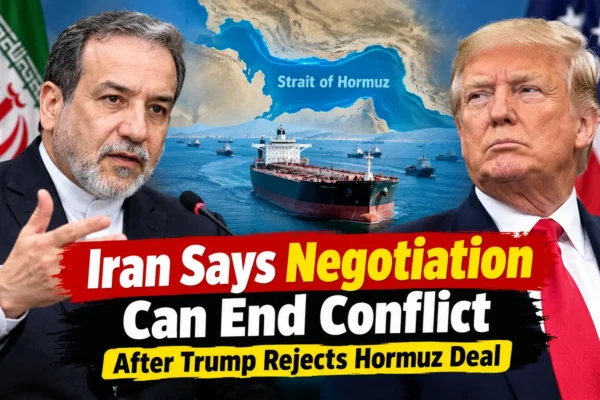
Iran has signaled growing optimism about negotiations aimed at ending months of conflict with the United States, with Iranian Foreign Minister Abbas Araghchi stating that a deal to halt the fighting “has never been closer.” The comments come amid intensified diplomatic efforts involving regional mediators and growing international pressure to prevent further escalation in the Middle East. According to reports, both Washington and Tehran have made progress on a proposed agreement that would extend the current ceasefire, reopen the strategically important Strait of Hormuz, and establish a framework for future negotiations over Iran’s nuclear program. While significant differences remain, officials on both sides have expressed cautious optimism that a breakthrough could be reached in the coming days. US President Donald Trump welcomed Iran’s latest comments, describing them as a positive sign for peace. However, Iranian officials stressed that no final agreement has been approved and that several key issues remain unresolved, including sanctions relief and access to frozen Iranian assets. Pakistan, which has played a mediation role during the negotiations, said that the text of a potential agreement has largely been finalized. Reports suggest the proposed deal could include measures related to Iran’s nuclear activities, economic incentives, and guarantees aimed at preventing future military confrontations. The prospect of an Iran-US peace deal has been welcomed by global markets, particularly because it could lead to the full reopening of the Strait of Hormuz, a critical route for global energy supplies. Oil prices have reacted positively to signs of diplomatic progress.

Read More
Trump Cancels Strikes Against Iran

Trump says he has ‘cancelled’ strikes against Iran after threatening ‘very hard’ attack tonight

U.S. President Donald Trump announced that he has cancelled planned military strikes against Iran, only hours after warning that the United States would hit the country “very hard tonight.” The dramatic reversal came amid growing international concern over escalating tensions in the Middle East and fears of a wider regional conflict. Earlier in the day, Trump had issued strong warnings toward Iran, threatening intensified military action following continued hostilities between U.S. and Iranian forces. He also suggested that the United States could seek control of key Iranian energy infrastructure, including Kharg Island, one of Iran’s most important oil export hubs. The remarks triggered concern in global energy markets and among U.S. allies in the region. However, Trump later announced that the scheduled strikes and bombings had been called off. According to his statement, discussions with Iranian leadership and consultations involving several regional and international partners created an opportunity for diplomacy. He indicated that progress had been made toward a possible agreement, prompting the decision to halt the planned attack. Despite cancelling the strikes, Trump emphasized that pressure on Iran would continue. Reports indicate that U.S. measures, including a naval blockade targeting Iran, remain in place while negotiations proceed. Key issues reportedly include Iran’s nuclear activities, sanctions relief, maritime security in the Strait of Hormuz, and broader regional stability. The sudden shift from military threats to renewed diplomacy highlights the fragile nature of the current crisis. While the cancellation of the strikes has eased immediate fears of escalation, uncertainty remains over whether negotiations will produce a lasting agreement between Washington and Tehran. Regional governments and global markets are expected to closely monitor developments in the coming days.

Read More
Trump Iran helicopter response

Trump says Iran shot down US helicopter and vows to respond

U.S. President Donald Trump has accused Iran of shooting down a U.S. Army Apache helicopter near the Strait of Hormuz and pledged that the United States will respond to what he described as a direct attack. The incident marks a significant escalation in tensions between Washington and Tehran at a time when diplomatic efforts to reduce regional conflict remain fragile. According to Trump, the helicopter was conducting a patrol mission over the strategically important Strait of Hormuz when it was allegedly targeted by Iranian forces. In a statement posted on social media, Trump said he had been informed by the U.S. military that Iran was responsible for the downing of the aircraft. He added that the United States “must, of necessity, respond to this attack.” Despite the dramatic claim, details surrounding the incident remain limited. U.S. military officials confirmed that the helicopter went down near the Strait of Hormuz and that both crew members were safely rescued. Reports indicate the pilots are in stable condition and suffered no major injuries. The event comes amid heightened tensions in the Middle East following recent clashes involving Iran, Israel, and U.S. forces. Analysts warn that any American military response could further destabilize the region and threaten shipping routes through the Strait of Hormuz, one of the world’s most important energy corridors. Iran has not publicly provided a detailed response to Trump’s accusation, and investigations into the circumstances of the helicopter’s loss are ongoing. Meanwhile, global markets are closely watching developments, with oil prices showing signs of volatility as concerns about regional security grow. As Washington considers its next steps, the incident has raised fresh questions about the future of U.S.-Iran relations and the possibility of a broader confrontation in the Gulf region.

Read More