Trump Iran unconditional surrender

Trump demands Iran’s ‘unconditional surrender’ as Israel says it hit leadership bunker ‘with 50 jets’

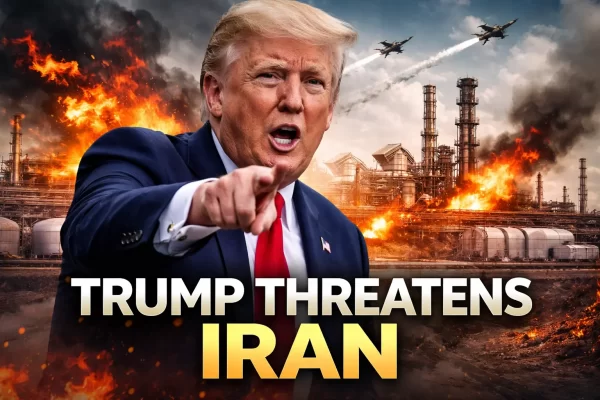
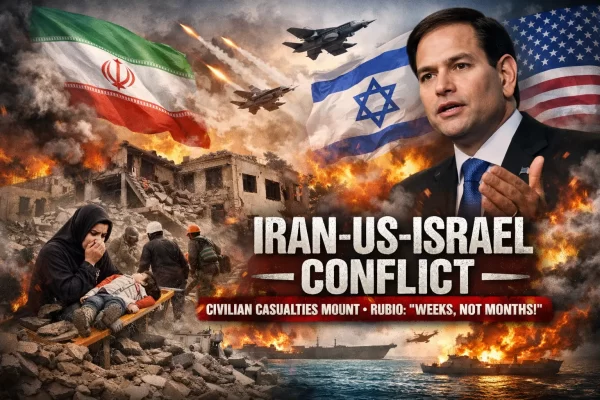
U.S. President Donald Trump has demanded Iran’s “unconditional surrender”, dramatically escalating rhetoric as the conflict between Iran and Israel intensifies across the Middle East. The statement came as Israel claimed it had launched a massive airstrike using around 50 fighter jets to destroy a key underground bunker believed to be used by senior Iranian leadership in Tehran. Posting on his Truth Social platform, Trump said there would be “no deal with Iran except unconditional surrender,” signaling that Washington would not pursue negotiations unless Tehran fully capitulates. He also suggested that once Iran surrendered and installed what he described as a “great and acceptable leader,” the United States and its allies would help rebuild the country’s economy and restore stability. The remarks came amid a rapidly expanding regional war. Israeli military officials said their air force conducted a large-scale strike on a fortified underground command bunker beneath Iran’s leadership compound in Tehran. According to the Israel Defense Forces (IDF), about 50 warplanes dropped dozens of bombs on the site, targeting infrastructure believed to be used by senior regime figures following the death of Iran’s supreme leader earlier in the conflict. Israeli officials described the bunker as a secure command center spanning multiple streets beneath the capital, designed to protect leadership during wartime. The strike was part of a broader wave of Israeli attacks on Iranian and allied targets across the region. Meanwhile, Iran has continued retaliatory missile and drone attacks against Israeli positions and U.S. bases in the Gulf, raising fears of a wider regional confrontation. International leaders and humanitarian groups have urged de-escalation as casualties rise and displacement spreads across affected areas. Diplomatic efforts are reportedly underway by several countries to mediate the crisis, but Trump’s demand for unconditional surrender suggests the path to negotiations remains uncertain as the conflict deepens.

Read More
Trump Iran

Trump says ‘everything’s been knocked out in Iran’ as he criticises UK and Starmer

US President Donald Trump claimed on Tuesday that US-Israeli military operations have inflicted “virtually everything … knocked out” of Iran’s defence capabilities, asserting that Iran’s navy, air force, radar and air-defence systems have been disabled amid escalating conflict in the Middle East. Trump made the remarks in the Oval Office during a press session with German Chancellor Friedrich Merz, defending the strikes as necessary to pre-empt what he described as an imminent threat from Iran. He denied that Israel had forced the United States into war, insisting that he acted to prevent a potentially planned Iranian attack on the United States. Trump admitted uncertainty about Iran’s post-conflict leadership and acknowledged the absence of a clear “day-after” plan. Trump’s comments came amid soaring tensions with European allies, particularly the UK. He openly criticised UK Prime Minister Sir Keir Starmer, saying he was “not happy with the UK” and that Starmer was “not Winston Churchill” for initially resisting US requests to use British military bases in support of offensive operations against Iran. Trump said Starmer had been “very uncooperative” and lamented that the “special relationship” between the US and UK was “not what it was,” highlighting London’s hesitancy over involvement and legal concerns. Starmer later allowed limited UK base use for defensive strikes against Iranian missile infrastructure but stopped short of broader offensive participation. The diplomatic spat underscores the growing strain between Washington and London as the Middle East conflict deepens. While Trump’s narrative emphasises military success, critics question both the legality and strategic planning of the campaign, and allies like Starmer have insisted on adherence to international law and careful strategic considerations.

Read More
Israeli strikes Lebanon

Israeli attacks kill 31 in Lebanon, Iran strikes across region, and US warplanes crash in Kuwait

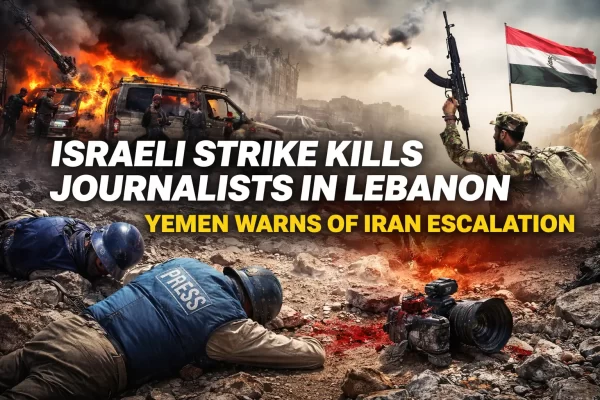
Israeli military forces carried out intense airstrikes across southern Lebanon, hitting Hezbollah-controlled areas including the southern suburbs of Beirut, the Bekaa Valley, and zones near Tyre, in response to a barrage of missiles and drones launched by the Iran-aligned group toward northern Israel. At least 31 people were killed and scores injured, according to Lebanon’s health authorities, as residential and militant positions were struck. Israeli officials said they targeted senior Hezbollah figures and infrastructure, and warned civilians to evacuate from frontline areas. The broader conflict stems from a joint US-Israeli offensive on Iran after the killing of Iran’s Supreme Leader, which triggered massive Iranian retaliation across the Middle East. Tehran’s Revolutionary Guards launched missiles and drones at Israeli territory, Gulf states, and Western military installations. Regional capitals including Kuwait City, Riyadh, Doha, Abu Dhabi, and Manama reported incoming strikes, damage to airports and oil infrastructure, and civilian casualties. Multiple Gulf airspaces were closed, prompting thousands of flight cancellations and delays. Amid the ongoing hostilities, the Kuwait Ministry of Defence confirmed that several US warplanes crashed on Kuwaiti soil during operations. While exact causes remain unclear, all crew members survived and were reported in stable condition. The incidents underline the high operational tempo and risks faced by coalition air missions in contested airspace. The expanding violence has not only intensified Lebanon’s front but also raised alarm across the Gulf, with diplomatic protests and regional powers bracing for further retaliation. Civilian displacement and international transit disruptions are escalating alongside military confrontations.

Read More