
Russia-Ukraine peace talks

Difficult’ Russia-Ukraine peace talks end without breakthrough

The latest round of Russia-Ukraine peace talks concluded in Geneva without delivering any meaningful progress toward ending the ongoing war. Over two days of negotiations, Ukrainian President Volodymyr Zelensky described the discussions as “difficult,” accusing Moscow of deliberately stalling the process. The talks, mediated by U.S. envoys, were expected to explore pathways toward a ceasefire and long-term settlement, but they ended abruptly after less than two hours on the second day. Ukrainian officials stressed their commitment to pursuing peace but voiced frustration at Russia’s reluctance to engage constructively. Zelensky emphasized that Kyiv’s delegation had been tasked with maximizing opportunities for peaceful solutions, yet Moscow appeared intent on dragging out negotiations. The Kremlin, meanwhile, maintained its position that Ukraine must make concessions, particularly regarding territorial disputes, which remain the central obstacle to progress. The Geneva talks were part of a U.S.-brokered initiative aimed at reducing tensions and finding common ground. Despite international pressure, both sides left without agreeing on concrete steps forward. Analysts highlight that the failure underscores the complexity of achieving a ceasefire, given the entrenched military and political positions. With the fourth anniversary of Russia’s full-scale invasion approaching, the lack of progress raises concerns about prolonged instability in Europe. Observers warn that continued stalemate could deepen humanitarian crises and further destabilize regional security. While the talks ended without breakthrough, both sides acknowledged that dialogue must continue, leaving open the possibility of future negotiations.

Read More
Zelensky White House visit

Zelensky leaves White House unscathed as he buys more time

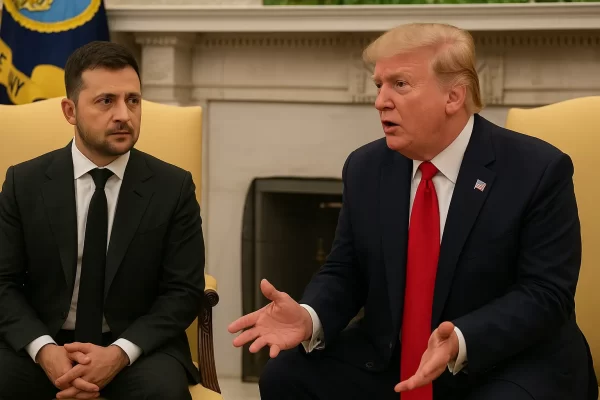
Ukrainian President Volodymyr Zelensky left the White House on Tuesday having secured another reprieve for his war-torn nation. His visit to Washington was marked by intense diplomatic maneuvering, as Kyiv continues to fight for sustained Western support against Russia’s ongoing military offensive. During his meeting with U.S. President Donald Trump, Zelensky’s key objective was to ensure Ukraine remains a priority for Washington amid shifting American foreign policy debates. While Trump stopped short of announcing major new military packages, he emphasized that the United States “remains committed” to helping Ukraine defend itself. This reassurance, though measured, allowed Zelensky to claim a symbolic victory—leaving Washington without major setbacks and with some additional time to press his country’s case on the global stage. For Ukraine, the visit was less about immediate breakthroughs and more about survival in the geopolitical spotlight. Zelensky highlighted the importance of U.S. security guarantees and financial assistance, stressing that Ukraine’s resistance depends heavily on Western unity. The White House, meanwhile, signaled that while military aid would continue, larger strategic commitments may be tied to future negotiations with Russia and Europe. Analysts noted that Zelensky managed to walk a fine line between urgency and diplomacy. His ability to avoid confrontations while still pressing for continued support was seen as a skillful tactic. “Zelensky didn’t come for sweeping deals—he came to buy time,” said one Washington policy expert. “And in that respect, he succeeded.” The Ukrainian leader also took the opportunity to remind American lawmakers of the broader stakes. In meetings with members of Congress, he framed Ukraine’s struggle as part of a global defense of democracy. Lawmakers from both parties expressed concern about wavering support, particularly as domestic political battles in the U.S. intensify ahead of the next election season. For Zelensky, buying time is critical. Ukraine faces mounting battlefield challenges, including shortages of ammunition and manpower. While European allies have pledged additional assistance, U.S. backing remains the cornerstone of Ukraine’s defense. Any signal of hesitation from Washington could embolden Russia and complicate Kyiv’s strategic outlook. also read Trump-Zelenskyy meeting in Washington LIVE: Zelenskyy in U.S. stresses need for security guarantees As he departed Washington, Zelensky appeared cautiously optimistic. “We continue to stand with the United States, and we believe the United States stands with us,” he said in a brief statement. While no groundbreaking agreements were signed, the visit achieved what Kyiv most urgently needed: a pause in doubts and a renewed, if limited, commitment from its most powerful ally. For now, Zelensky has left the White House unscathed, and Ukraine has gained valuable time in its long and grueling struggle for survival. Wabstalk

Read More
Trump-Zelenskyy meeting

Trump-Zelenskyy meeting in Washington LIVE: Zelenskyy in U.S. stresses need for security guarantees

Ukrainian President Volodymyr Zelenskyy arrived in Washington, D.C., on Monday for high-level talks with former U.S. President Donald Trump, who is seeking to play a renewed role in shaping the path forward for Ukraine amid its ongoing conflict with Russia. The Trump-Zelenskyy meeting comes at a pivotal moment, as Kyiv continues to push for stronger security commitments from the United States and its Western allies. Speaking to reporters ahead of the closed-door talks, Zelenskyy underlined that Ukraine’s future depends not only on military support but also on long-term security guarantees. He reiterated that Russia’s war against Ukraine has entered a decisive stage, and Western unity is essential in countering Moscow’s aggression. “We are fighting not just for Ukraine’s sovereignty, but for stability and security in Europe,” Zelenskyy stated. Trump, who has previously expressed skepticism about the scale of U.S. involvement in Ukraine, struck a more measured tone during his appearance with Zelenskyy. While avoiding specifics on future aid packages, he acknowledged Ukraine’s resilience and said discussions would focus on “finding realistic steps that bring lasting peace.” Trump added that any U.S. support must be tied to “clear objectives and accountability,” a remark likely aimed at addressing concerns among his political base about the cost of supporting Ukraine. The Trump-Zelenskyy meeting is being closely watched not only in Washington but across Europe, where allies are keen to see whether Trump could shift U.S. policy toward a more restrained role in Ukraine’s defense. Analysts note that Zelenskyy’s visit is a strategic move to ensure bipartisan American backing, regardless of who occupies the White House after the 2024 elections. Zelenskyy’s agenda also includes meetings with congressional leaders and defense officials to secure commitments on advanced air-defense systems and long-term financial support. Ukrainian officials have stressed that without dependable guarantees, any ceasefire deal with Russia would leave Kyiv vulnerable to renewed attacks. The atmosphere in Washington reflects both urgency and caution. For Ukraine, the visit is an attempt to lock in assurances that will survive political changes in the U.S. For Trump, it is a chance to demonstrate statesmanship while navigating the fine line between supporting an ally and reassuring voters who demand a more inward-focused foreign policy. As the Trump-Zelenskyy meeting unfolds, the central question remains: can Ukraine secure the guarantees it needs to stand against Russia, while also convincing U.S. leaders that their support aligns with America’s strategic interests? For now, all eyes are on Washington, where the outcome of this meeting could shape the trajectory of the war and Ukraine’s future security framework.

Read More