Ukraine peace talks

US optimistic on end to war as Zelensky says Ukraine to talk to US and Russia

The United States has expressed cautious optimism that the war in Ukraine could move closer to an end, as President Volodymyr Zelensky confirmed that Kyiv is preparing to engage in talks involving both Washington and Moscow. The comments signal a potential diplomatic opening after months of intense fighting, stalled negotiations, and growing international concern over the long-term costs of the conflict. US officials say recent diplomatic contacts and behind-the-scenes discussions have created a window for dialogue, even as military operations continue on the ground. Washington has stressed that any peace process must respect Ukraine’s sovereignty and territorial integrity, while also being grounded in realistic security guarantees that can prevent a renewed conflict in the future. American officials have framed their optimism carefully, acknowledging that previous attempts at talks have failed and that trust between the parties remains extremely low. Zelensky, speaking to reporters, said Ukraine is ready to participate in discussions that include both the United States and Russia, but made clear that Kyiv’s core principles have not changed. He emphasized that Ukraine will not accept any settlement imposed without its consent and that talks must focus on ending hostilities while ensuring long-term stability. According to Zelensky, US involvement is critical to balancing negotiations and ensuring that Ukraine’s interests are fully represented. Russia has not publicly detailed its position on the proposed talks, though officials in Moscow have repeatedly said they are open to dialogue under what they describe as “new realities” on the ground. Analysts warn that this gap in expectations could complicate negotiations, particularly on sensitive issues such as territorial control, sanctions, and security arrangements. For now, the prospect of Ukraine peace talks has raised cautious hopes among allies and international observers. While major obstacles remain, the willingness of Kyiv, Washington, and potentially Moscow to re-engage diplomatically suggests that efforts to end the war are entering a new, if uncertain, phase.

Read More
Zelensky

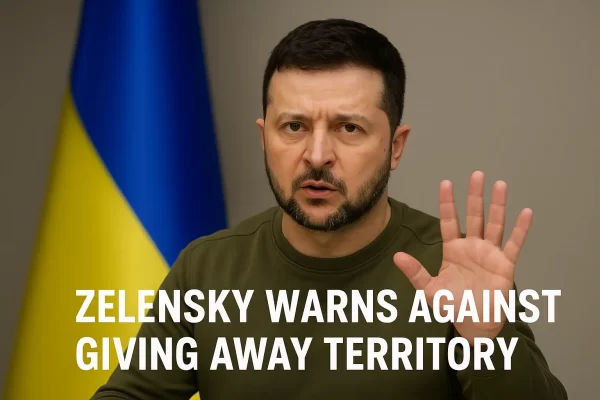
Zelensky warns against giving away territory as latest Ukraine talks end

Ukrainian President Volodymyr Zelensky has issued a firm warning against any proposals that involve surrendering territory to Russia, as the latest round of diplomatic discussions concluded without major breakthroughs. Speaking after the talks, Zelensky emphasized that Ukraine’s sovereignty and territorial integrity are non-negotiable, underscoring that no peace plan can succeed if it compromises the nation’s internationally recognized borders. The talks, which brought together Ukrainian officials and a coalition of international mediators, focused on exploring new frameworks for a potential ceasefire and long-term security guarantees. While some participants suggested considering territorial concessions as part of a broader compromise, Kyiv firmly rejected this approach. Zelensky stressed that accepting such terms would not only undermine Ukraine’s future security but also set a dangerous precedent for global norms surrounding territorial aggression. Despite the lack of concrete progress, diplomats described the negotiations as “constructive,” noting that all sides remain committed to pursuing a peaceful resolution. Ukraine reiterated that any sustainable peace agreement must include the full withdrawal of Russian forces, the return of all occupied regions, and binding security assurances to prevent future escalations. Zelensky also called on international partners to maintain strong political and military support for Ukraine, warning that weakening assistance would embolden Russian aggression and prolong the conflict. He highlighted the importance of unity among allies, especially as winter approaches and fighting continues on multiple fronts. While the talks ended without major advancements, the Ukrainian government said discussions would continue in the coming weeks. For Kyiv, the stance remains clear: peace is possible, but not at the cost of territorial loss or national sovereignty.

Read More
Russia-Ukraine war residential building strike

Children among 25 killed in one of Russia’s deadliest strikes on western Ukraine

A devastating Russian drone and missile strike hit the western Ukrainian city of Ternopil overnight, killing 25 people, including three children, and injuring dozens more. The attack, one of the deadliest in western Ukraine since the start of the full-scale invasion, struck a densely populated residential area where families were asleep as the bombardment began. According to authorities, two nine-storey residential apartment blocks suffered direct hits. The upper floors were torn apart as explosions triggered a fierce blaze that engulfed the buildings within minutes. Interior Minister Ihor Klymenko described sections of the structure being consumed in what he called “fiery lava,” a torrent of flames so intense that many residents had no chance to escape before the fire overtook their homes. Of the 25 confirmed fatalities, three were children aged just 5, 7, and 16. Emergency crews reported that another 73 people were wounded, including at least 15 children, many suffering burns, blast injuries, or smoke inhalation. Rescue workers continued digging through smoldering rubble throughout the day, warning that as many as two dozen people remained missing and that recovery operations could take several days due to the scale of destruction. Ukraine’s air force said Russia launched an enormous overnight barrage consisting of 476 drones and 48 missiles targeting multiple regions. While air defenses intercepted a significant number, several managed to slip through, striking civilian infrastructure, residential zones, and energy facilities. The attack triggered power outages across several western regions, leaving thousands without electricity or heating as winter temperatures continue to drop sharply. Local officials warned that the humanitarian situation could worsen if strikes on energy facilities persist. Ukrainian leaders condemned the assault as a deliberate attack on civilians, emphasizing that there were no military installations near the impact zone. Officials stressed that the timing and scale of the strike suggested an effort to sow fear and cause mass casualties far from active front lines. The attack coincided with President Volodymyr Zelenskyy’s diplomatic visit to Turkey, where he is seeking enhanced international support to counter Russia’s escalating aerial campaign. Ukrainian authorities announced they would raise the Ternopil strike at the United Nations Security Council, calling for a stronger global response and accountability measures. Ukraine to get up to 100 French-made Rafale fighter jets As firefighters continued to extinguish pockets of flames and families searched for missing loved ones, the tragedy underscored the increasingly lethal reach of Russian strikes—even in Ukraine’s western regions, which had once been considered relatively safe. For many residents, the overnight attack marked a horrifying reminder that no part of the country is beyond the war’s devastating impact. How Tommy Hilfiger Became an Overnight Success | Perception Hack | Genius | Secret

Read More
Russia strikes Ukraine

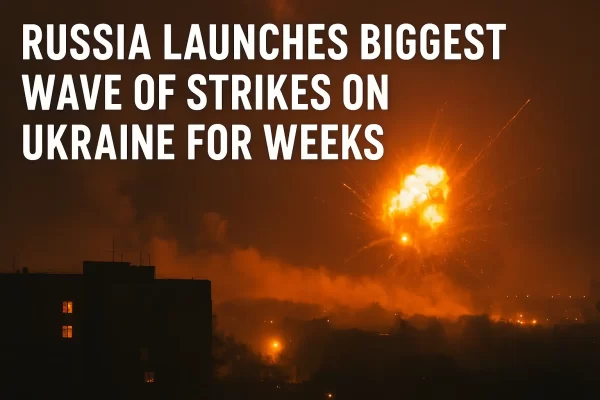
Russia launches biggest wave of strikes on Ukraine for weeks

Ukraine faced one of the heaviest nights of bombardment in weeks as Russia strikes Ukraine with a large-scale missile and drone assault across multiple regions. Ukrainian authorities reported dozens of explosions in major cities, including Kyiv, Kharkiv, Dnipro, and Odesa, marking the most intense wave of attacks since early summer. According to Ukraine’s air force, Russia launched more than 100 missiles and drones, including Kalibr cruise missiles, Iskander ballistic rockets, and Shahed drones, targeting critical infrastructure and residential areas. Air defenses intercepted the majority of incoming weapons, but several missiles penetrated, causing widespread damage. At least 12 civilians were confirmed killed, with over 40 injured, though officials warned the numbers could rise as rescue operations continued. The strikes caused blackouts in several regions, with Ukraine’s energy grid suffering renewed damage. In Kharkiv, emergency crews battled fires after residential buildings were hit. Odesa’s port facilities were also targeted, threatening grain exports vital to Ukraine’s economy and global food supplies. Meanwhile, Kyiv residents were forced into shelters for hours as air raid sirens echoed through the capital. Ukraine’s President Volodymyr Zelensky condemned the assault, calling it “another act of terror designed to break our spirit.” He emphasized that despite the scale of destruction, Ukraine’s resolve remains unshaken. “Every time Russia strikes Ukraine, it only strengthens our unity and determination to defend our country,” he said in a late-night address. International reactions were swift. The European Union and the United States condemned Moscow’s latest barrage, pledging additional air defense systems and humanitarian support. NATO Secretary-General Jens Stoltenberg described the strikes as evidence of Russia’s continued escalation, reaffirming that the alliance would not abandon Ukraine. Military analysts believe the assault is part of Russia’s strategy to weaken Ukraine’s infrastructure ahead of the winter months. Targeting energy facilities has been a recurring tactic, aiming to deprive civilians of heat and electricity. However, experts note that Ukraine’s improved air defense network, bolstered by Western-supplied systems like the Patriot and IRIS-T, has significantly reduced the effectiveness of such attacks compared to last year. Despite these defenses, the sheer volume of missiles poses a constant threat. Ukrainian officials have urged allies to accelerate the delivery of advanced systems and ammunition, warning that Russia is increasing its missile production capacity. As the war grinds on into its third year, both sides show no signs of compromise. With each escalation, the humanitarian toll deepens, leaving millions of Ukrainians displaced, without power, or living under the shadow of air raid sirens. read also Zelensky leaves White House unscathed as he buys more time For now, the world watches anxiously as Russia strikes Ukraine with growing ferocity, testing not only Ukraine’s resilience but also the resolve of its Western allies. Wabstalk

Read More