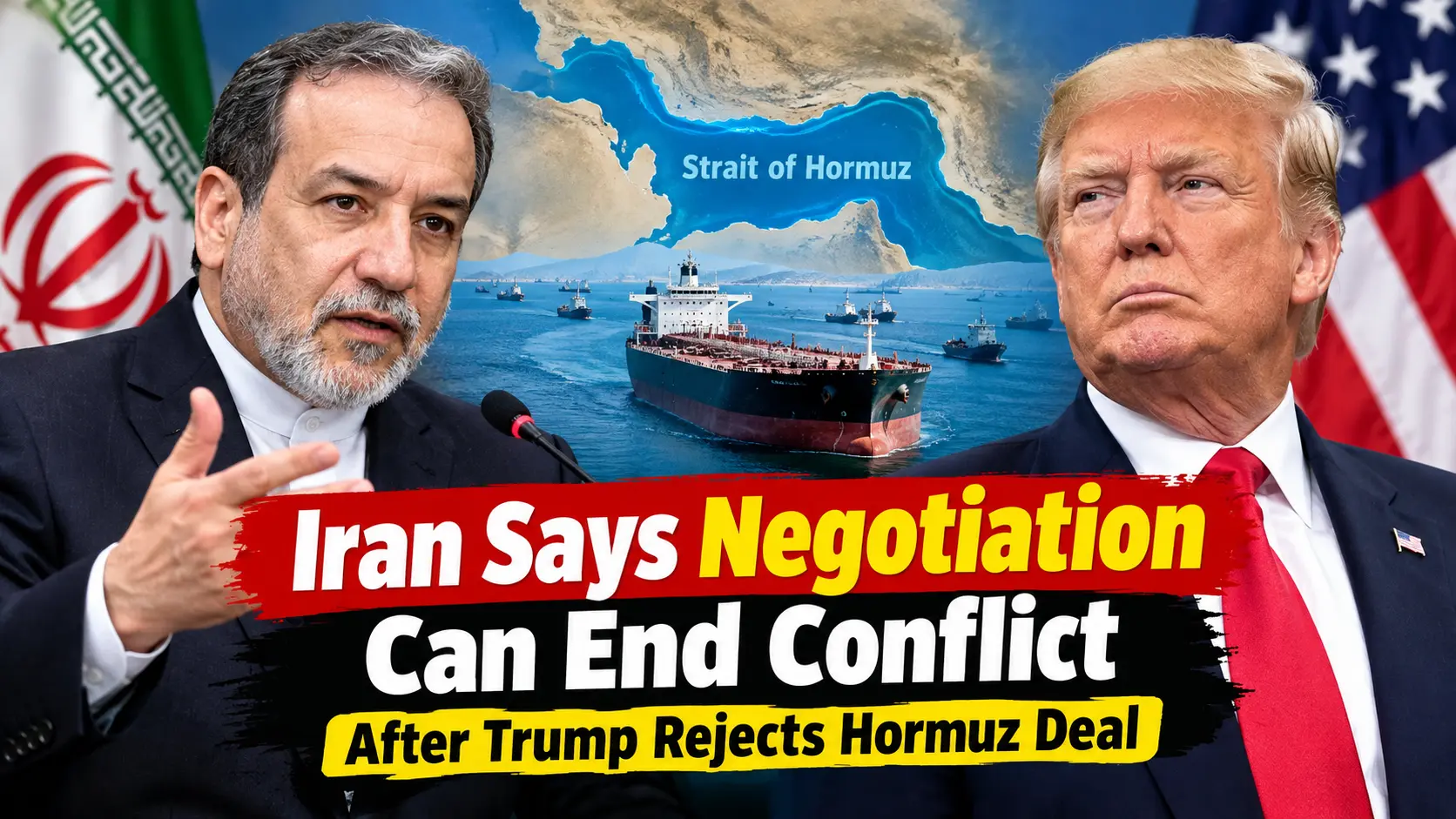
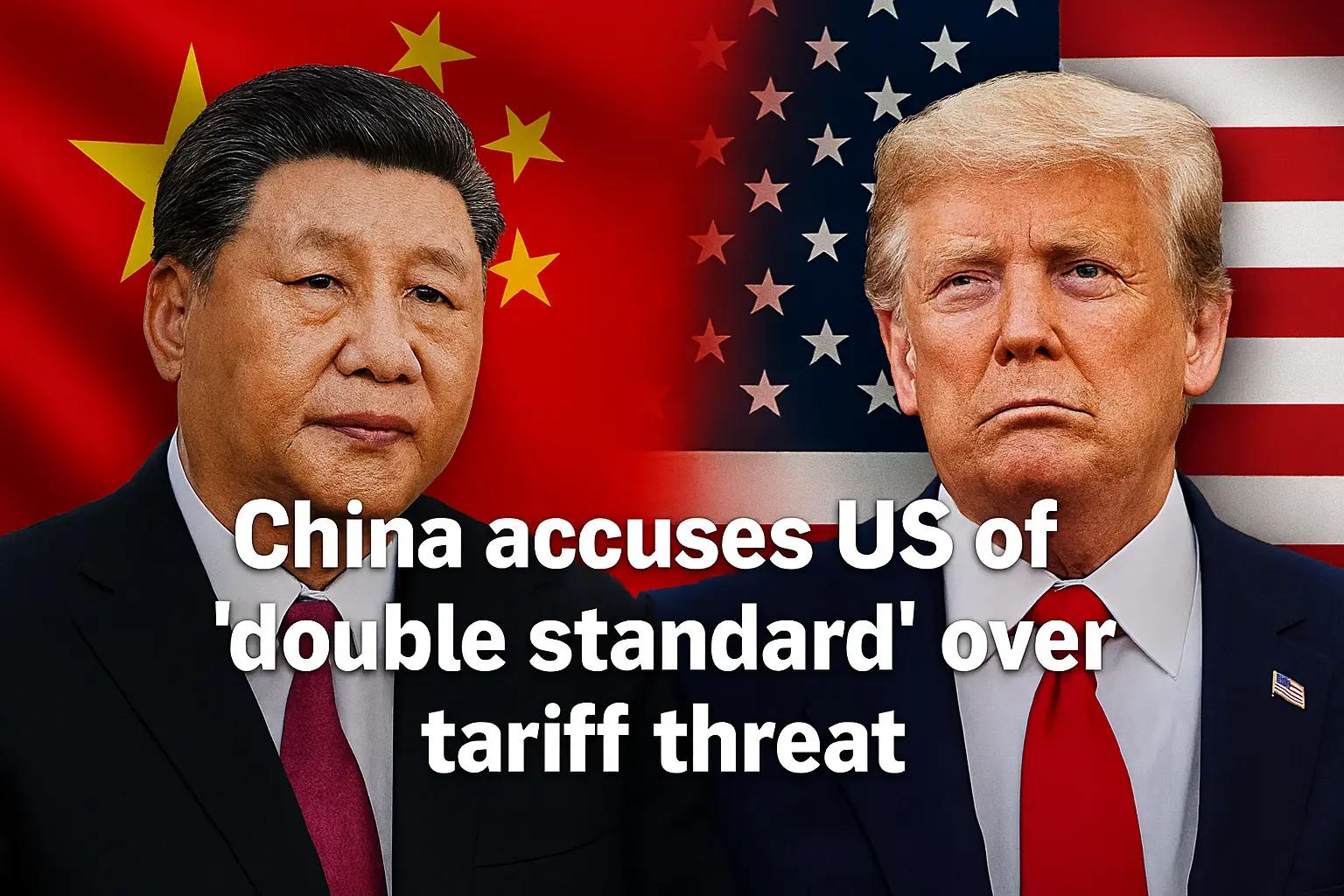
China has sharply criticised the United States for what it calls “double standards” following Washington’s latest threat to impose steep new tariffs on Chinese goods. The accusation came after former U.S. President Donald Trump, now seeking re-election, announced plans to introduce a 100% tariff on all Chinese imports if he returns to office. Beijing has denounced the move as politically motivated and damaging to global trade stability.
In a statement released by the Chinese Ministry of Commerce, officials said that the U.S. is “violating the principles of fair competition and international economic order.” The ministry accused Washington of exploiting trade measures for political gain while preaching free trade and global cooperation. “The United States cannot demand openness from others while closing its own doors,” the statement read.
The tension marks the latest escalation in the long-running U.S.-China trade dispute, which began during Trump’s first term in 2018. That trade war led to hundreds of billions of dollars in tariffs on both sides, disrupting supply chains and affecting global markets. Economists warn that a renewed round of tariffs could reignite inflationary pressures, slow global growth, and intensify geopolitical friction between the world’s two largest economies.
Chinese state media has also accused Washington of using “economic bullying tactics” to suppress China’s technological and industrial development. Commentaries in the Global Times said the U.S. was “weaponizing trade policy” to maintain its dominance, while ignoring its own protectionist measures such as subsidies to American manufacturers under the Inflation Reduction Act.
In response, U.S. officials have argued that tougher trade policies are necessary to protect domestic industries and national security. They insist that Chinese companies receive unfair advantages through state subsidies, intellectual property theft, and market manipulation. Trump’s allies claim that higher tariffs would bring back American jobs and reduce dependency on Chinese goods.
However, analysts suggest that the proposed tariffs could have far-reaching economic consequences. American consumers might face higher prices for everyday products, from electronics to clothing, while U.S. exporters could suffer retaliatory measures from Beijing. China has previously responded to tariff escalations with its own import taxes and restrictions on key U.S. industries such as agriculture.
Despite rising tensions, Chinese officials have urged dialogue and mutual respect. “Cooperation is the only correct choice,” the commerce ministry said, calling on Washington to “stop politicising trade issues and return to rational discussion.”
As the 2024 U.S. presidential race heats up, trade relations with China are once again at the centre of global attention — underscoring how deeply intertwined economics and politics have become between the two superpowers.