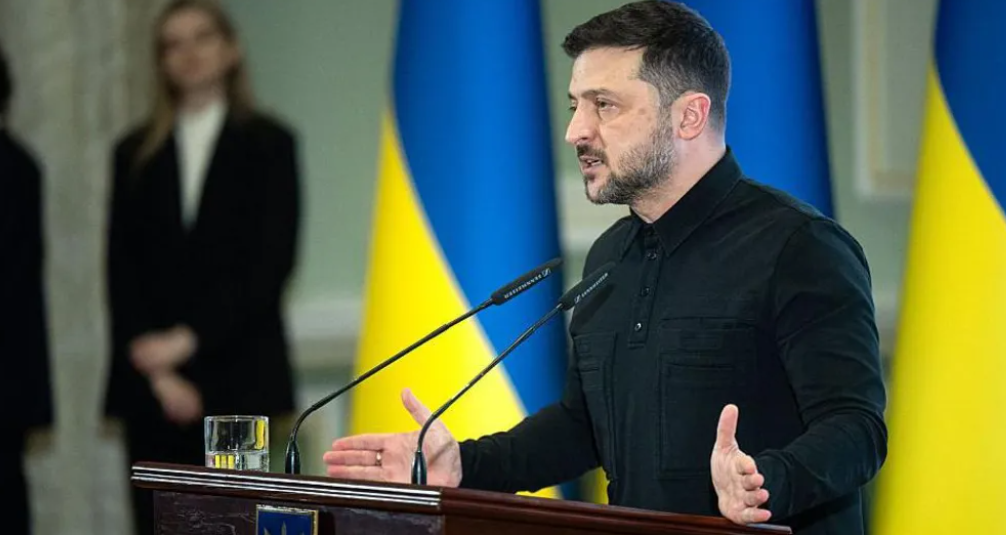
Ukrainian President Volodymyr Zelensky has unveiled a new 20-point peace plan that places strong emphasis on the creation of demilitarised zones as a pathway to ending the ongoing war with Russia. The proposal, developed in coordination with U.S. negotiators, seeks to freeze the current front line while gradually facilitating troop withdrawals and establishing neutral areas free of military presence.
At the heart of this plan is the idea that demilitarised zones could serve as buffers, reducing the risk of renewed clashes and fostering conditions for dialogue. Zelensky explained that while some aspects of the plan remain contentious, Ukraine has successfully shifted negotiations away from earlier drafts that heavily favored Russian demands. The revised framework now reflects a more balanced Ukrainian-American position, though Moscow’s response is still pending.
The peace plan also includes security guarantees from Western allies, modeled on NATO’s Article Five, to ensure Ukraine’s protection in case of future aggression. These guarantees are designed to reassure Kyiv that any compromise on territorial or military issues will not leave the country vulnerable. Zelensky acknowledged that compromises are difficult, but he stressed that the plan represents progress toward a diplomatic solution.
Critics argue that Russia may resist the demilitarised zones concept, given its insistence on territorial control. However, Zelensky’s move signals a pragmatic approach: freezing the battlefield, reducing immediate violence, and opening space for longer-term negotiations. For Ukraine, the establishment of demilitarised zones is not just a tactical measure but a strategic attempt to secure peace while safeguarding sovereignty.
In summary, Zelensky’s latest peace initiative highlights demilitarised zones as a cornerstone of conflict resolution, aiming to balance military realities with diplomatic aspirations and international secu