
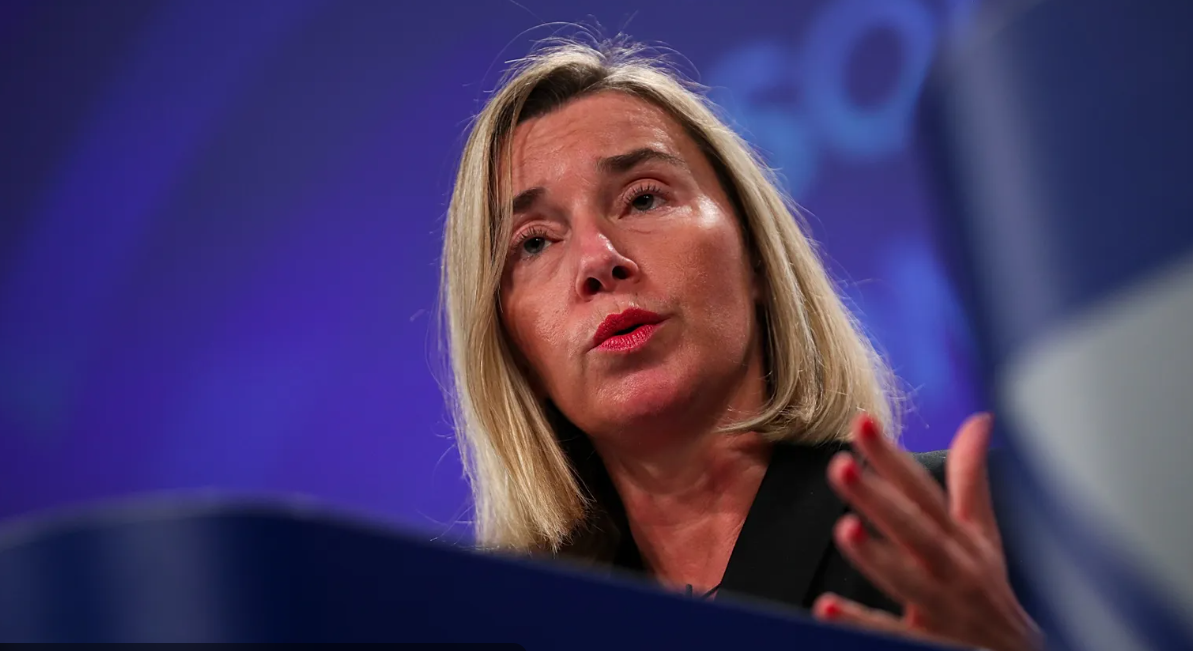
Federica Mogherini, the former European Union foreign-policy chief, is at the centre of a widening Mogherini fraud investigation that has shaken EU institutions and raised serious concerns about procurement integrity within the bloc. The case revolves around allegations of procurement fraud, corruption, conflict of interest, and unauthorized disclosure of confidential information linked to an EU-funded diplomatic training programme.
Authorities say the investigation concerns a 2021–2022 tender issued by the European External Action Service for the creation of a new EU Diplomatic Academy. The contract was awarded to the College of Europe in Belgium, an elite postgraduate institution where Mogherini has served as rector since 2020. Investigators are examining whether privileged information was improperly shared with the College before the tender officially opened, potentially giving it an unfair competitive edge.
Belgian federal police, acting on instructions from the European Public Prosecutor’s Office, conducted coordinated raids on multiple locations. These included the EEAS headquarters in Brussels, the College of Europe campus in Bruges, and private homes belonging to the suspects. During the operation, Mogherini and two other senior officials — one from the European Commission and one from the College — were detained for questioning.
Following interrogation, all three individuals were formally informed of the allegations against them. They were released the same day, as investigators determined none of them posed a flight risk. Despite the gravity of the accusations, each of the suspects remains presumed innocent while the inquiry proceeds.
The case has triggered significant alarm within EU leadership circles. The diplomatic academy programme was intended to strengthen the EU’s global diplomatic capacity by providing high-level training to early-career diplomats. The possibility that such a flagship initiative may have been compromised by irregularities has sparked criticism about transparency, oversight, and the use of EU public funds.
Within academic circles, the investigation is also viewed as a reputational crisis for the College of Europe, an institution long regarded as a cornerstone of European policy education. Critics argue that the situation exposes broader structural vulnerabilities in how the EU awards contracts to institutions with deep political connections.
As the Mogherini fraud investigation continues, prosecutors are working to determine whether procurement rules were deliberately manipulated and whether corrupt practices were employed to influence the tender’s outcome. The findings could carry significant political consequences and may prompt reforms aimed at tightening accountability within EU bodies.
For now, the investigation remains ongoing, and no formal charges have been proven in court. The case is expected to develop further in the coming weeks as investigators analyse seized documents and communications