Members of Trump’s cabinet remained on decoy plane, after president’s quiet exit
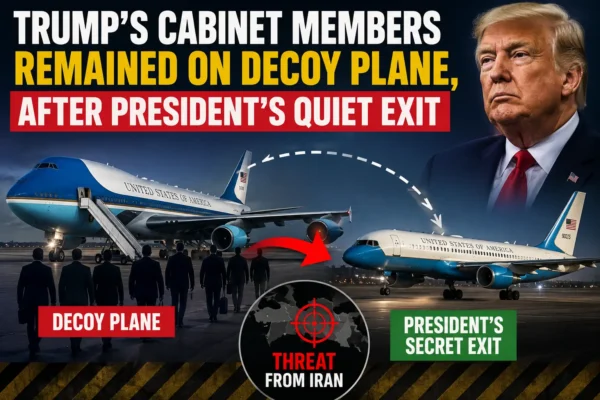
President Donald Trump was secretly moved to another aircraft during his recent departure from Turkey, while several senior officials, White House staff and journalists remained aboard the plane they believed was carrying him. The unusual security operation was reportedly designed to protect the president from a credible threat linked to Iran. After attending a NATO summit in Ankara, Trump publicly boarded the older Air Force One, creating the impression that he would leave Turkey on the aircraft. However, security officials had arranged a covert switch. Trump was reportedly taken from the aircraft using an airport catering vehicle and transported to a smaller C-32A military jet. Defense Secretary Pete Hegseth also traveled separately with Trump. Meanwhile, members of Trump’s administration and the press corps stayed on the original aircraft. Reports identified senior officials including Secretary of State Marco Rubio, Treasury Secretary Scott Bessent and deputy White House chief of staff Stephen Miller as being among those aboard the decoy plane. The aircraft then departed Turkey without Trump, helping create uncertainty about his actual location. The operation reportedly followed intelligence indicating a potential threat against Trump. Security officials were concerned that the president’s movements could be monitored and that a recognizable aircraft might become a target. Trump later acknowledged that he had been moved because of security concerns, saying he faced serious threats. The revelation has raised questions about the risks faced by officials and journalists who unknowingly remained on the decoy aircraft. Supporters of the operation argue that presidential security can require deception and secrecy, while critics have questioned whether everyone aboard the aircraft was adequately informed about the potential danger. The incident highlights the extraordinary security measures surrounding presidential travel and the continuing concerns over threats against Trump.