Trump Strait of Hormuz blockade threat risks

Trump Strait of Hormuz blockade threat risks

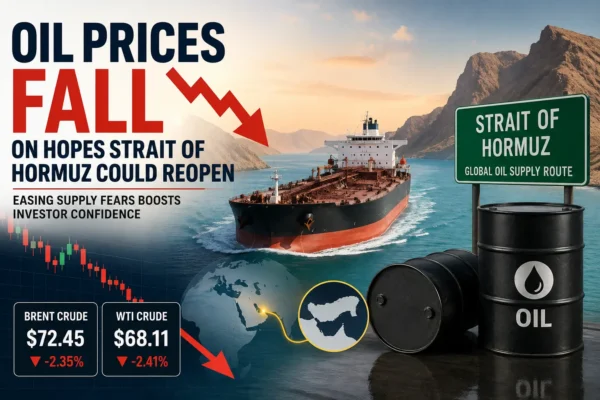
Donald Trump’s renewed threat to impose a blockade on the Strait of Hormuz has heightened geopolitical risks while doing little to resolve the underlying tensions in the region. The strategic waterway, through which nearly a fifth of the world’s oil supply passes, remains a focal point of confrontation between the United States and Iran, with both sides maintaining hardline positions. Trump’s rhetoric signals a willingness to escalate economic and military pressure on Tehran, framing the potential blockade as a means to enforce compliance with existing agreements and ensure freedom of navigation. However, analysts warn that such a move could backfire, triggering retaliatory actions from Iran and further destabilizing global energy markets. Even the suggestion of restricting access to the strait has already contributed to volatility in oil prices and shipping routes. Iran, for its part, has consistently warned that any attempt to block or control the Strait of Hormuz would be met with a strong response. Iranian officials argue that the waterway is vital to their national security and economic survival, and they have demonstrated both the capability and intent to disrupt maritime traffic if provoked. This creates a high-stakes standoff where miscalculation could quickly escalate into direct conflict. Despite the aggressive posturing, the fundamental issues between Washington and Tehran remain unresolved. Disputes over sanctions, regional influence, and security guarantees continue to stall meaningful progress. Trump’s blockade threat, rather than advancing negotiations, appears to reinforce entrenched positions on both sides. International stakeholders, including major oil-importing nations, are increasingly concerned about the potential fallout. A prolonged disruption in the Strait of Hormuz would have far-reaching consequences for global trade and energy security, amplifying the urgency for diplomatic solutions. In essence, while Trump’s threat underscores the seriousness of the situation, it leaves the core predicaments unchanged—highlighting a cycle of pressure and resistance with no clear path to resolution. Join our courses

Read More
Donald Trump

Trump tells the UK and other countries ‘go get your own oil’ from Strait of Hormuz

Former U.S. President Donald Trump has sparked fresh geopolitical debate after telling the United Kingdom and other allied nations to “go get your own oil” from the strategically critical Strait of Hormuz. His remarks come amid escalating tensions in the Middle East, where threats to maritime security have raised concerns about global energy supplies and economic stability. The Strait of Hormuz, a narrow waterway between Iran and Oman, handles roughly a fifth of the world’s oil shipments. Any disruption in this corridor can send shockwaves through global markets, pushing up oil prices and increasing inflationary pressures worldwide. Trump’s comments suggest a more isolationist stance, implying that the U.S. may reduce its traditional role in securing international shipping lanes, a responsibility it has long upheld through its naval presence in the region. The statement has drawn mixed reactions from global leaders. Officials in the UK, including representatives of UK Government, have emphasized the importance of collective security and cooperation in safeguarding critical infrastructure. Analysts argue that a fragmented approach could embolden regional actors and increase the risk of conflict, particularly involving Iran, which has previously threatened to restrict passage through the strait during periods of heightened tension. Energy experts warn that any shift in U.S. policy could have significant implications for global oil markets. European and Asian economies, heavily reliant on Middle Eastern oil, may face increased costs and supply uncertainty if security responsibilities are redistributed. Meanwhile, countries may be forced to boost their own naval capabilities or seek alternative energy routes and suppliers. Trump’s remarks underscore a broader debate about burden-sharing among Western allies and the future of global security commitments. As tensions continue to simmer, the stability of the Strait of Hormuz remains a focal point for policymakers, with far-reaching consequences for international trade, energy security, and geopolitical balance.

Read More
Trump Iran warning

Trump says world has 10 days to see if Iran deal reached

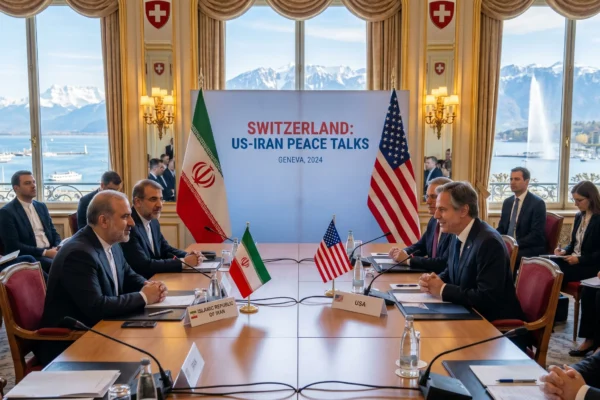
Donald Trump has said the world has roughly 10 days to determine whether a new agreement can be reached with Iran, warning that failure to secure a deal could lead to serious consequences, including potential military escalation. His remarks come as tensions rise over Tehran’s nuclear program and ongoing diplomatic efforts involving the United States and international partners. Speaking after recent negotiations, Trump described the discussions as “productive but complicated,” emphasizing that Washington is seeking a comprehensive agreement that would permanently prevent Iran from obtaining nuclear weapons. He stressed that any deal must include strict limitations on uranium enrichment, expanded international inspections, and constraints on Iran’s missile development capabilities. According to Trump, previous diplomatic frameworks were inadequate, and the new proposal must deliver stronger guarantees. Indirect talks between American and Iranian officials have reportedly taken place in Geneva, where mediators are attempting to bridge longstanding disagreements. Iran continues to maintain that its nuclear activities are intended for civilian energy purposes, while rejecting demands to scale back certain defense programs it considers essential to national sovereignty. These conflicting positions remain a major obstacle to a breakthrough. Meanwhile, the United States has increased its military readiness in the Middle East, deploying additional naval and air assets to the region. Analysts view the buildup as both a pressure tactic in negotiations and a contingency measure should diplomacy fail. The possibility of confrontation has raised global concern, with several governments urging restraint and renewed diplomatic engagement to avoid a wider conflict. Despite his warning, Trump reiterated that his preferred outcome is a peaceful resolution. However, his 10-day timeframe underscores the urgency of the situation and signals that the coming days could be decisive for regional stability and international security.

Read More
Russia-Ukraine peace talks

Difficult’ Russia-Ukraine peace talks end without breakthrough

The latest round of Russia-Ukraine peace talks concluded in Geneva without delivering any meaningful progress toward ending the ongoing war. Over two days of negotiations, Ukrainian President Volodymyr Zelensky described the discussions as “difficult,” accusing Moscow of deliberately stalling the process. The talks, mediated by U.S. envoys, were expected to explore pathways toward a ceasefire and long-term settlement, but they ended abruptly after less than two hours on the second day. Ukrainian officials stressed their commitment to pursuing peace but voiced frustration at Russia’s reluctance to engage constructively. Zelensky emphasized that Kyiv’s delegation had been tasked with maximizing opportunities for peaceful solutions, yet Moscow appeared intent on dragging out negotiations. The Kremlin, meanwhile, maintained its position that Ukraine must make concessions, particularly regarding territorial disputes, which remain the central obstacle to progress. The Geneva talks were part of a U.S.-brokered initiative aimed at reducing tensions and finding common ground. Despite international pressure, both sides left without agreeing on concrete steps forward. Analysts highlight that the failure underscores the complexity of achieving a ceasefire, given the entrenched military and political positions. With the fourth anniversary of Russia’s full-scale invasion approaching, the lack of progress raises concerns about prolonged instability in Europe. Observers warn that continued stalemate could deepen humanitarian crises and further destabilize regional security. While the talks ended without breakthrough, both sides acknowledged that dialogue must continue, leaving open the possibility of future negotiations.

Read More
Russia Ukraine war end June

US wants Russia and Ukraine to end war by June, says Zelensky

Ukrainian President Volodymyr Zelensky has said the United States is pushing for Russia and Ukraine to bring the ongoing war to an end by June, highlighting growing international pressure to secure a ceasefire after nearly four years of devastating conflict. Speaking during a recent briefing, Zelensky said Washington believes the coming months represent a critical window for diplomacy, as battlefield fatigue, economic strain, and global security concerns continue to mount. According to the Ukrainian leader, the US hopes intensified talks could lead to at least a temporary halt in fighting, paving the way for broader peace negotiations. The Russia Ukraine war end June timeline reflects rising urgency among Western allies, who are seeking to prevent further escalation while managing the humanitarian and economic fallout of the conflict. Zelensky stressed that Ukraine remains open to diplomatic efforts but warned that any agreement must protect the country’s sovereignty and territorial integrity. He also reiterated that Kyiv will not accept a settlement imposed under military pressure. Ukrainian officials continue to demand firm security guarantees and accountability for war-related damages, while Russia has maintained its own conditions for negotiations. The war has caused widespread destruction across Ukraine, displaced millions, and reshaped global energy and food markets. As both sides prepare for another challenging spring on the battlefield, international mediators are stepping up efforts to restart meaningful dialogue. US officials are reportedly coordinating closely with European partners to encourage confidence-building measures, including prisoner exchanges and humanitarian corridors, as potential first steps toward de-escalation. Zelensky emphasized that lasting peace will require more than a ceasefire, calling for a comprehensive framework that addresses reconstruction, security, and justice. He added that Ukraine will continue working with its allies to ensure any talks are grounded in international law. With June emerging as a potential diplomatic milestone, the coming weeks may prove decisive in determining whether the war moves closer to resolution—or enters another prolonged phase.

Read More
India–US trade deal

Hope and uncertainty as India and US strike long-delayed trade deal

India and the United States have finally reached a long-awaited trade agreement, marking a significant milestone in bilateral relations and raising hopes of stronger economic cooperation. Announced after months of intense negotiations, the deal is being seen as a breakthrough that could ease trade tensions, boost exports, and deepen strategic ties between the world’s largest democracy and its biggest economy. Markets reacted positively to the news, with Indian equities and the rupee showing immediate gains. Export-oriented sectors such as textiles, engineering goods, and jewellery are expected to benefit from reduced tariffs and improved access to the US market. Business leaders in both countries welcomed the agreement, calling it a step toward greater stability and predictability in cross-border commerce. Despite the optimism, uncertainty continues to surround key aspects of the pact. Several details remain unclear, including the full scope of tariff cuts, timelines for implementation, and how sensitive sectors like agriculture and dairy will be protected. Analysts caution that while the headline agreement is encouraging, its real impact will depend on the fine print and how effectively both governments follow through on commitments. There are also geopolitical dimensions to consider. Energy cooperation and India’s oil sourcing policies have reportedly featured in discussions, reflecting Washington’s broader strategic priorities. At home, Indian opposition parties have raised concerns about whether small farmers and domestic industries could face increased competition. For the United States, the deal represents an effort to strengthen economic ties with a key Indo-Pacific partner, while India sees it as an opportunity to attract investment, expand exports, and position itself as a reliable global manufacturing hub. Ultimately, the trade agreement signals renewed momentum in India–US relations. Yet it remains a delicate balancing act between opportunity and risk. As both sides move toward implementation, businesses and policymakers alike will be watching closely to see whether this long-delayed deal delivers lasting economic gains or becomes another chapter of unfinished promises WABS TALK . EU adds Iran’s Revolutionary Guards to terrorist list.

Read More
DOJ Epstein Files Release

US justice department releasing more than three million pages from Epstein files

On January 30, 2026, the U.S. Justice Department announced a major disclosure of documents in its ongoing probe into convicted sex offender Jeffrey Epstein, releasing more than three million pages of records as part of a mandated transparency effort under the Epstein Files Transparency Act. Deputy Attorney General Todd Blanche said the release includes a large volume of material — over 2,000 videos and about 180,000 images — drawn from the department’s investigations, which span more than two decades of probes in Florida and New York, as well as related inquiries into Epstein’s network and activities. Although the law required all unclassified documents to be made public by December 19, 2025, the Justice Department missed that deadline due to the enormity of the review and redaction process. Hundreds of attorneys were tasked with examining the material to properly redact personally identifying information of victims, sensitive law enforcement details, and content that could jeopardize ongoing investigations. Blanche emphasized that while extensive redactions were necessary — including removing the identities of all women in images except Ghislaine Maxwell — the department did not withhold records for political reasons, dismissing claims of shielding any individual from scrutiny. The released files add to previously disclosed batches and represent a significant step in fulfilling the department’s legal obligations under the new transparency law, even as some material remains subject to further review or restricted access by Congress. The surge of public attention around the case — driven by both the scale of the release and the high-profile figures referenced in some records — follows widespread criticism from lawmakers and advocacy groups who had pressed the Justice Department for a more complete disclosure of Epstein-related materials. EU adds Iran’s Revolutionary Guards to terrorist list

Read More
Minneapolis immigration agents shooting

One dead after Minneapolis shooting involving immigration agents

A fatal shooting in Minneapolis, Minnesota, involving U.S. federal immigration agents has resulted in the death of one person, according to multiple media reports and hospital records. The incident occurred on January 24, 2026, at the intersection of East 26th Street and Nicollet Avenue South during a broader immigration enforcement operation led by U.S. Immigration and Customs Enforcement (ICE) agents. A 51-year-old man who was shot in the chest by an ICE agent was taken to a local hospital and later pronounced dead, marking another deadly encounter in the city amid heightened federal enforcement activity. Local law enforcement sources and eyewitness accounts indicate that federal agents were engaged in a mission tied to expanded immigration operations when the confrontation occurred. Officials from the Department of Homeland Security later stated that the man was armed and that a firearm with two magazines was recovered at the scene. This assertion has been cited in official statements as justification for the use of deadly force, though further details have not yet been independently confirmed. The shooting follows earlier controversial incidents involving immigration officers in Minneapolis. On January 7, 2026, an ICE agent fatally shot Renée Nicole Good, a 37-year-old U.S. citizen and mother, during an encounter on Portland Avenue South. Accounts from local authorities and federal officials have sharply differed over whether she posed an imminent threat at the time of the shooting, adding to public concern and scrutiny. Both deaths have intensified unrest in the city, prompting protests and renewed calls from Minnesota officials for federal immigration enforcement actions to be paused. Governor Tim Walz condemned the January 24 shooting as “sickening” and urged the Trump administration to halt the current enforcement campaign in the state, arguing that it endangers community safety and undermines public trust. The situation remains fluid, with investigations ongoing and community reactions continuing. The incidents have reignited a national debate over the use of force by federal agents in densely populated urban areas and the level of oversight applied to immigration enforcement operations.

Read More
Ukraine peace talks

US optimistic on end to war as Zelensky says Ukraine to talk to US and Russia

The United States has expressed cautious optimism that the war in Ukraine could move closer to an end, as President Volodymyr Zelensky confirmed that Kyiv is preparing to engage in talks involving both Washington and Moscow. The comments signal a potential diplomatic opening after months of intense fighting, stalled negotiations, and growing international concern over the long-term costs of the conflict. US officials say recent diplomatic contacts and behind-the-scenes discussions have created a window for dialogue, even as military operations continue on the ground. Washington has stressed that any peace process must respect Ukraine’s sovereignty and territorial integrity, while also being grounded in realistic security guarantees that can prevent a renewed conflict in the future. American officials have framed their optimism carefully, acknowledging that previous attempts at talks have failed and that trust between the parties remains extremely low. Zelensky, speaking to reporters, said Ukraine is ready to participate in discussions that include both the United States and Russia, but made clear that Kyiv’s core principles have not changed. He emphasized that Ukraine will not accept any settlement imposed without its consent and that talks must focus on ending hostilities while ensuring long-term stability. According to Zelensky, US involvement is critical to balancing negotiations and ensuring that Ukraine’s interests are fully represented. Russia has not publicly detailed its position on the proposed talks, though officials in Moscow have repeatedly said they are open to dialogue under what they describe as “new realities” on the ground. Analysts warn that this gap in expectations could complicate negotiations, particularly on sensitive issues such as territorial control, sanctions, and security arrangements. For now, the prospect of Ukraine peace talks has raised cautious hopes among allies and international observers. While major obstacles remain, the willingness of Kyiv, Washington, and potentially Moscow to re-engage diplomatically suggests that efforts to end the war are entering a new, if uncertain, phase.

Read More
Trump first-year wins

Trump touts first-year wins at White House as Macron warns of shift to ‘world without rules

US President Donald Trump used a White House address to highlight what he described as major achievements in his first year back in office, as French President Emmanuel Macron warned that the world may be entering a “world without rules,” marked by growing power politics and weakened international norms. Speaking alongside senior officials and supporters, Trump argued that his administration had delivered swift results on the economy, border security and US global influence. He pointed to tougher immigration enforcement, new trade terms aimed at protecting American industry, and renewed pressure on allies to increase defence spending. Trump said these moves demonstrated that the United States was “leading again” and no longer constrained by agreements he considers unfair. The White House message focused heavily on sovereignty and national interest, with Trump insisting that strong borders and transactional diplomacy were essential to restoring American strength. He framed his first-year record as proof that unilateral action, rather than multilateral consensus, produces faster outcomes. In contrast, Macron struck a more cautionary tone in a separate address, warning that international rules built after the Second World War are being steadily eroded. He argued that the rise of great-power rivalry, combined with selective respect for international law, risks creating a global order driven more by force than cooperation. Without shared rules, Macron said, smaller states become more vulnerable and conflicts harder to contain. The contrasting messages highlight a widening philosophical gap between Washington and key European partners. While Trump’s approach prioritises immediate national gains and flexibility, European leaders continue to emphasise institutions, alliances and predictable rules as foundations of stability. Analysts say the debate goes beyond personalities, reflecting a broader struggle over how power should be exercised in an increasingly fragmented world. As Trump promotes his first-year wins as evidence of effective leadership, Macron’s warning underscores European fears that a rules-based order is giving way to a more volatile and uncertain global landscape.

Read More