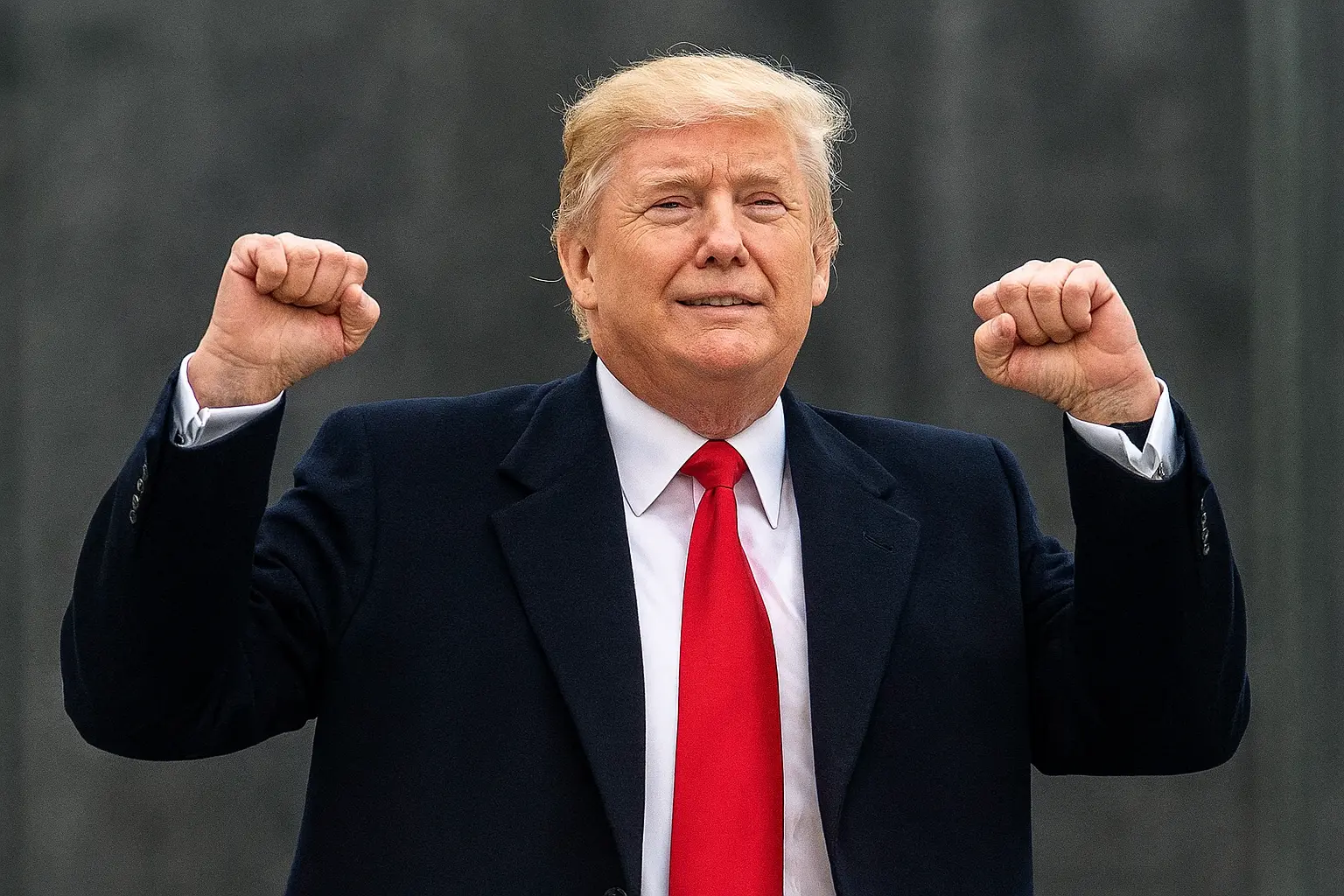
Former President Donald Trump has declared victory following the abrupt end of the U.S. government shutdown, framing the outcome as a political setback for Democrats and a reaffirmation of his influence over national politics. The shutdown, which lasted 12 days, ended after Congress passed a bipartisan funding measure to keep the government open through the fiscal year. However, the political repercussions have begun to surface, with Democrats facing internal divisions and criticism over how they managed the crisis.
Trump, speaking at a rally in Ohio, described the resolution as proof that Democrats had “no strategy, no leadership, and no message.” He argued that the party’s failure to secure any significant policy wins during the shutdown demonstrated what he called “a complete collapse of the radical left’s agenda.” Supporters at the rally cheered as Trump claimed the standoff had strengthened his image as a dealmaker capable of pressuring opponents to concede.
Inside the Democratic Party, frustration has reportedly grown among lawmakers and strategists. Progressives criticized party leaders for agreeing to reopen the government without achieving key objectives, such as expanded funding for social programs or immigration reforms. Moderate Democrats, meanwhile, have urged a shift toward pragmatic negotiation rather than confrontation, fearing that prolonged shutdowns could alienate independent voters ahead of the next election cycle.
Political analysts suggest the episode could deepen the divide between progressive and centrist factions within the Democratic Party. Several commentators noted that while Republicans also faced public backlash during the early days of the shutdown, the resolution’s outcome has allowed Trump to reshape the narrative, portraying himself as the figure who brought Washington back to order.
The White House has capitalized on the moment, releasing statements crediting Trump with “restoring stability and accountability.” Administration officials have emphasized that the president’s stance during negotiations reflected his broader campaign promise to protect taxpayers from what he calls “reckless Democratic spending.”
On Capitol Hill, some Democrats have attempted to downplay the perceived loss, insisting that reopening the government was necessary to protect federal workers and prevent further economic disruption. Yet, privately, aides acknowledge that the episode has left the party searching for a clearer messaging strategy.
As Trump continues to dominate headlines and shape the post-shutdown political narrative, Democrats are now turning their focus toward repairing internal unity and preparing for upcoming budget debates. The shutdown’s end may have restored government operations, but it also reignited questions about leadership, strategy, and the shifting balance of power in Washington.