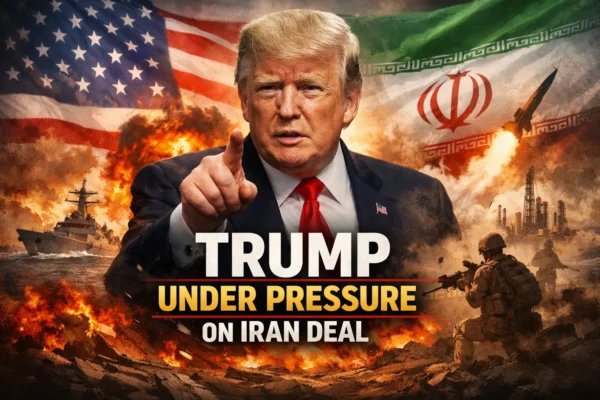
Trump warns Iran time is running out

Trump warns Iran ‘time is running out’ for nuclear deal as US military builds up in Gulf

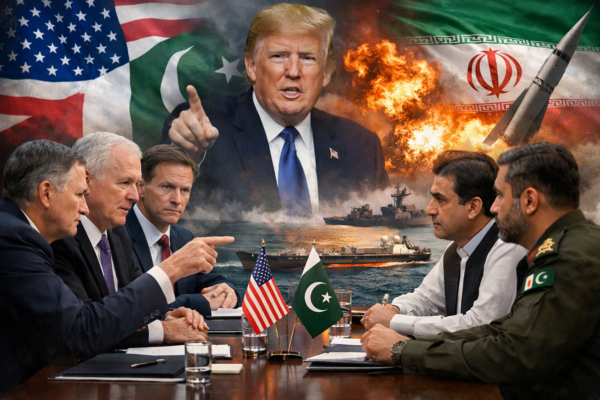
President Donald Trump has issued a stark warning to Iran that “time is running out” for Tehran to negotiate a fresh nuclear deal, intensifying one of the most serious diplomatic standoffs between Washington and Tehran in years. Trump used his Truth Social platform to demand that Iran return to negotiations on its nuclear programme under terms that would completely bar nuclear weapons development. He framed the ultimatum as urgent, urging Tehran to “come to the table” before diplomatic avenues close and military action becomes unavoidable. Alongside this warning, the United States has deployed a significant military buildup in the Persian Gulf region, centred on a “massive armada” led by the aircraft carrier USS Abraham Lincoln. Trump described the force as “ready, willing, and able to rapidly fulfil its mission with speed and violence, if necessary,” underscoring that diplomatic pressure is being backed by a credible military posture. In his message, Trump referenced past U.S. strikes on Iranian nuclear facilities during the 2025 conflict and warned that “the next attack will be far worse” if Iran refuses to negotiate. Tehran has rebuffed what it calls diplomacy under threat, insisting that negotiations must occur without military pressure and that it will defend itself if attacked. Iranian officials have rejected recent U.S. overtures and described Washington’s approach as ineffective and confrontational. The current crisis is unfolding amid broader regional and global concern over Iran’s nuclear trajectory, internal unrest, and the growing risk that further escalation could ignite a wider Middle East conflict. U.S. allies in the region have urged restraint while quietly strengthening their own defences. Some governments remain reluctant to host American military operations, complicating Washington’s strategic options. With tensions rising, Trump has made clear that his administration prefers a negotiated settlement — but only on strict terms. As military forces gather in the Gulf and rhetoric hardens on both sides, the coming weeks may prove decisive in determining whether diplomacy prevails or the standoff slides toward open confrontation.

Read More
Iran warns it will retaliate if US attacks

Iran warns it will retaliate if US attacks as protesters defy crackdown

Iran issued a stark warning that it will retaliate if the United States attacks, as nationwide protests continued despite an increasingly severe government crackdown. The warning came from Parliament Speaker Mohammad Baqer Qalibaf, who told lawmakers that any U.S. military strike on Iranian territory would be met with force against U.S. and allied interests, including regional military bases and Israel, which Tehran labels “legitimate targets” in such an event. This threat underscores the heightened tension between Tehran and Washington amid one of the most sustained protest movements in years. The demonstrations began in late December in response to deepening economic hardship, especially soaring inflation, and have spread to more than 100 cities and towns. Protesters are demanding systemic change, even as state authorities escalate their response with lethal force, mass arrests, and a widespread internet blackout that limits outside reporting. Verified videos show fierce clashes between protesters and security forces in major cities. U.S. President Donald Trump has publicly expressed support for the demonstrators, saying the United States “stands ready to help” and warning Iran that any further killings could provoke a strong response. In parliament, some Iranian lawmakers responded to the U.S. rhetoric with chants of “Death to America,” reflecting hardline sentiment within the regime. Iranian authorities have also toughened domestic rhetoric, with the attorney general declaring participants in the protests as “enemies of God,” a designation under Iranian law that carries the death penalty. Despite escalating violence and significant casualties, protesters continue to defy the crackdown, pressing ahead with demonstrations that show widespread public discontent with the clerical establishment. The situation remains volatile, with the potential for international military escalation if diplomatic or political solutions are not pursued.

Read More