Famine in Gaza City

Famine confirmed in Gaza City is ‘failure of humanity’, UN chief says

The United Nations has confirmed that famine is now taking hold in Gaza City, with Secretary-General António Guterres calling it a “failure of humanity” and an urgent wake-up call for the international community. The declaration follows weeks of mounting evidence of widespread hunger, collapsing food systems, and mass displacement in the war-torn territory. According to the UN’s latest food security assessment, more than half of Gaza’s population is experiencing catastrophic levels of food insecurity. In Gaza City, the devastation is most acute, with children and vulnerable groups facing the brunt of starvation. Humanitarian organizations report that many families have gone days without food, relying on unsafe water and whatever scraps they can find for survival. Guterres described the situation as both “entirely preventable” and “man-made,” stressing that aid convoys have faced repeated blockages, delays, and security risks. “This famine in Gaza City is not the result of drought or natural disaster—it is the result of relentless conflict, restrictions, and a breakdown in basic humanitarian law,” he said during a press briefing in New York. Aid agencies have long warned that Gaza was on the brink of famine due to continued military operations, damaged infrastructure, and restricted access to life-saving supplies. The confirmation by the UN’s Integrated Food Security Phase Classification (IPC) means the crisis has reached the most severe level on its scale, indicating extreme hunger and high mortality rates. The World Food Programme (WFP) has called for immediate and unrestricted humanitarian access, while UNICEF has warned of irreversible consequences for children, including stunted growth, disease, and death. “Children are paying the highest price of this war,” said Catherine Russell, UNICEF’s Executive Director. International reaction has been swift but divided. Some world leaders have urged for an immediate humanitarian ceasefire to allow aid deliveries, while others maintain that security conditions must be addressed first. Human rights groups argue that political disagreements cannot justify the starvation of civilians. Meanwhile, health officials in Gaza City report that hospitals are overwhelmed with malnourished patients, many of whom arrive too late to receive effective treatment. Medical supplies remain critically low, compounding the crisis and increasing preventable deaths. The famine declaration underscores the urgent need for coordinated international action. The UN chief reiterated his call for an immediate ceasefire, safe humanitarian corridors, and accountability for those obstructing aid. “History will judge us harshly if we fail to act,” Guterres warned. As famine grips Gaza City, the world faces a defining moral test: whether to prioritize political agendas or the survival of millions trapped in an unfolding humanitarian catastrophe.

Read More
Russia strikes Ukraine

Russia launches biggest wave of strikes on Ukraine for weeks

Ukraine faced one of the heaviest nights of bombardment in weeks as Russia strikes Ukraine with a large-scale missile and drone assault across multiple regions. Ukrainian authorities reported dozens of explosions in major cities, including Kyiv, Kharkiv, Dnipro, and Odesa, marking the most intense wave of attacks since early summer. According to Ukraine’s air force, Russia launched more than 100 missiles and drones, including Kalibr cruise missiles, Iskander ballistic rockets, and Shahed drones, targeting critical infrastructure and residential areas. Air defenses intercepted the majority of incoming weapons, but several missiles penetrated, causing widespread damage. At least 12 civilians were confirmed killed, with over 40 injured, though officials warned the numbers could rise as rescue operations continued. The strikes caused blackouts in several regions, with Ukraine’s energy grid suffering renewed damage. In Kharkiv, emergency crews battled fires after residential buildings were hit. Odesa’s port facilities were also targeted, threatening grain exports vital to Ukraine’s economy and global food supplies. Meanwhile, Kyiv residents were forced into shelters for hours as air raid sirens echoed through the capital. Ukraine’s President Volodymyr Zelensky condemned the assault, calling it “another act of terror designed to break our spirit.” He emphasized that despite the scale of destruction, Ukraine’s resolve remains unshaken. “Every time Russia strikes Ukraine, it only strengthens our unity and determination to defend our country,” he said in a late-night address. International reactions were swift. The European Union and the United States condemned Moscow’s latest barrage, pledging additional air defense systems and humanitarian support. NATO Secretary-General Jens Stoltenberg described the strikes as evidence of Russia’s continued escalation, reaffirming that the alliance would not abandon Ukraine. Military analysts believe the assault is part of Russia’s strategy to weaken Ukraine’s infrastructure ahead of the winter months. Targeting energy facilities has been a recurring tactic, aiming to deprive civilians of heat and electricity. However, experts note that Ukraine’s improved air defense network, bolstered by Western-supplied systems like the Patriot and IRIS-T, has significantly reduced the effectiveness of such attacks compared to last year. Despite these defenses, the sheer volume of missiles poses a constant threat. Ukrainian officials have urged allies to accelerate the delivery of advanced systems and ammunition, warning that Russia is increasing its missile production capacity. As the war grinds on into its third year, both sides show no signs of compromise. With each escalation, the humanitarian toll deepens, leaving millions of Ukrainians displaced, without power, or living under the shadow of air raid sirens. read also Zelensky leaves White House unscathed as he buys more time For now, the world watches anxiously as Russia strikes Ukraine with growing ferocity, testing not only Ukraine’s resilience but also the resolve of its Western allies. Wabstalk

Read More
Milan Malpensa airport fire

Man sets fire to check-in area at Milan’s Malpensa airport

A major security scare unfolded at Milan’s Malpensa Airport after a man deliberately set fire to the check-in area, causing chaos and disruption for hundreds of passengers. The incident occurred on Tuesday morning in Terminal 1, Italy’s second-busiest airport, which serves as a key international hub for both business and leisure travelers. According to local authorities, the suspect entered the departure hall carrying a small container of flammable liquid. Witnesses reported seeing the man pour the substance near the check-in counters before igniting it, sending flames and thick smoke across the area. Panic quickly spread as travelers rushed to escape, leaving behind luggage and belongings. Emergency services, including firefighters and airport security, responded within minutes. The blaze was contained before it could spread to other sections of the terminal, but significant damage was reported to several check-in counters and parts of the floor. No fatalities occurred, though at least nine people suffered from smoke inhalation and minor injuries during the evacuation. The suspect was apprehended shortly after the attack. Police confirmed that he is a 37-year-old Italian national with a history of mental health issues and prior minor offenses. Investigators have ruled out terrorism at this stage, describing the act as intentional but isolated. The man is now in custody and facing charges of arson and endangering public safety. The incident caused widespread disruption at Malpensa, with dozens of flights delayed or diverted to other airports, including Milan Linate and Bergamo Orio al Serio. Hundreds of passengers were forced to wait for hours as authorities worked to clear smoke and assess damage. Airport officials later reopened sections of the terminal, but advised travelers to check flight statuses before heading to the airport. Italy’s Interior Ministry released a statement praising the swift actions of firefighters and airport staff, noting that their quick intervention prevented what could have been a far more serious disaster. Security at Malpensa has been temporarily heightened, with additional patrols and baggage checks put in place. For passengers, the scare was a stark reminder of vulnerabilities in crowded public spaces. Several travelers described the scene as chaotic, with parents clutching children as alarms rang and smoke spread across the hall. One passenger, en route to London, said: “It felt like something you see in the movies. Everyone was just running in every direction.” read also Zelensky leaves White House unscathed as he buys more time While normal operations gradually resumed later in the day, the event has sparked renewed debate over airport security and mental health monitoring. Authorities have promised a full review of safety procedures to ensure incidents like the Milan Malpensa airport fire are not repeated. Wabstalk

Read More
Zelensky White House visit

Zelensky leaves White House unscathed as he buys more time

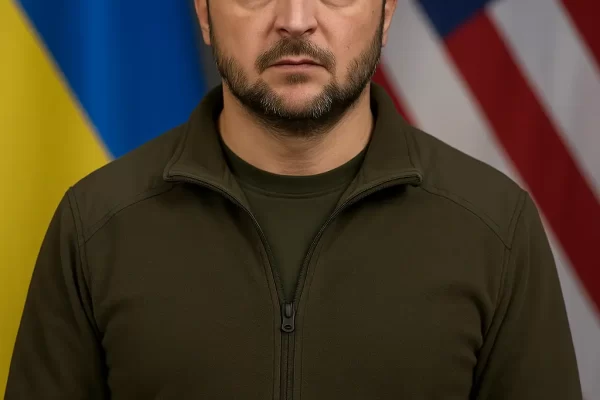
Ukrainian President Volodymyr Zelensky left the White House on Tuesday having secured another reprieve for his war-torn nation. His visit to Washington was marked by intense diplomatic maneuvering, as Kyiv continues to fight for sustained Western support against Russia’s ongoing military offensive. During his meeting with U.S. President Donald Trump, Zelensky’s key objective was to ensure Ukraine remains a priority for Washington amid shifting American foreign policy debates. While Trump stopped short of announcing major new military packages, he emphasized that the United States “remains committed” to helping Ukraine defend itself. This reassurance, though measured, allowed Zelensky to claim a symbolic victory—leaving Washington without major setbacks and with some additional time to press his country’s case on the global stage. For Ukraine, the visit was less about immediate breakthroughs and more about survival in the geopolitical spotlight. Zelensky highlighted the importance of U.S. security guarantees and financial assistance, stressing that Ukraine’s resistance depends heavily on Western unity. The White House, meanwhile, signaled that while military aid would continue, larger strategic commitments may be tied to future negotiations with Russia and Europe. Analysts noted that Zelensky managed to walk a fine line between urgency and diplomacy. His ability to avoid confrontations while still pressing for continued support was seen as a skillful tactic. “Zelensky didn’t come for sweeping deals—he came to buy time,” said one Washington policy expert. “And in that respect, he succeeded.” The Ukrainian leader also took the opportunity to remind American lawmakers of the broader stakes. In meetings with members of Congress, he framed Ukraine’s struggle as part of a global defense of democracy. Lawmakers from both parties expressed concern about wavering support, particularly as domestic political battles in the U.S. intensify ahead of the next election season. For Zelensky, buying time is critical. Ukraine faces mounting battlefield challenges, including shortages of ammunition and manpower. While European allies have pledged additional assistance, U.S. backing remains the cornerstone of Ukraine’s defense. Any signal of hesitation from Washington could embolden Russia and complicate Kyiv’s strategic outlook. also read Trump-Zelenskyy meeting in Washington LIVE: Zelenskyy in U.S. stresses need for security guarantees As he departed Washington, Zelensky appeared cautiously optimistic. “We continue to stand with the United States, and we believe the United States stands with us,” he said in a brief statement. While no groundbreaking agreements were signed, the visit achieved what Kyiv most urgently needed: a pause in doubts and a renewed, if limited, commitment from its most powerful ally. For now, Zelensky has left the White House unscathed, and Ukraine has gained valuable time in its long and grueling struggle for survival. Wabstalk

Read More
Trump-Zelenskyy meeting

Trump-Zelenskyy meeting in Washington LIVE: Zelenskyy in U.S. stresses need for security guarantees

Ukrainian President Volodymyr Zelenskyy arrived in Washington, D.C., on Monday for high-level talks with former U.S. President Donald Trump, who is seeking to play a renewed role in shaping the path forward for Ukraine amid its ongoing conflict with Russia. The Trump-Zelenskyy meeting comes at a pivotal moment, as Kyiv continues to push for stronger security commitments from the United States and its Western allies. Speaking to reporters ahead of the closed-door talks, Zelenskyy underlined that Ukraine’s future depends not only on military support but also on long-term security guarantees. He reiterated that Russia’s war against Ukraine has entered a decisive stage, and Western unity is essential in countering Moscow’s aggression. “We are fighting not just for Ukraine’s sovereignty, but for stability and security in Europe,” Zelenskyy stated. Trump, who has previously expressed skepticism about the scale of U.S. involvement in Ukraine, struck a more measured tone during his appearance with Zelenskyy. While avoiding specifics on future aid packages, he acknowledged Ukraine’s resilience and said discussions would focus on “finding realistic steps that bring lasting peace.” Trump added that any U.S. support must be tied to “clear objectives and accountability,” a remark likely aimed at addressing concerns among his political base about the cost of supporting Ukraine. The Trump-Zelenskyy meeting is being closely watched not only in Washington but across Europe, where allies are keen to see whether Trump could shift U.S. policy toward a more restrained role in Ukraine’s defense. Analysts note that Zelenskyy’s visit is a strategic move to ensure bipartisan American backing, regardless of who occupies the White House after the 2024 elections. Zelenskyy’s agenda also includes meetings with congressional leaders and defense officials to secure commitments on advanced air-defense systems and long-term financial support. Ukrainian officials have stressed that without dependable guarantees, any ceasefire deal with Russia would leave Kyiv vulnerable to renewed attacks. The atmosphere in Washington reflects both urgency and caution. For Ukraine, the visit is an attempt to lock in assurances that will survive political changes in the U.S. For Trump, it is a chance to demonstrate statesmanship while navigating the fine line between supporting an ally and reassuring voters who demand a more inward-focused foreign policy. As the Trump-Zelenskyy meeting unfolds, the central question remains: can Ukraine secure the guarantees it needs to stand against Russia, while also convincing U.S. leaders that their support aligns with America’s strategic interests? For now, all eyes are on Washington, where the outcome of this meeting could shape the trajectory of the war and Ukraine’s future security framework.

Read More
Global plastics treaty collapse

Global plastic talks collapse as countries remain deeply divided

After nearly three years of effort, the sixth round of UN-led negotiations aiming to forge a legally binding global treaty on plastic pollution ended in failure in Geneva. Delegates from approximately 180 countries exhausted nights of talks but failed to find common ground. At the heart of the impasse lay a fundamental disagreement: Should the treaty tackle plastic pollution urgently through binding limits on production—or focus narrowly on waste management? The High Ambition Coalition—comprising the EU, many African, Latin American nations, and small island states—pushed for bold measures to cap plastic production and phase out toxic chemicals. In stark contrast, the Like-Minded Group, made up of oil-producing countries such as Saudi Arabia, Russia, Iran, and supported by the U.S., insisted that the treaty remain limited to waste-related issues. The U.S., under the Trump administration, played a particularly obstructive role—aligning with petrostates and rejecting key provisions on production caps, additives, and chemical regulation. The Washington Times This alliance intensified criticism from environmental advocates and undercut hopes for binding commitments. Observers described the final plenary sessions as chaotic and disorganized—delegates adjourned late at night, only to reconvene at dawn with no resolution. Two draft texts were circulated, but neither was accepted, and no future dates for negotiations were finalized. Reacting to the collapse, several countries voiced disappointment, particularly small island states. Tuvalu warned of the dire consequences: “Millions of tons of plastic waste will continue to be dumped in our oceans, affecting our ecosystem, food security, livelihood and culture.” Cuba lamented a “historic opportunity” lost, while France’s environment minister denounced petrostates for prioritizing short-term financial interests over planetary wellbeing. The failure underscored the limitations of the UN’s usual consensus-based decision-making, which allowed a minority of nations to block action despite widespread support for more ambitious goals. Some groups are now advocating for alternative pathways—like voting mechanisms or coalitions of willing nations—to push the agenda forward. Wildfires rage across southern Europe as temperatures top 40C What Lies Ahead? This collapse marks a critical diplomatic setback—and a reminder that without unity and political will, the global plastics crisis will only escalate.  Wabstalk

Read More
Southern Europe wildfires 2025

Wildfires rage across southern Europe as temperatures top 40C

Southern Europe is grappling with a sweeping heatwave that has pushed daytime temperatures above 40°C in many areas and helped spark a new wave of destructive wildfires across the Mediterranean. Blazes have ignited in Spain, Portugal, France, Greece and parts of the Balkans, forcing thousands of people from their homes, overwhelming local fire services and grounding some firefighting aircraft when conditions become too dangerous. In Spain, fierce fires produced rare and terrifying “fire whirls” — spinning columns of flame driven by extreme heat and turbulent winds — that forced firefighters to withdraw in several areas and prompted mass evacuations near UNESCO-listed sites and coastal resorts. Emergency services reported multiple fatalities and numerous injuries in different countries as flames raced through dry brush and forests made tinder-dry by weeks of intense heat. Wabstalk Portugal and France have been particularly hard hit: Portugal deployed thousands of firefighters and dozens of aircraft to battle large blazes in the north and centre of the country, while southern France saw one of its largest recent wildfires scorch tens of thousands of hectares and prompt long-term evacuations and state-level emergency responses. Officials warned that high winds and record-setting daytime highs — reaching into the low-to-mid 40s Celsius in some pockets — could re-ignite contained fires or drive fresh outbreaks. Greece, meanwhile, reported multiple simultaneous outbreaks across islands and coastal regions popular with tourists, heightening concerns about summer visitors’ safety and the knock-on effect for local economies. Authorities in several countries have said arson and negligent human activity appear to have played a role in some fires, compounding the natural risk from heat and drought. Cross-border mutual aid — including extra aircraft, crews and equipment — has been mobilised in an attempt to contain the worst incidents. Climate scientists and emergency planners are warning that these extreme heat episodes are becoming more frequent and severe as the atmosphere warms: hotter, drier summers increase fire risk, lengthen fire seasons and make suppression more difficult and dangerous. As firefighters battle current blazes, governments face urgent questions about land management, prevention, and long-term investments in resilience to reduce the scale and human cost of future fire seasons. Explosion reported at U.S. Steel plant, multiple people injured

Read More