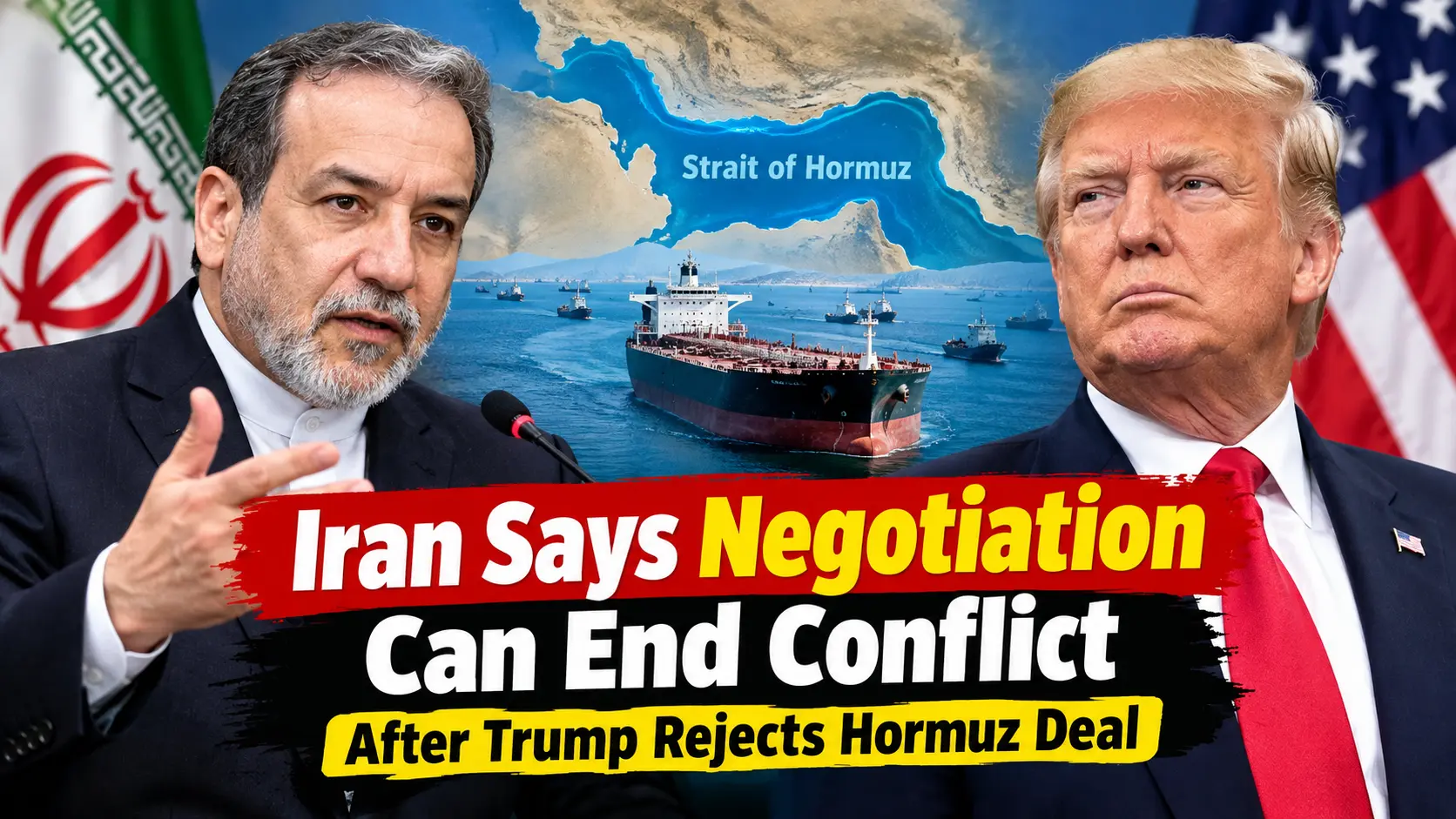
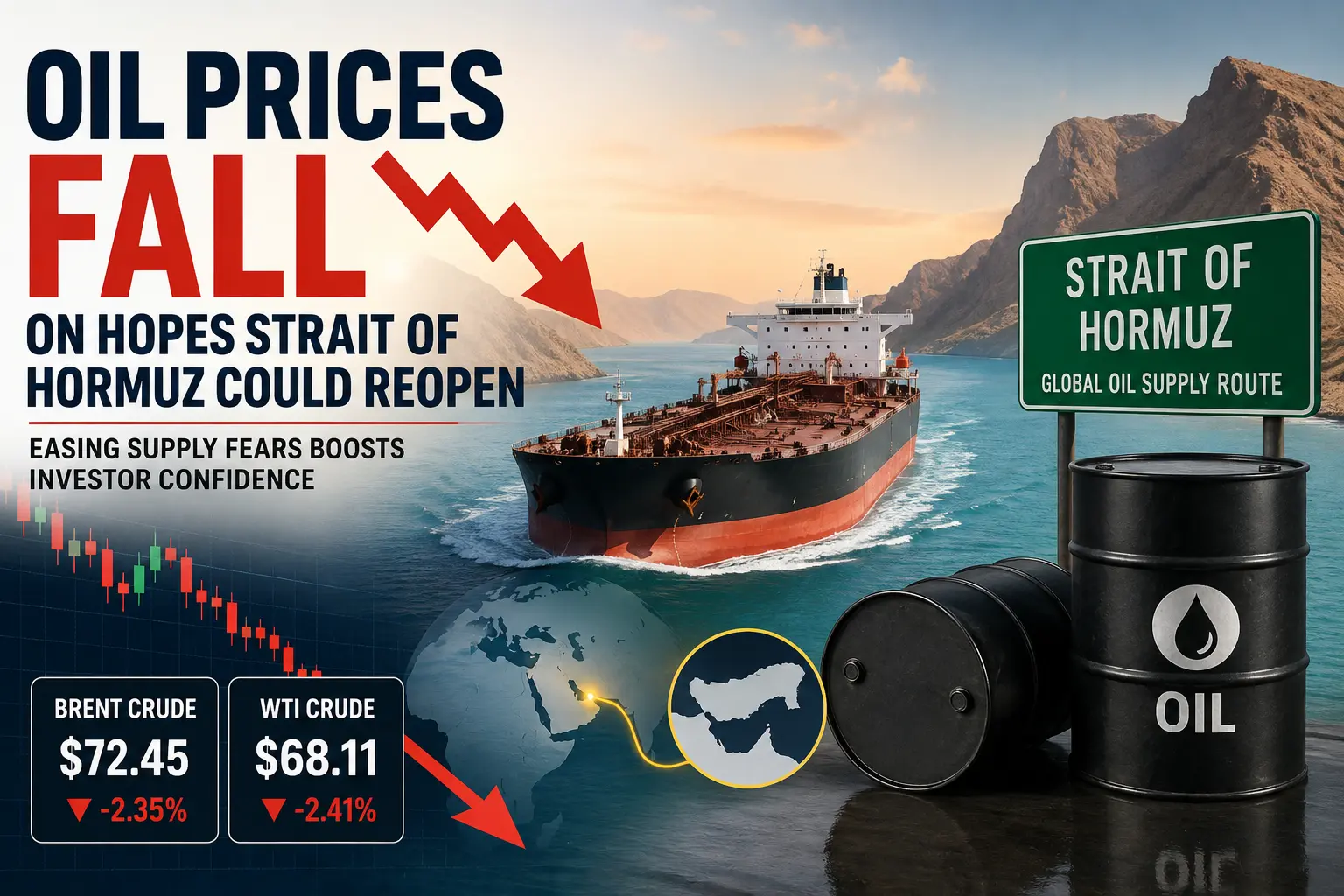
Oil prices declined on Tuesday as investors grew increasingly optimistic that shipping through the Strait of Hormuz could soon return to normal, easing concerns over disruptions to global energy supplies. The strategic waterway, through which nearly one-fifth of the world’s oil passes, has been at the center of geopolitical tensions in recent weeks.
Brent crude and West Texas Intermediate (WTI) futures both slipped after reports suggested diplomatic efforts were making progress toward reducing tensions in the region. Traders believe that a safer shipping environment would help stabilize oil exports from major producers in the Gulf, reducing the risk premium that had pushed prices higher.
The Strait of Hormuz is one of the world’s most important maritime chokepoints, linking the Persian Gulf with international markets. Any disruption in the narrow passage can significantly affect global energy prices, as countries such as Saudi Arabia, Iraq, Kuwait, the United Arab Emirates, and Qatar rely heavily on the route for exports.
Market analysts said investor sentiment improved after signs emerged that negotiations aimed at restoring secure navigation were advancing. Shipping companies are also reportedly preparing to increase traffic through the waterway if security conditions continue to improve.
Despite the decline, analysts cautioned that oil markets remain highly sensitive to developments in the Middle East. Any renewed military confrontation or attacks on commercial vessels could quickly reverse the downward trend and send prices climbing again.
Lower oil prices could provide relief for consumers and businesses by reducing fuel and transportation costs while helping ease inflationary pressures in many economies. Governments and central banks will continue to monitor energy markets closely, as sustained price stability could support global economic growth.
Investors are now awaiting further diplomatic announcements and official shipping updates, which are expected to determine whether the recent decline in oil prices will continue or prove temporary. The coming days are likely to be crucial for both energy markets and the broader global economy.