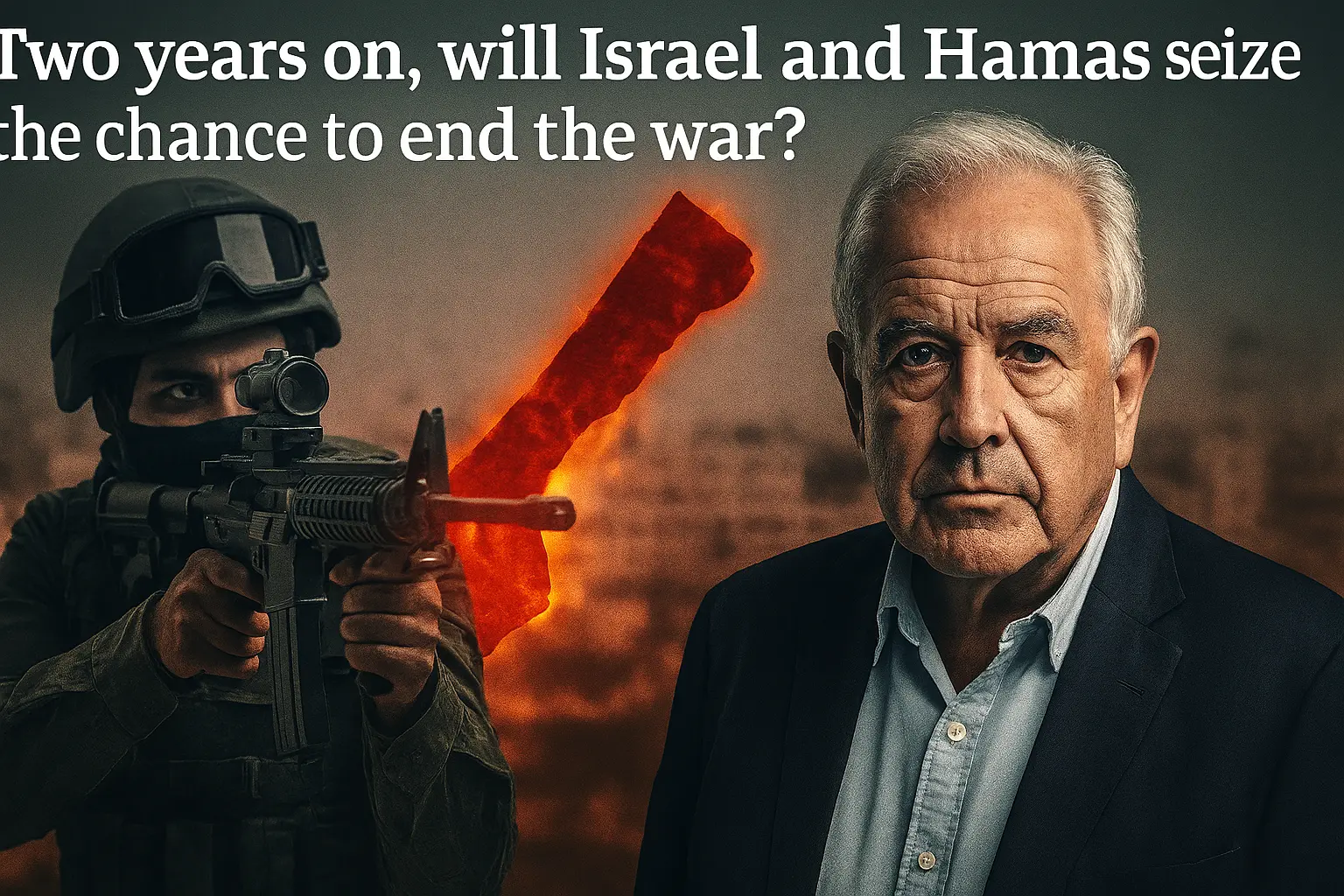
Two years after the devastating conflict between Israel and Hamas erupted, the question now dominating diplomatic circles is whether both sides are finally ready to end the war. The toll — human, political, and regional — has been immense. According to BBC Middle East Editor Jeremy Bowen, there are tentative signs that exhaustion on both sides might open a narrow window for negotiation, but mistrust and political calculation continue to overshadow peace efforts.
The war has left Gaza in ruins, with much of its infrastructure destroyed and millions displaced. Israel, despite its military advantage, faces growing international isolation and domestic pressure over the war’s economic and moral costs. Prime Minister Benjamin Netanyahu’s government, already weakened by internal divisions, struggles to balance its hardline coalition demands with international calls for restraint.
Hamas, meanwhile, has seen its leadership decimated and its military capabilities significantly weakened. Yet the group remains a potent political force in Gaza, maintaining control over key areas despite Israeli bombardments and a worsening humanitarian crisis. According to Bowen’s analysis, Hamas believes survival itself is a form of victory — a message it continues to project to a population weary of destruction but fearful of losing sovereignty.
International mediators, led by Egypt, Qatar, and the United States, are once again attempting to revive a ceasefire framework. A proposal circulating in recent weeks reportedly involves phased prisoner releases, humanitarian corridors, and limited reconstruction aid under UN supervision. But both Israel and Hamas remain wary. Israel demands disarmament guarantees and the return of all hostages, while Hamas insists on a permanent end to Israeli military operations and the lifting of the blockade.
Jeremy Bowen notes that both sides are trapped by the politics of survival. Netanyahu fears that any perceived concession could fracture his coalition, while Hamas risks losing credibility if it appears to compromise under pressure. Yet, after two years of relentless warfare, public opinion in both Israel and Gaza shows signs of fatigue — a critical factor that could push leaders toward a pragmatic truce.
Whether this moment becomes a turning point or another missed opportunity will depend on leadership and timing. For now, the guns have not fallen silent, but the diplomatic machinery is beginning to hum once more. As Bowen observes, “Wars often end not when sides are ready to forgive, but when they simply can’t go on.”