Gaza City hospital strike

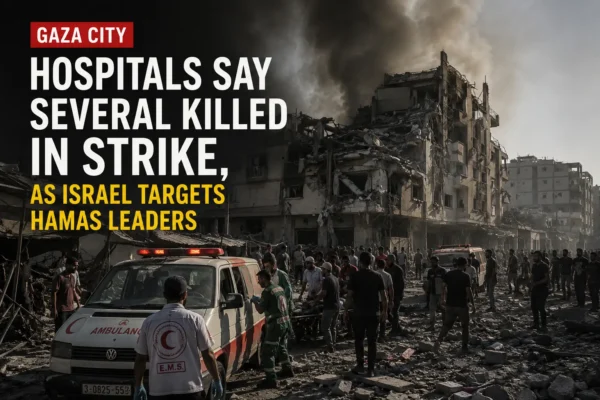
Gaza City hospitals say several killed in strike, as Israel targets Hamas leaders

Hospitals in Gaza City reported that several people were killed following a new round of air strikes as Israel intensified operations targeting senior leaders of Hamas. The strikes came amid escalating violence in the region, with civilians once again caught in the middle of the conflict. Medical officials in Gaza said emergency teams rushed wounded residents to overcrowded hospitals after explosions hit residential areas overnight. Witnesses described scenes of destruction, damaged buildings, and panic among families seeking shelter. Local authorities claimed that women and children were among the casualties, though exact figures remain unclear. The Israeli military stated that the operation was aimed at Hamas command centers and senior operatives believed to be coordinating attacks against Israeli targets. According to Israeli officials, intelligence reports identified several strategic locations allegedly linked to militant activity inside Gaza City. Israel has repeatedly argued that Hamas operates within densely populated civilian areas, making military operations more complicated. The latest escalation follows weeks of rising tensions, including rocket fire from Gaza and Israeli retaliatory strikes. International organizations and humanitarian agencies have expressed concern over the worsening humanitarian situation in the Gaza Strip, where hospitals are struggling with shortages of medicine, fuel, and medical supplies. Global leaders have urged restraint and called for efforts to prevent further civilian casualties. The United Nations renewed demands for humanitarian access and protection for noncombatants trapped in the conflict zone. The ongoing fighting has deepened fears of a broader regional crisis, while diplomatic efforts to secure a ceasefire continue. Residents in Gaza City remain uncertain about what comes next as air raid sirens, explosions, and emergency evacuations continue across the territory.

Read More
Iran-US deal talks

Deal with US not imminent, Iran says

Iran has said that a final agreement with the United States is “not imminent,” despite reports of progress in ongoing negotiations aimed at easing regional tensions and ending months of conflict in the Middle East. Iranian Foreign Ministry spokesperson Esmaeil Baghaei stated that Tehran and Washington had reached understandings on several major issues, but warned that significant differences still remain between the two sides. The comments came after senior US officials, including Secretary of State Marco Rubio, suggested that a breakthrough could happen soon. However, Iranian officials accused Washington of sending mixed signals and changing positions during negotiations, making it difficult to finalize a deal quickly. The discussions are believed to involve extending the current ceasefire, reopening the Strait of Hormuz to global shipping, and creating a framework for future talks over Iran’s nuclear programme. Iran has insisted that the current negotiations are focused mainly on ending hostilities and reducing military tensions, not directly on nuclear matters. The Strait of Hormuz remains one of the key issues in the talks because it is a vital route for global oil shipments. Continued uncertainty over the waterway has already pushed energy markets into volatility and increased concerns about global supply disruptions. Analysts say any delay in reaching a deal could keep oil prices elevated and prolong instability across the region. US President Donald Trump has also said negotiators should not rush into an agreement, stressing that Washington would only accept a “strong and meaningful” deal. Meanwhile, regional powers including Qatar, Oman and Pakistan continue diplomatic efforts to mediate between Tehran and Washington.

Read More
China coal mine explosion

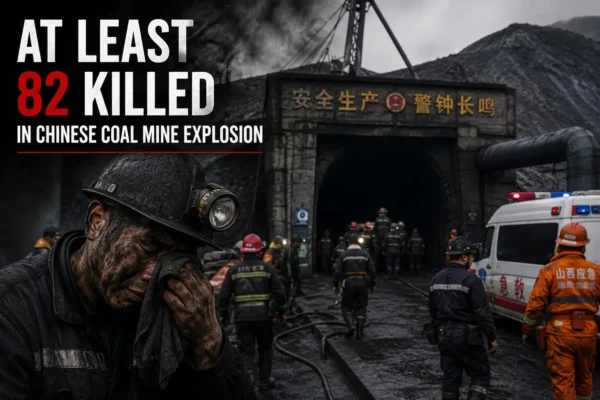
At least 82 killed in Chinese coal mine explosion

A devastating coal mine explosion in northern China has killed at least 82 people, making it one of the country’s deadliest mining disasters in recent years. The blast occurred late Friday at a large underground coal facility in Shanxi province, a region heavily dependent on coal production and mining operations. Rescue teams worked through the night to search for survivors trapped beneath the surface as thick smoke and unstable tunnels hampered emergency efforts. Chinese state media reported that several miners were still missing, while dozens of injured workers were rushed to nearby hospitals for treatment. Authorities have launched a full investigation into the cause of the explosion, with early reports suggesting that a buildup of gas inside the mine may have triggered the deadly blast. Safety inspectors and government officials have been dispatched to the site as pressure grows over working conditions in China’s mining sector. Witnesses described scenes of panic as families gathered outside the mine waiting for updates about their loved ones. Emergency crews used heavy machinery and ventilation systems in an attempt to clear dangerous gases from the tunnels. Local officials vowed to hold those responsible accountable if safety violations are discovered. China’s mining industry has long faced criticism over inadequate safety standards despite repeated government promises to improve conditions. While accidents have declined in recent years due to tighter regulations, coal mines remain among the country’s most hazardous workplaces. Experts say many smaller or high-output mines continue to prioritize production over worker safety. The tragedy has reignited national debate over industrial safety and oversight in China’s energy sector. Messages of condolence poured in across social media, while President Xi Jinping called for “all-out rescue efforts” and stronger enforcement of mining safety laws to prevent similar disasters in the future.

Read More
Iran control of Strait of Hormuz

Iran steps up claim to control Strait of Hormuz

Iran has intensified its claims of authority over the strategically vital Strait of Hormuz, escalating tensions across the Middle East and raising fears of prolonged disruption to global oil and shipping markets. Iranian officials and the Islamic Revolutionary Guard Corps (IRGC) now insist that all vessels passing through the narrow waterway must coordinate directly with Iranian naval authorities, signaling a major shift in regional power dynamics. The latest statements from Tehran come as shipping traffic through the strait remains severely reduced amid ongoing conflict and diplomatic deadlock between Iran and the United States. Iran recently claimed it coordinated the safe passage of 26 vessels within 24 hours, arguing that maritime traffic is operating “with permission and in coordination with the IRGC Navy.” The Strait of Hormuz is one of the world’s most important energy chokepoints, carrying nearly 20% of global oil shipments under normal conditions. Iran’s tightening grip has triggered alarm among global energy producers, shipping firms, and Western governments. Analysts warn that Tehran’s attempts to formalize control over the route could set a dangerous precedent for international shipping and freedom of navigation. Iran has also unveiled what it calls a new “area of control” inside the strait, while warning ships that failure to comply with Iranian directives could expose them to missile, drone, or naval threats. Commercial shipping companies remain cautious, with many merchants unwilling to risk transit despite military escort proposals from the United States and its allies. The growing standoff has already fueled volatility in global oil prices and heightened fears of a wider regional confrontation. Diplomatic negotiations aimed at reopening unrestricted traffic through the waterway remain stalled, leaving the future of the Strait of Hormuz uncertain.

Read More
Raúl Castro indictment

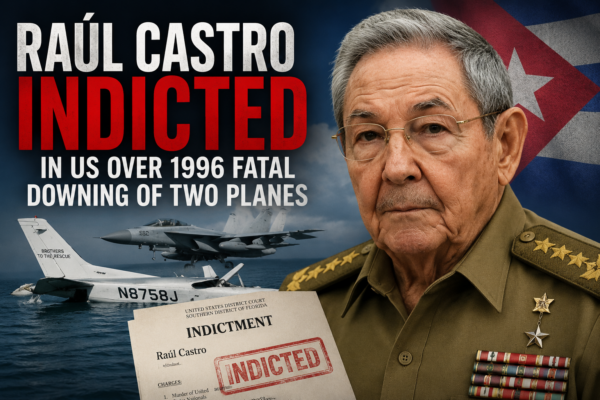
Former Cuban president Raúl Castro indicted in US over 1996 fatal downing of two planes

Former Cuban president Raúl Castro has been indicted in the United States over the 1996 downing of two civilian aircraft operated by the Miami-based group Brothers to the Rescue, a decades-old incident that killed four people and sharply escalated tensions between Washington and Havana. US federal prosecutors announced that the indictment accuses Castro, who served as Cuba’s defense minister at the time, of involvement in authorizing or overseeing the operation that led Cuban fighter jets to shoot down the planes over international waters. The aircraft belonged to Brothers to the Rescue, an organization that searched for Cuban migrants attempting dangerous sea crossings to the United States. The February 1996 incident caused international outrage after Cuban MiG fighter jets destroyed the unarmed Cessna planes, killing three American citizens and one US resident. The US government long maintained that the planes were in international airspace when they were attacked, while Cuban authorities argued the aircraft had repeatedly violated Cuban airspace. According to US officials, the indictment is part of a broader effort to pursue accountability for acts that resulted in the deaths of American citizens. Legal experts note, however, that the case is largely symbolic because Castro remains in Cuba, where extradition to the United States is highly unlikely. The indictment has already triggered strong political reactions. Cuban officials condemned the move as politically motivated and accused Washington of reviving Cold War-era hostility. Analysts say the development could further strain already fragile relations between the US and Cuba, especially as diplomatic engagement between the two countries has remained limited in recent years. Raúl Castro, now retired from formal political leadership, succeeded his brother Fidel Castro as Cuba’s president in 2008 and remained one of the country’s most influential political figures for more than a decade.

Read More
Ebola outbreak in DR Congo

Ebola has tortured us’: Fear grips eastern DR Congo as deadly virus spreads

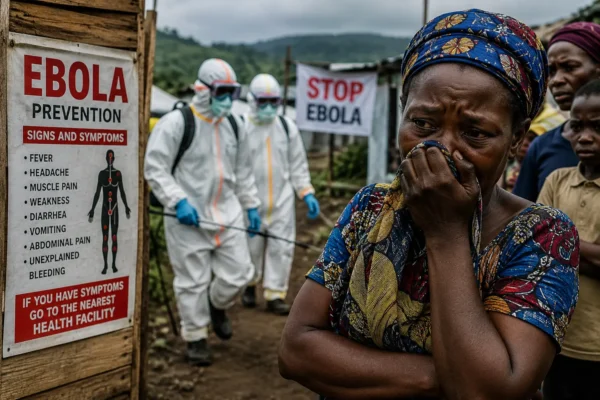
Fear and anxiety are spreading across eastern Democratic Republic of the Congo as communities confront another deadly outbreak of Ebola. Health officials report rising infections in several areas, with overwhelmed hospitals and frightened residents struggling to contain the fast-moving virus. Families in affected villages say the outbreak has revived painful memories of previous Ebola crises that devastated the region over the past decade. Residents in eastern Congo describe scenes of panic as health workers in protective suits move through communities tracing contacts and isolating suspected cases. Many people fear visiting clinics, worried they could become infected or separated from loved ones. “Ebola has tortured us,” one local resident said, reflecting the deep emotional and economic toll the disease continues to inflict on already vulnerable communities. Authorities and international aid agencies are intensifying emergency measures, including vaccination campaigns, border screenings, and public awareness drives. However, insecurity caused by armed groups in eastern Congo has complicated response efforts, making it difficult for medical teams to safely reach remote villages. Health experts warn that misinformation and distrust of authorities could further accelerate the spread of the virus if communities avoid treatment centers. The outbreak has also disrupted trade, schools, and daily life across parts of the region. Markets are quieter, travel has slowed, and many families are limiting social gatherings out of fear of infection. Neighboring countries remain on alert as officials monitor possible cross-border transmission. Despite the growing crisis, health authorities stress that Ebola can be contained through rapid testing, vaccination, isolation of patients, and community cooperation. International organizations are continuing to send medical supplies and specialists to support Congo’s response as fears rise that the outbreak could worsen in the coming weeks

Read More
WHO Ebola response

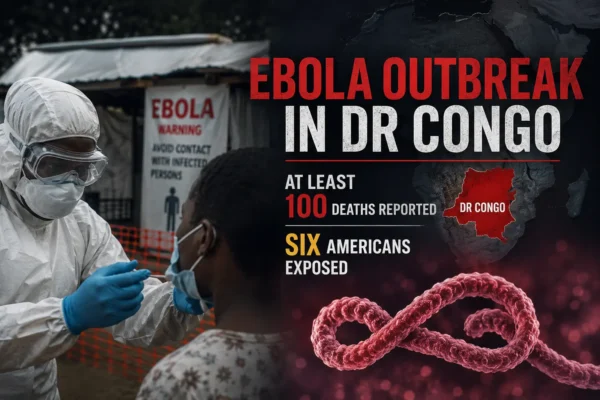
At least 100 deaths reported in Ebola outbreak in DR Congo as six Americans exposed

More than 100 people have reportedly died in the latest Ebola outbreak in the eastern region of the Democratic Republic of Congo, raising fears of a wider health emergency as officials confirmed that six Americans were exposed to the deadly virus. Health authorities are working urgently to contain the spread of the disease, which has affected several communities already struggling with conflict and weak healthcare infrastructure. According to local officials and international health agencies, the outbreak has rapidly intensified over recent weeks, with hundreds of suspected infections under investigation. Medical teams have been deployed to isolate patients, trace contacts, and distribute vaccines in high-risk areas. The situation has become increasingly concerning due to the movement of people across regional borders and limited access to healthcare facilities in remote villages. The six Americans exposed to Ebola were reportedly working in humanitarian and medical support operations in the affected region. US health authorities are monitoring the individuals closely, though no confirmed infections among them have yet been announced. Exposure does not necessarily mean infection, but strict quarantine and testing protocols are being followed to prevent any potential spread. The Ebola virus causes severe fever, vomiting, bleeding, and organ failure, and can be fatal if not treated quickly. The disease spreads through direct contact with bodily fluids of infected individuals or contaminated materials. Previous outbreaks in DR Congo have killed thousands over the past decade, making the country one of the world’s most vulnerable regions for Ebola transmission. International organizations, including the World Health Organization, are supporting emergency response efforts and calling for increased global assistance. Experts warn that rapid containment measures will be critical to stopping the outbreak before it spreads further across Central Africa.

Read More
WHO Ebola emergency

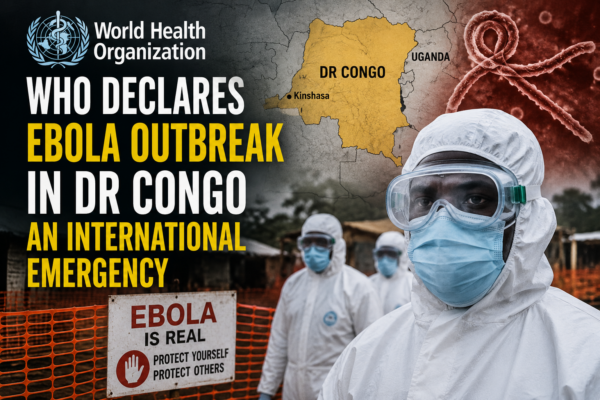
WHO declares Ebola outbreak in DR Congo an international emergency

The World Health Organization has declared the Ebola outbreak in the Democratic Republic of the Congo and neighboring Uganda a “Public Health Emergency of International Concern” after a sharp rise in suspected infections and deaths linked to the rare Bundibugyo strain of the virus. Health officials say more than 300 suspected cases and around 80 deaths have been reported, with the outbreak centered in Ituri province in eastern Congo. WHO Director-General Tedros Adhanom Ghebreyesus said the emergency declaration is intended to mobilize international support, funding, and coordination to stop the spread before it worsens. The organization clarified that the outbreak does not yet qualify as a pandemic, but neighboring countries remain at high risk because of cross-border movement and weak healthcare infrastructure in affected regions. The Bundibugyo strain is especially concerning because there are currently no approved vaccines or targeted treatments for it, unlike the more common Ebola-Zaire strain. Medical experts fear the true number of infections could be significantly higher because many suspected cases are still awaiting confirmation. Cases have already appeared outside the outbreak epicenter, including in Uganda and the Congolese city of Goma, raising fears of wider regional transmission. Health workers are intensifying contact tracing, screening, and isolation measures, while WHO has urged countries not to close borders, warning that travel restrictions could push people into unmonitored crossings and make containment more difficult. The outbreak is unfolding in a region already affected by armed conflict and mass displacement, complicating response efforts. Global health agencies, including the Africa CDC, are now coordinating emergency responses as fears grow that the outbreak could expand further across Central and East Africa if rapid containment measures fail.

Read More
Trump Taiwan independence warning

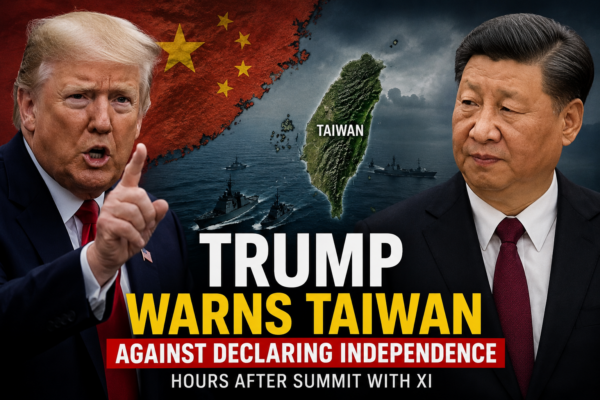
Trump warns Taiwan against declaring independence, hours after summit with China’s Xi

Former US President Donald Trump warned Taiwan against making any formal declaration of independence, just hours after holding a high-level summit with Chinese President Xi Jinping. The remarks have intensified global attention on growing tensions between the United States, China, and Taiwan. Speaking after the meeting, Trump emphasized that stability in the Taiwan Strait was essential for global security and economic growth. He stated that any unilateral move toward independence could trigger “serious consequences” and increase the risk of military confrontation in the region. Trump also repeated his view that dialogue and negotiation should remain the primary path forward between Beijing and Taipei. China has long viewed Taiwan as a breakaway province and has consistently opposed any foreign support for Taiwanese independence. Beijing welcomed Trump’s comments, with Chinese officials describing them as a sign that Washington understands the sensitivity of the issue. The summit between Trump and Xi reportedly focused on trade relations, military tensions in the Indo-Pacific, and regional security concerns. Taiwanese leaders reacted cautiously to Trump’s statement. Officials in Taipei reaffirmed their commitment to democracy and self-governance while stressing the importance of maintaining peace across the Taiwan Strait. Some political analysts in Taiwan expressed concern that the remarks could be interpreted as increased pressure from both Washington and Beijing. The summit comes at a time of rising geopolitical competition between the US and China. Military exercises near Taiwan and growing diplomatic disputes have raised fears of a potential conflict involving major global powers. International observers say Trump’s warning could influence future US-China relations and shape discussions about security in Asia for months to come.

Read More
Trump China visit

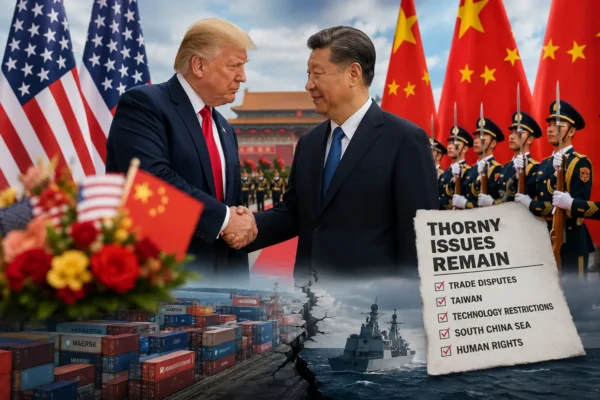
Flattery and fanfare as Trump welcomed to China – but thorny issues remain

US President Donald Trump received a lavish welcome in China as officials rolled out red carpets, military honours and high-level meetings aimed at showcasing warmer diplomatic ties between the world’s two largest economies. Chinese President Xi Jinping praised cooperation and stability during the visit, while state media highlighted the importance of stronger economic and political engagement between Beijing and Washington. Trump’s arrival was marked by elaborate ceremonies in Beijing, including a formal state banquet and talks focused on trade, technology and regional security. Chinese officials described the visit as an opportunity to strengthen dialogue at a time of growing global uncertainty. Trump also emphasized the importance of maintaining economic ties despite ongoing tensions between the two nations. However, beneath the public display of friendship, several thorny issues remain unresolved. Trade disputes continue to strain relations, particularly over tariffs, market access and restrictions on advanced technology exports. The United States has repeatedly raised concerns about intellectual property protections and China’s industrial policies, while Beijing has criticized Washington’s sanctions and efforts to limit Chinese access to key technologies. Security concerns also remain a major challenge. The two sides continue to disagree over the status of Taiwan, military activity in the South China Sea and broader influence in the Indo-Pacific region. Human rights issues and cybersecurity accusations were also expected to be discussed privately during the meetings. Despite these differences, both leaders signaled a willingness to keep communication channels open and avoid further escalation. Analysts say the visit reflects an effort by both countries to stabilize relations and prevent economic rivalry from turning into a deeper geopolitical confrontation. While the ceremonies and positive messaging dominated headlines, the difficult negotiations ahead suggest that major disagreements between Washington and Beijing are far from settled.

Read More