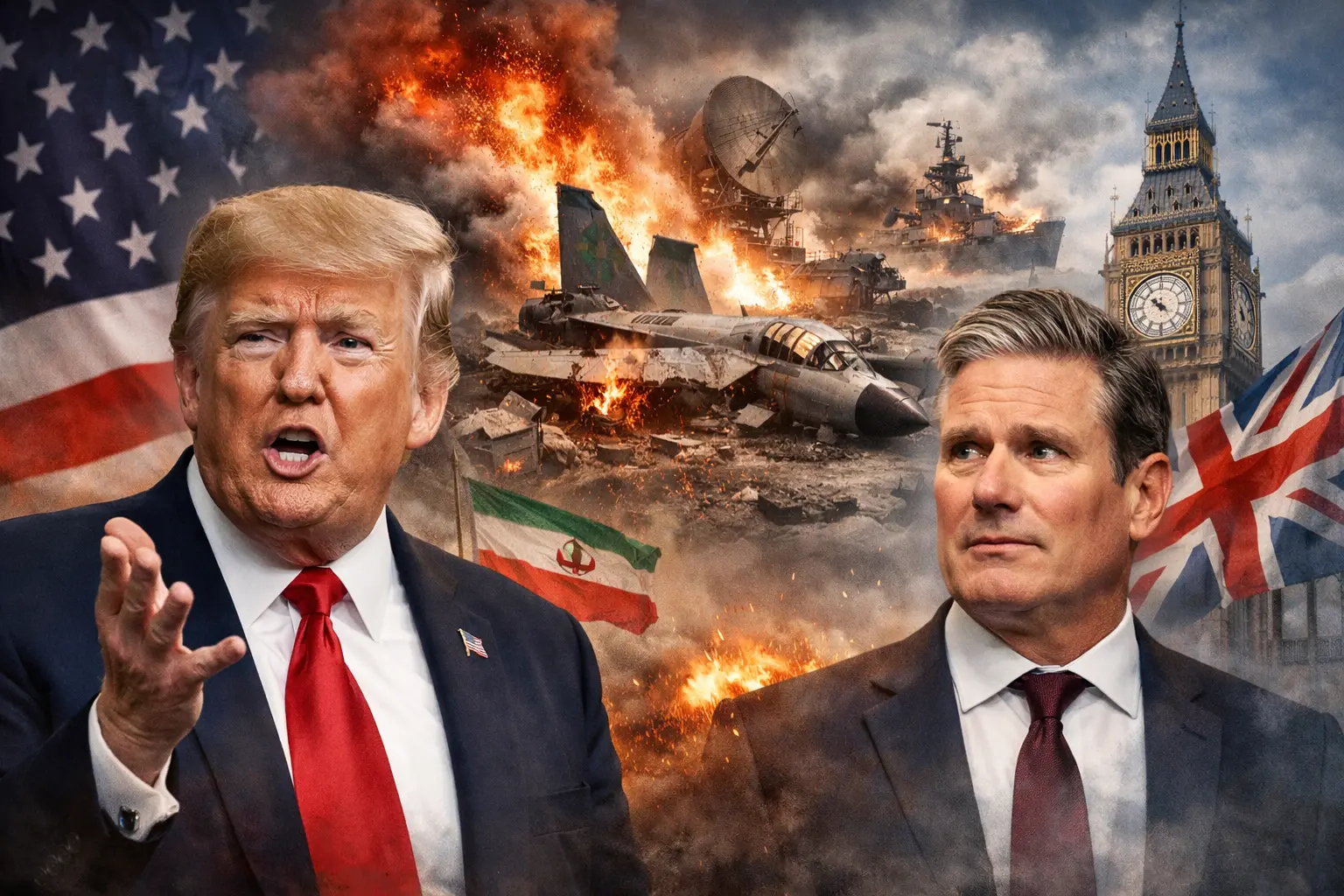
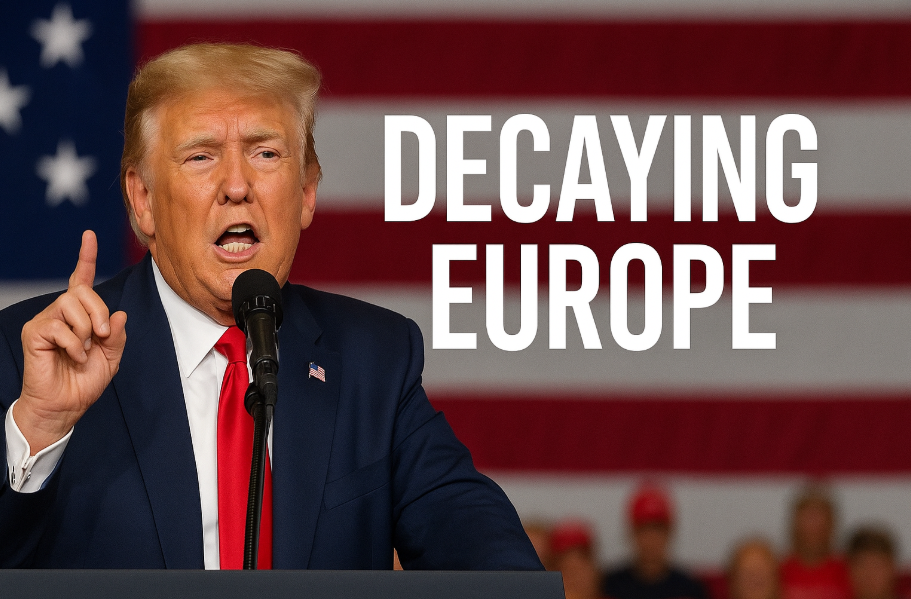
Former U.S. President Donald Trump has launched a fresh round of criticism at European nations, accusing them of being “decaying societies” led by “weak and visionless leaders.” His remarks, delivered during a rally-style event in Florida, have reignited debate over the future of transatlantic relations and the growing divide between Washington and its traditional allies.
Trump argued that several European countries have “lost their way,” describing them as economically stagnant and politically fractured. He claimed that European leaders had allowed their nations to “decline through uncontrolled migration, crumbling infrastructure, and failed energy policies.” According to him, these issues reflect a broader “collapse of leadership” across the continent. Supporters at the event applauded as he issued warnings that America must not “follow Europe down the same path.”
Throughout his speech, Trump framed Europe as an example of what the United States should avoid, rather than a model to emulate. He stated that Europe’s economic struggles, inflation pressures, and political turmoil demonstrate a “system that no longer works.” He directly criticised several unnamed European heads of government, calling them “timid, weak and incapable of defending their own people.” While he did not specify individual leaders, observers believe his comments were aimed at governments that have clashed with him over policy in the past.
Trump also condemned European defence spending, arguing that many nations remain overly dependent on the United States for military protection. He insisted that NATO allies still “take advantage of America,” renewing his long-standing claim that European countries fail to carry their share of the security burden. He further suggested that if Europe continues “failing to defend itself,” the U.S. will eventually reconsider its commitments.
These remarks come at a time when Europe faces a complex geopolitical landscape, including war in Ukraine, rising far-right movements, and economic uncertainty. European officials have not yet responded directly to Trump’s latest statements, but analysts say such comments could deepen mistrust between the two sides. Some experts noted that Trump’s rhetoric may influence Republican foreign-policy direction, especially as debates intensify around funding for Ukraine, NATO contributions, and broader Western unity.
Meanwhile, Trump’s critics argue that his comments undermine longstanding alliances and weaken America’s strategic position. They warn that labeling European nations as “decaying” risks alienating key partners at a time when global cooperation is essential. Others see the remarks as an effort to appeal to voters who distrust international institutions and prefer a more isolationist vision.
As Trump continues to shape political discourse, his harsh critique of Europe underscores the potential for renewed tension in U.S.–EU relations, particularly if he plays a significant role in future American policymaking.