Iran has reportedly caused extensive damage to a major industrial energy site in Qatar, marking a sharp escalation in the ongoing Middle East conflict and raising serious concerns about global energy security.
The attack targeted facilities in Ras Laffan, a critical industrial hub and home to the world’s largest liquefied natural gas (LNG) export infrastructure. Iranian missile and drone strikes were launched in retaliation for earlier attacks on Iran’s South Pars gas field, a key energy asset jointly shared with Qatar.
According to reports, the strikes disrupted operations at the Qatari site, forcing shutdowns and halting portions of LNG production. Ras Laffan is central to Qatar’s role as one of the world’s top LNG exporters, supplying energy to major markets across Asia and Europe. Any damage to this facility has immediate ripple effects on global supply chains.
The Iranian response follows an earlier strike on South Pars, which is responsible for a large share of Iran’s domestic gas production. The attack on that field triggered fires and temporarily reduced output, prompting Tehran to warn that it would retaliate against energy infrastructure across the Gulf region.
This tit-for-tat escalation has significantly heightened tensions, with multiple Gulf countries now on alert. Saudi Arabia and other regional players have reportedly intercepted additional drones and missiles, indicating the potential for a broader regional conflict.
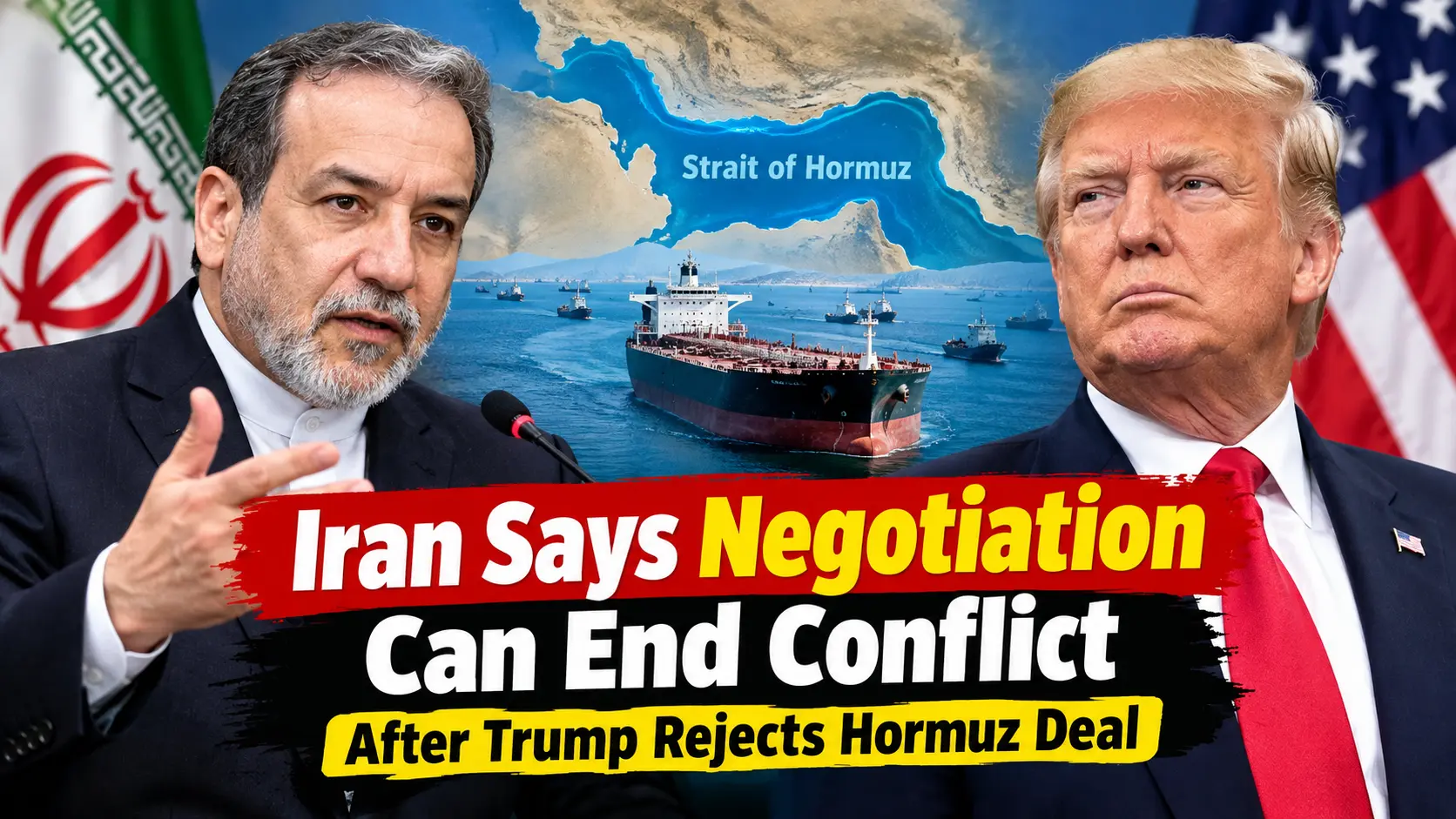
The economic impact has been immediate. Global oil and gas prices surged amid fears of prolonged disruption, particularly as the Strait of Hormuz—a vital energy transit route—faces increasing risk of closure. Analysts warn that continued attacks on energy infrastructure could destabilize markets and push the global economy into further uncertainty.
Overall, the strike on Qatar’s industrial site represents a dangerous expansion of the conflict, shifting focus toward critical energy assets and increasing the likelihood of sustained global energy shocks.