Afham

Trump Iran

Trump says ‘everything’s been knocked out in Iran’ as he criticises UK and Starmer

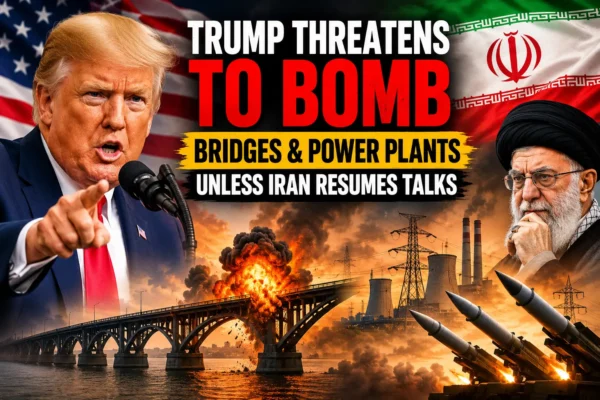
US President Donald Trump claimed on Tuesday that US-Israeli military operations have inflicted “virtually everything … knocked out” of Iran’s defence capabilities, asserting that Iran’s navy, air force, radar and air-defence systems have been disabled amid escalating conflict in the Middle East. Trump made the remarks in the Oval Office during a press session with German Chancellor Friedrich Merz, defending the strikes as necessary to pre-empt what he described as an imminent threat from Iran. He denied that Israel had forced the United States into war, insisting that he acted to prevent a potentially planned Iranian attack on the United States. Trump admitted uncertainty about Iran’s post-conflict leadership and acknowledged the absence of a clear “day-after” plan. Trump’s comments came amid soaring tensions with European allies, particularly the UK. He openly criticised UK Prime Minister Sir Keir Starmer, saying he was “not happy with the UK” and that Starmer was “not Winston Churchill” for initially resisting US requests to use British military bases in support of offensive operations against Iran. Trump said Starmer had been “very uncooperative” and lamented that the “special relationship” between the US and UK was “not what it was,” highlighting London’s hesitancy over involvement and legal concerns. Starmer later allowed limited UK base use for defensive strikes against Iranian missile infrastructure but stopped short of broader offensive participation. The diplomatic spat underscores the growing strain between Washington and London as the Middle East conflict deepens. While Trump’s narrative emphasises military success, critics question both the legality and strategic planning of the campaign, and allies like Starmer have insisted on adherence to international law and careful strategic considerations.

Read More
Israeli strikes Lebanon

Israeli attacks kill 31 in Lebanon, Iran strikes across region, and US warplanes crash in Kuwait

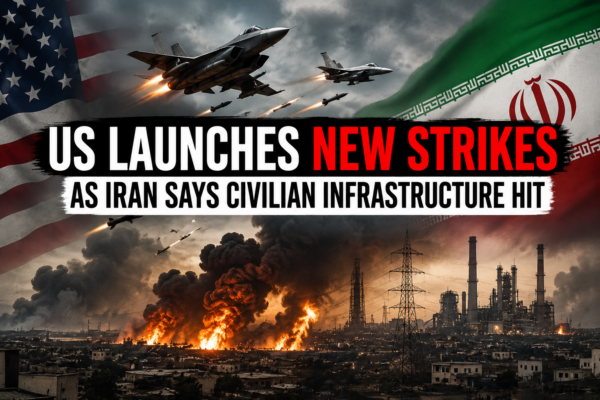
Israeli military forces carried out intense airstrikes across southern Lebanon, hitting Hezbollah-controlled areas including the southern suburbs of Beirut, the Bekaa Valley, and zones near Tyre, in response to a barrage of missiles and drones launched by the Iran-aligned group toward northern Israel. At least 31 people were killed and scores injured, according to Lebanon’s health authorities, as residential and militant positions were struck. Israeli officials said they targeted senior Hezbollah figures and infrastructure, and warned civilians to evacuate from frontline areas. The broader conflict stems from a joint US-Israeli offensive on Iran after the killing of Iran’s Supreme Leader, which triggered massive Iranian retaliation across the Middle East. Tehran’s Revolutionary Guards launched missiles and drones at Israeli territory, Gulf states, and Western military installations. Regional capitals including Kuwait City, Riyadh, Doha, Abu Dhabi, and Manama reported incoming strikes, damage to airports and oil infrastructure, and civilian casualties. Multiple Gulf airspaces were closed, prompting thousands of flight cancellations and delays. Amid the ongoing hostilities, the Kuwait Ministry of Defence confirmed that several US warplanes crashed on Kuwaiti soil during operations. While exact causes remain unclear, all crew members survived and were reported in stable condition. The incidents underline the high operational tempo and risks faced by coalition air missions in contested airspace. The expanding violence has not only intensified Lebanon’s front but also raised alarm across the Gulf, with diplomatic protests and regional powers bracing for further retaliation. Civilian displacement and international transit disruptions are escalating alongside military confrontations.

Read More
Russian soldiers executions

Russian soldiers tell BBC they saw fellow troops executed on commanders’ orders

Reports from Russian soldiers claiming they witnessed fellow troops being executed on commanders’ orders have raised serious allegations about battlefield discipline and potential war crimes during the ongoing conflict in Ukraine. In interviews with BBC, several servicemen described incidents in which soldiers accused of retreating or refusing orders were allegedly shot by their own side. The accounts, while difficult to independently verify, add to a growing body of testimony suggesting harsh enforcement tactics within parts of the Russian military structure. According to the soldiers, some executions were carried out as warnings to others, particularly during intense fighting when units were under pressure to hold positions. One interviewee claimed that commanders framed such actions as necessary to maintain order and prevent panic among troops facing Ukrainian advances. These statements, if accurate, could indicate violations of international humanitarian law, which prohibits extrajudicial killings and summary executions. Authorities in Russia have not publicly acknowledged the allegations and have repeatedly denied accusations of misconduct by their forces. Meanwhile, officials in Ukraine argue that the testimonies reflect systemic problems within Russian command structures, including poor morale and coercive discipline measures. Independent human rights investigators have previously documented claims of abuse, though confirming incidents in active combat zones remains challenging. The allegations come amid continued scrutiny of Russia’s military leadership and strategy under President Vladimir Putin, as the war enters another prolonged phase with heavy casualties reported on both sides. Analysts note that internal discipline problems often emerge in prolonged conflicts, particularly where communication breakdowns and logistical shortages create stress within units. WABS TALK If corroborated, the claims could increase international calls for investigations into potential war crimes and accountability mechanisms related to the conflict. However, experts caution that testimonies alone are not sufficient proof and require independent verification through forensic evidence and multiple sources. US wants Russia and Ukraine to end war by June, says Zelensky

Read More
New York snowstorm

Near impossible’ travel conditions in New York as 22 inches of snow falls on US east coast

A powerful nor’easter has paralyzed New York and much of the U.S. East Coast, dumping nearly 22 inches of snow across the region. The storm, described as one of the most severe in recent years, has created near impossible travel conditions. Authorities have declared a state of emergency, urging residents to remain indoors as blizzard-like winds and heavy snowfall continue to batter the area. Roads across New York City and surrounding states are buried under thick layers of snow, forcing officials to impose a travel ban. Only emergency and essential vehicles are permitted, while public transportation services face widespread disruptions. Airports have been hit especially hard, with thousands of flights canceled at JFK, LaGuardia, Newark, and Boston Logan, leaving travelers stranded and air traffic at a standstill. Residents are experiencing power outages as strong winds topple trees and damage utility lines. Local businesses, schools, and government offices remain closed, while grocery stores and pharmacies are struggling to keep up with demand as people stockpile essentials. The storm has also impacted neighboring states, including New Jersey, Pennsylvania, and Massachusetts, where snowfall totals are similarly extreme. Meteorologists warn that conditions may worsen as the storm continues to intensify, with blowing snow reducing visibility to near zero in many areas. Emergency services are stretched thin, responding to stranded motorists, medical emergencies, and infrastructure damage. Officials emphasize that staying indoors is the safest option until the storm subsides. This historic snowfall highlights the vulnerability of major urban centers to extreme winter weather. With near impossible travel conditions in New York, the storm serves as a reminder of the importance of preparedness and resilience in the face of natural disasters.

Read More
Trump global tariffs

Trump raises global tariffs to 15%, day after Supreme Court ruling

In a dramatic policy shift, President Donald Trump announced a global tariff increase to 15%, just one day after a pivotal Supreme Court ruling. This decision marks one of the most significant escalations in trade policy in recent years, with wide‑ranging implications for international commerce, domestic industries, and global markets. The tariff hike is aimed at strengthening U.S. manufacturing and reducing reliance on foreign imports. By raising duties across multiple categories, the administration seeks to encourage domestic production and protect American jobs. However, economists warn that such sweeping measures could trigger retaliatory actions from trading partners, potentially sparking new rounds of trade disputes. Global businesses are bracing for higher costs, particularly in sectors like technology, automotive, and consumer goods. Importers will face increased expenses, which may be passed on to consumers in the form of higher prices. Meanwhile, exporters in countries heavily dependent on U.S. markets are expected to feel immediate pressure, as competitiveness declines under the new tariff regime. The timing of the announcement—coming directly after a Supreme Court ruling—has added political weight to the decision. Analysts suggest that the ruling provided legal backing for broader executive authority in trade matters, paving the way for this aggressive tariff expansion. While supporters argue that the move will bolster national security and economic independence, critics caution that it risks destabilizing global supply chains and undermining long‑standing trade relationships. The coming weeks will reveal how international markets and governments respond to this bold step, and whether negotiations can ease tensions or escalate into a full‑scale trade conflict

Read More
Trump Iran warning

Trump says world has 10 days to see if Iran deal reached

Donald Trump has said the world has roughly 10 days to determine whether a new agreement can be reached with Iran, warning that failure to secure a deal could lead to serious consequences, including potential military escalation. His remarks come as tensions rise over Tehran’s nuclear program and ongoing diplomatic efforts involving the United States and international partners. Speaking after recent negotiations, Trump described the discussions as “productive but complicated,” emphasizing that Washington is seeking a comprehensive agreement that would permanently prevent Iran from obtaining nuclear weapons. He stressed that any deal must include strict limitations on uranium enrichment, expanded international inspections, and constraints on Iran’s missile development capabilities. According to Trump, previous diplomatic frameworks were inadequate, and the new proposal must deliver stronger guarantees. Indirect talks between American and Iranian officials have reportedly taken place in Geneva, where mediators are attempting to bridge longstanding disagreements. Iran continues to maintain that its nuclear activities are intended for civilian energy purposes, while rejecting demands to scale back certain defense programs it considers essential to national sovereignty. These conflicting positions remain a major obstacle to a breakthrough. Meanwhile, the United States has increased its military readiness in the Middle East, deploying additional naval and air assets to the region. Analysts view the buildup as both a pressure tactic in negotiations and a contingency measure should diplomacy fail. The possibility of confrontation has raised global concern, with several governments urging restraint and renewed diplomatic engagement to avoid a wider conflict. Despite his warning, Trump reiterated that his preferred outcome is a peaceful resolution. However, his 10-day timeframe underscores the urgency of the situation and signals that the coming days could be decisive for regional stability and international security.

Read More
Russia-Ukraine peace talks

Difficult’ Russia-Ukraine peace talks end without breakthrough

The latest round of Russia-Ukraine peace talks concluded in Geneva without delivering any meaningful progress toward ending the ongoing war. Over two days of negotiations, Ukrainian President Volodymyr Zelensky described the discussions as “difficult,” accusing Moscow of deliberately stalling the process. The talks, mediated by U.S. envoys, were expected to explore pathways toward a ceasefire and long-term settlement, but they ended abruptly after less than two hours on the second day. Ukrainian officials stressed their commitment to pursuing peace but voiced frustration at Russia’s reluctance to engage constructively. Zelensky emphasized that Kyiv’s delegation had been tasked with maximizing opportunities for peaceful solutions, yet Moscow appeared intent on dragging out negotiations. The Kremlin, meanwhile, maintained its position that Ukraine must make concessions, particularly regarding territorial disputes, which remain the central obstacle to progress. The Geneva talks were part of a U.S.-brokered initiative aimed at reducing tensions and finding common ground. Despite international pressure, both sides left without agreeing on concrete steps forward. Analysts highlight that the failure underscores the complexity of achieving a ceasefire, given the entrenched military and political positions. With the fourth anniversary of Russia’s full-scale invasion approaching, the lack of progress raises concerns about prolonged instability in Europe. Observers warn that continued stalemate could deepen humanitarian crises and further destabilize regional security. While the talks ended without breakthrough, both sides acknowledged that dialogue must continue, leaving open the possibility of future negotiations.

Read More
Ukraine ex-energy minister detained

Ukraine’s ex-energy minister detained while attempting to leave country

Former officials in Ukraine are facing increasing legal scrutiny as authorities detained a former energy minister while he was allegedly attempting to leave the country. According to investigators, the detention took place at a border crossing checkpoint after law enforcement agencies flagged the individual in connection with an ongoing corruption probe linked to energy sector contracts signed during his tenure. Officials from the State Border Guard Service of Ukraine confirmed that the suspect was stopped during routine exit procedures. The detention was coordinated with anti-corruption authorities, who had previously issued legal notices requiring the former minister’s cooperation in the investigation. Sources suggest the case involves suspected abuse of power, financial mismanagement, and possible irregularities in procurement deals related to national energy infrastructure projects. The arrest marks another high-profile case in Ukraine’s broader anti-corruption campaign, which has intensified since the country began implementing governance reforms tied to European integration goals. Prosecutors stated that the investigation remains ongoing and that additional charges could be filed depending on the results of forensic financial audits and witness testimony. The former minister has not publicly commented on the allegations, though his legal representatives reportedly deny wrongdoing and claim the detention is politically motivated. The incident has generated political debate in Kyiv, with opposition figures calling for transparency and due process, while government officials emphasize that no individual is above the law. Analysts note that corruption cases involving senior officials are closely watched by international partners, particularly as Ukraine seeks continued financial and military support amid ongoing geopolitical tensions. If formally charged and convicted, the former minister could face significant prison time and asset confiscation under Ukrainian anti-corruption legislation. Authorities say further updates will be released as the investigation progresses.

Read More

World’s rules-based order ‘no longer exists’, Germany’s Merz warns

Germany’s Chancellor Friedrich Merz has warned that the world’s rules-based international order is effectively collapsing, arguing that long-standing norms governing global security, trade, and diplomacy are under unprecedented strain. Speaking amid escalating geopolitical tensions, Merz said that principles once considered foundational—respect for sovereignty, multilateral cooperation, and adherence to international law—are increasingly being ignored or selectively applied. Merz pointed to ongoing conflicts, strategic rivalries between major powers, and weakening global institutions as evidence that the post–World War II framework is fragmenting. He emphasized that institutions such as the United Nations and global trade bodies were designed to prevent unilateral aggression and economic coercion, yet enforcement mechanisms have struggled to keep pace with contemporary challenges. The German leader stressed that Europe must adapt to this new reality. He argued that reliance on established alliances and diplomatic conventions is no longer sufficient in a world where power politics is resurgent. According to Merz, European nations must strengthen their defense capabilities, reduce strategic dependencies, and pursue a more unified foreign policy stance to safeguard their interests. Merz also highlighted economic vulnerabilities, noting that supply chain disruptions, energy security concerns, and the weaponization of trade have exposed weaknesses in globalization. He called for a recalibration of economic partnerships to prioritize resilience alongside openness. Despite his stark assessment, Merz maintained that abandoning the concept of a rules-based system is not an option. Instead, he urged democratic nations to recommit to shared values and actively defend international norms. Without coordinated action, he warned, instability could become the defining feature of global politics. His remarks reflect growing anxiety across Europe that the global order underpinning decades of relative stability is eroding, leaving nations to navigate a more unpredictable and competitive geopolitical landscape.

Read More
Canada town shooting

Canada mourns with you, tearful PM Carney tells town where nine killed in shootings

Prime Minister Mark Carney delivered an emotional address to a grieving community after nine people were killed in a series of shootings that have shaken the nation. Standing before residents, first responders, and families of the victims, Carney said, “Canada mourns with you,” his voice breaking as he pledged federal support and solidarity. The shootings, which took place over a short but devastating span, left the small town in shock. Authorities confirmed that nine victims lost their lives, and several others remain hospitalized. Law enforcement agencies have launched a full investigation to determine the motive and circumstances surrounding the attack. Officials described the incident as one of the deadliest acts of violence in the region in recent memory. During his visit, Carney met privately with victims’ families and frontline responders. He praised the courage of police officers, paramedics, and medical staff who acted swiftly to secure the area and treat the injured. The Prime Minister emphasized that the country stands united in grief and resolve, stating that “no community should face such tragedy alone.” Flags were lowered to half-mast across government buildings as Canadians held vigils in multiple cities. Community leaders called for compassion, mental health support, and renewed discussions on public safety measures. While investigators continue their work, officials urged the public to avoid speculation and allow the judicial process to proceed. Carney reaffirmed the federal government’s commitment to working with provincial and local authorities to address gun violence and enhance community safety. He acknowledged that words cannot undo the pain but stressed that national unity and concrete action are essential steps forward. As candles flickered in the town square, residents gathered in silence, embracing one another. In his closing remarks, Carney said the country shares their sorrow and will remember the lives lost. EU adds Iran’s Revolutionary Guards to terrorist list.

Read More