
Australian authorities have formally charged Naveed Akram with 15 counts of murder in connection with the deadly Bondi shooting, marking a major development in one of the country’s most shocking acts of mass violence. Prosecutors allege that the attack unfolded in a crowded public area, triggering widespread panic and a rapid emergency response as police moved to secure the scene and protect civilians.
According to investigators, the charges stem from a single, sustained incident in which multiple victims were killed. Law enforcement officials say extensive forensic work, witness testimony, and surveillance analysis were used to reconstruct the sequence of events and support the prosecution’s case. The scale of the charges reflects the number of victims involved and underscores the seriousness with which authorities are pursuing accountability.
The Bondi shooting has reignited national debate over public safety, counter-terrorism preparedness, and the adequacy of existing threat-assessment mechanisms. Security experts note that incidents of this nature place extraordinary strain on emergency services and require seamless coordination between police, medical responders, and local authorities. In the immediate aftermath, hospitals were placed on high alert while specialized units conducted area sweeps to rule out additional threats.
Legal analysts caution that the case will likely be complex and closely scrutinized, given the gravity of the allegations and the public interest involved. If convicted on all counts, Akram would face the most severe penalties available under Australian law. Court proceedings are expected to examine motive, intent, and the chain of events leading up to the shooting, as well as the response by authorities.
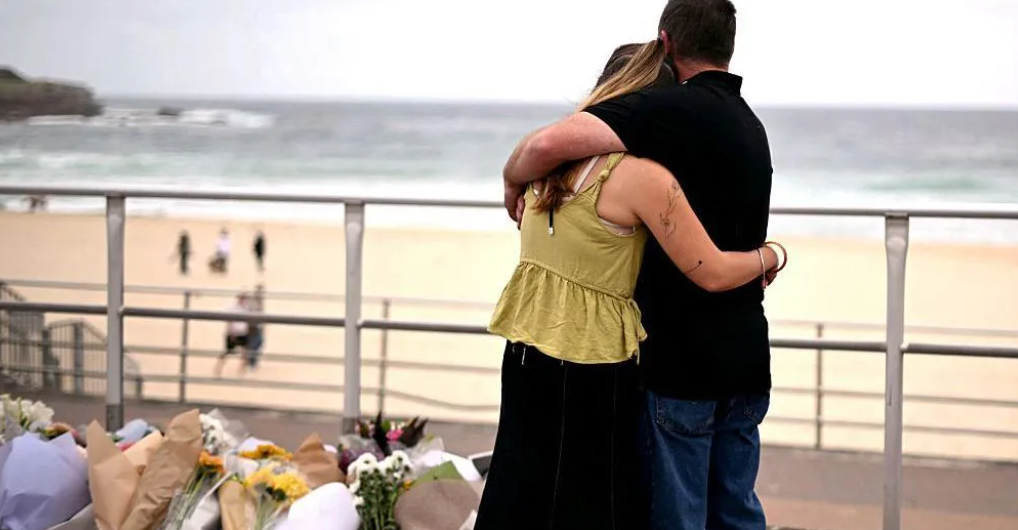
For the Bondi community, the charges represent a step toward justice, though the emotional impact of the tragedy remains profound. Memorials and calls for reform continue as families seek answers and assurances that lessons will be learned to prevent future attacks.