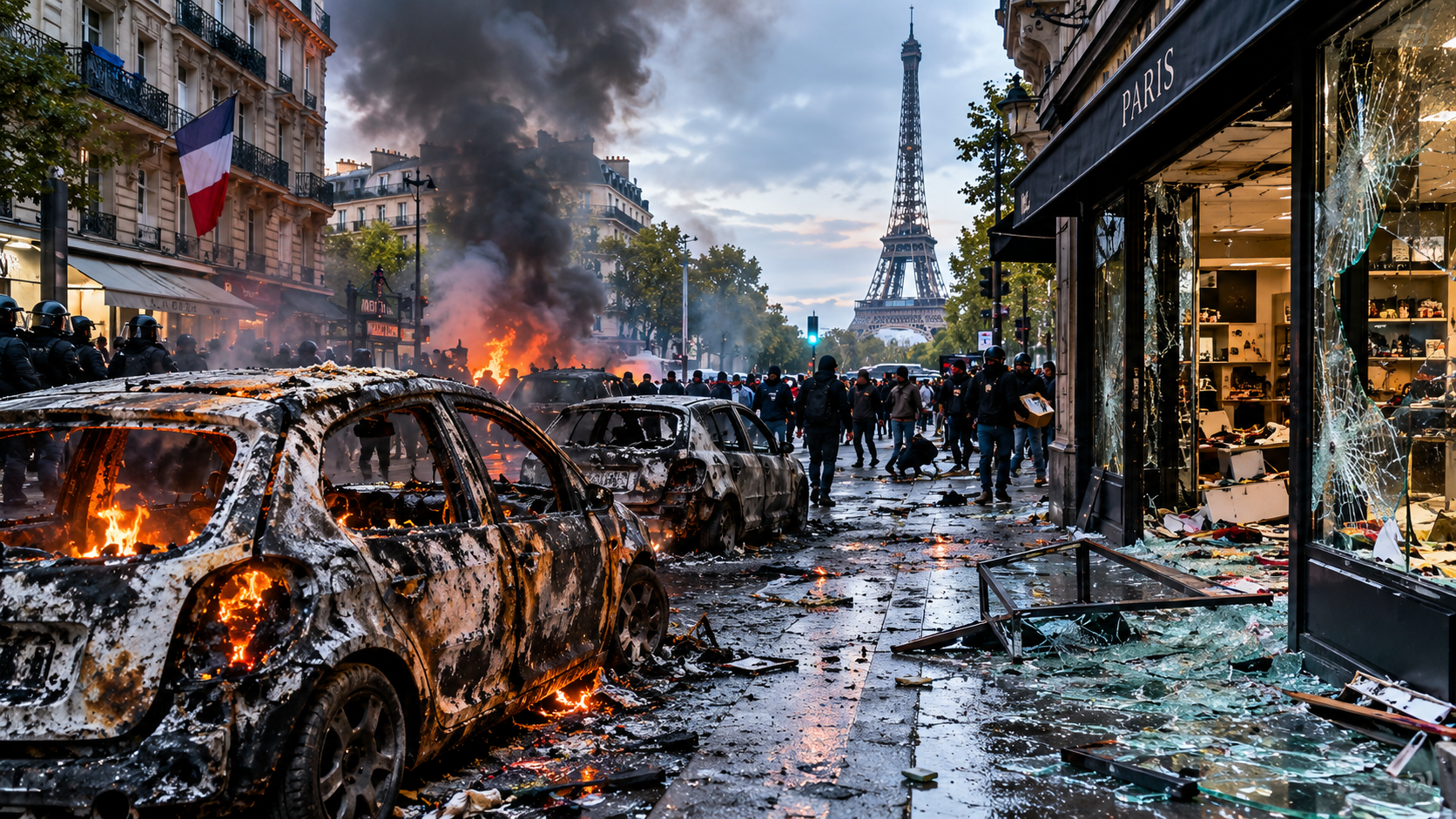
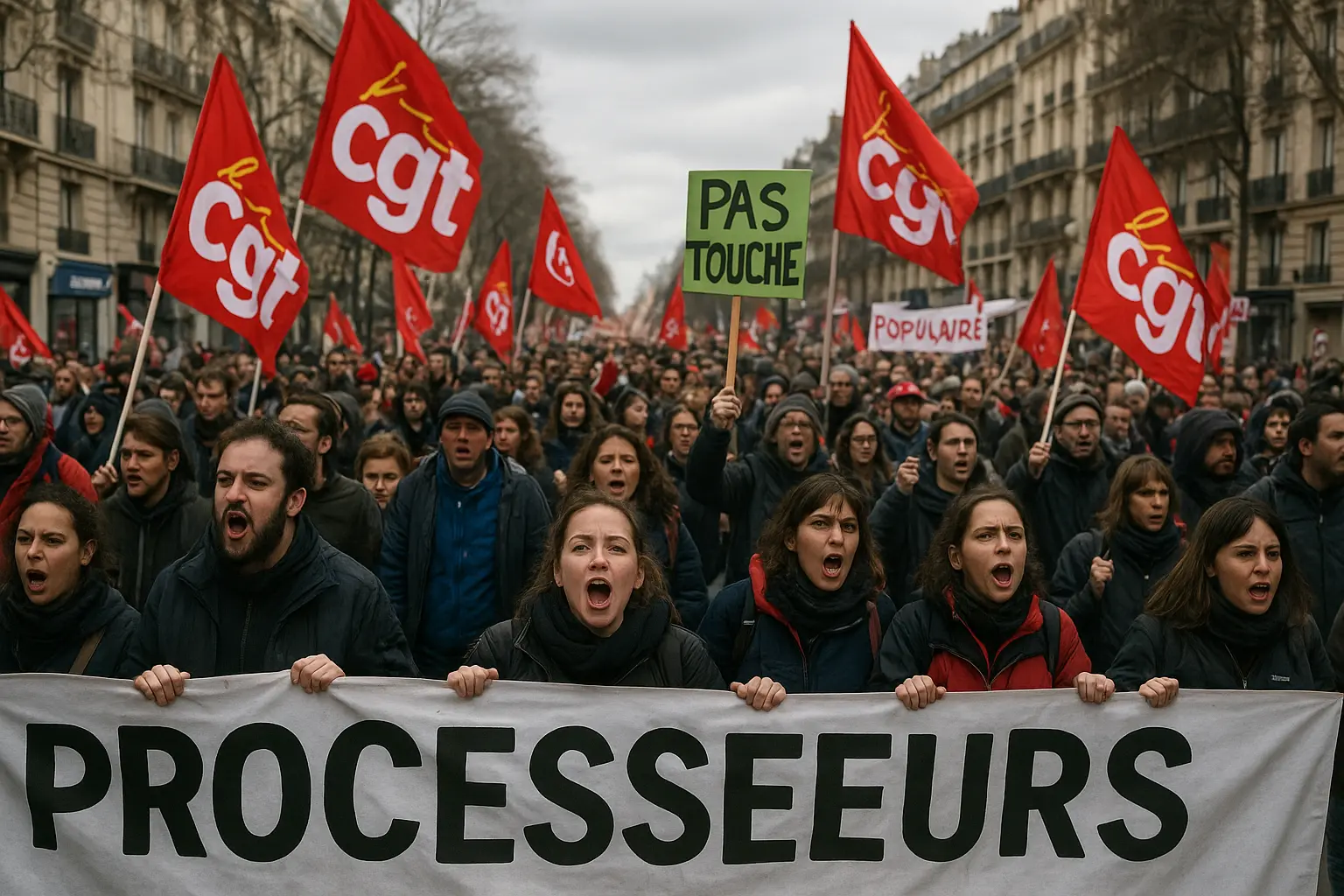
France witnessed fresh waves of protests on Tuesday as the country’s newly appointed Prime Minister officially took office, signaling a turbulent start to the government’s new chapter. The demonstrations, which broke out in Paris and several other major cities, reflect deepening public dissatisfaction with government policies and broader social issues.
Thousands of protesters, including trade union members, students, and activists, took to the streets carrying banners and chanting slogans against what they see as “out of touch leadership.” Many of the grievances echo long-standing frustrations over economic inequality, rising living costs, and the government’s handling of labor reforms.
The protests were largely peaceful, though minor clashes were reported between demonstrators and police near Place de la République in Paris. Authorities deployed additional security forces to manage the unrest, while public transport services were disrupted in several areas.
The new Prime Minister, who was appointed by President Emmanuel Macron just days earlier, faces the daunting task of restoring public trust in a climate of growing discontent. While delivering his first speech in office, he called for “dialogue and unity,” pledging to prioritize social justice, employment opportunities, and sustainable economic reforms.
However, many protesters remain skeptical. “Every new Prime Minister promises change, but nothing improves for ordinary people,” said a 34-year-old teacher from Lyon who joined the rallies. “We are tired of symbolic speeches; we want real action on wages, housing, and healthcare.”
Opposition parties have also seized the moment to criticize the government’s direction. Left-wing leaders accused the administration of ignoring working-class struggles, while far-right groups framed the protests as evidence of failed leadership. The political polarization suggests that the new PM’s term will be marked by fierce debates in parliament as well as on the streets.
Trade unions announced plans for further strikes in the coming weeks, particularly targeting the transportation and education sectors. Analysts warn that prolonged protests could weaken the Prime Minister’s ability to pass reforms and undermine President Macron’s broader agenda.
Despite the unrest, some observers view the protests as an opportunity for the government to engage more meaningfully with citizens. Political analysts argue that addressing demands for fairer wages, improved welfare systems, and greater transparency could help ease tensions and rebuild confidence.
For now, France remains on edge as its new Prime Minister begins his tenure under the shadow of public discontent. Whether the government can bridge the widening gap between political leadership and ordinary citizens will determine not only the success of the new administration but also the stability of the country in the months ahead.